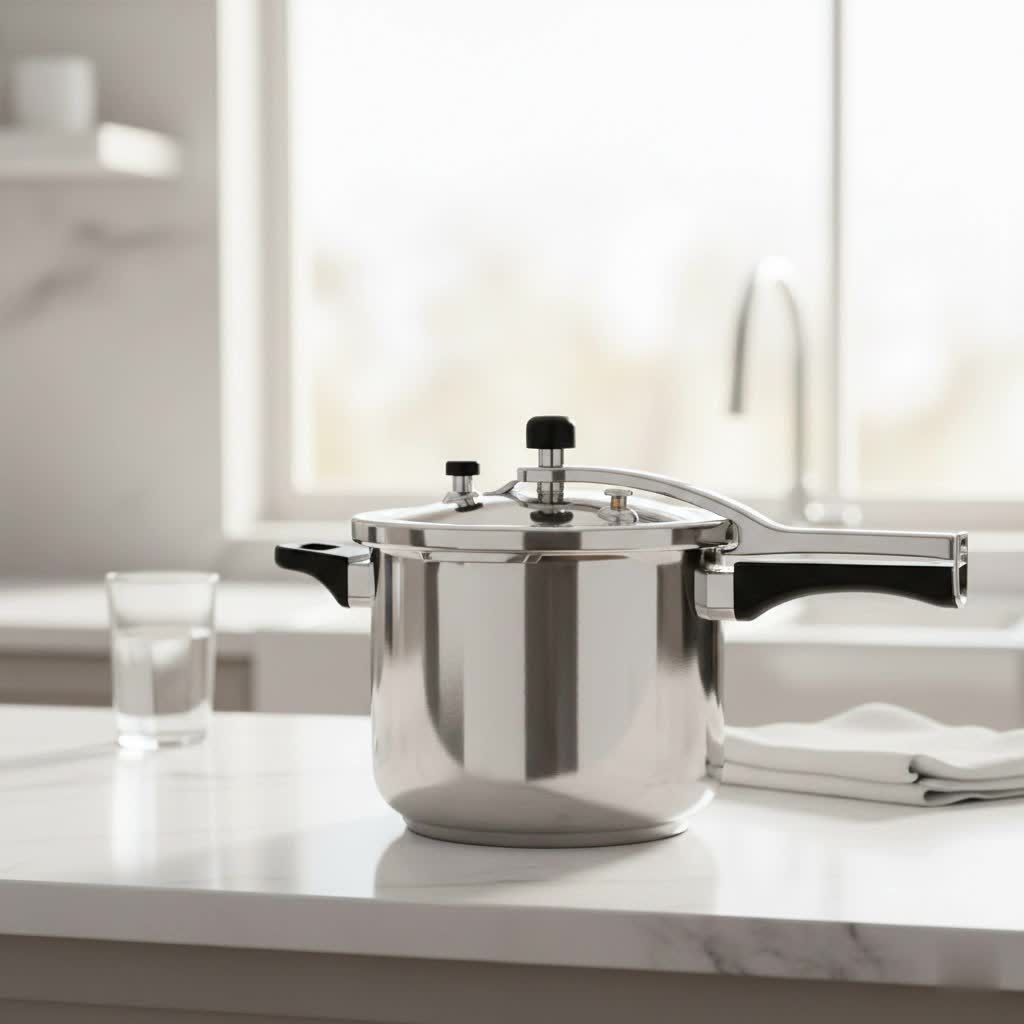
As an experienced technician with over a decade immersed in the world of pressure cookers, I’ve seen hundreds of models and countless recipes. My journey has shown me the true potential of these incredible kitchen tools, especially when it comes to crafting a show-stopping turkey. Forget dry, bland birds; the pressure cooker is your secret weapon for a turkey that’s not only incredibly moist and tender but also surprisingly fast to prepare.
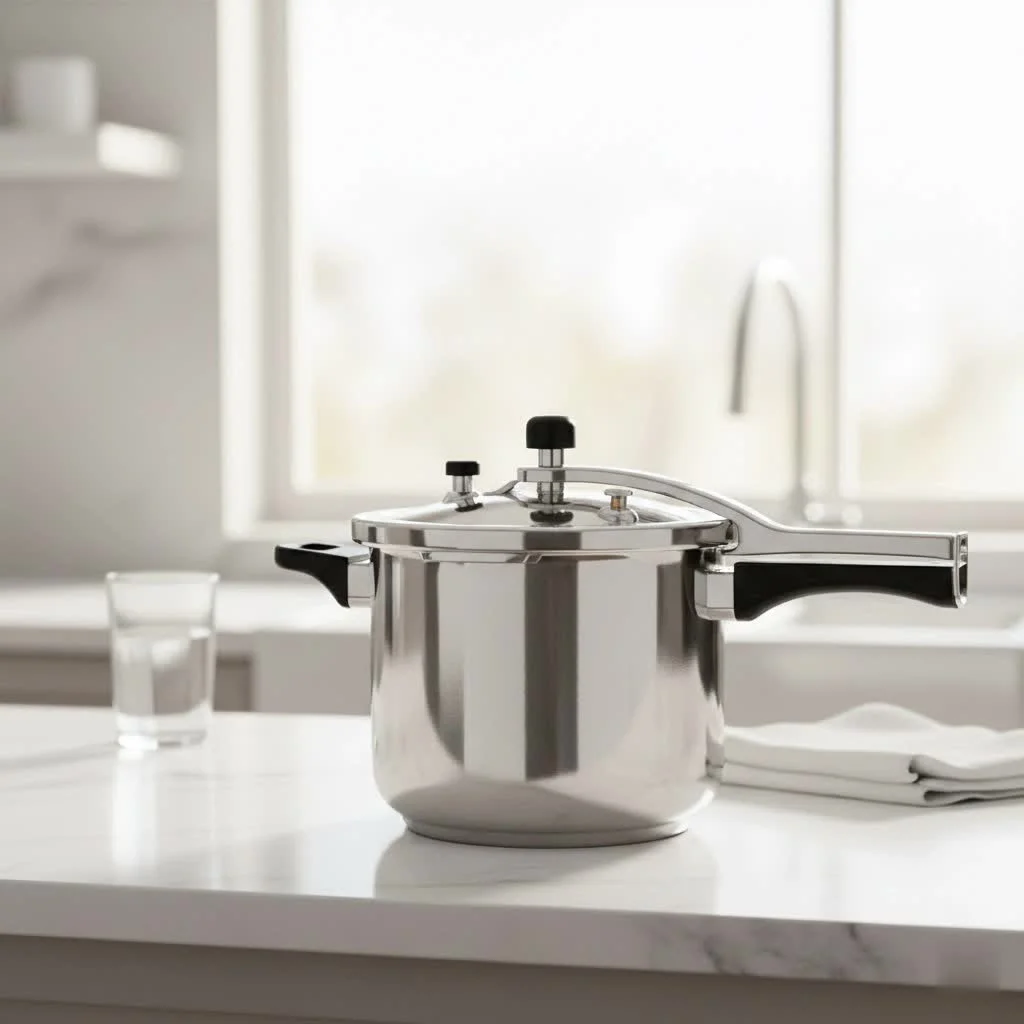
Pressure cooking revolutionizes the way you approach holiday meals or any special occasion, transforming what can often be a daunting task into a manageable and enjoyable culinary adventure. This guide will walk you through everything you need to know to achieve a perfect pressure cooker turkey, from understanding its benefits to mastering cooking techniques and even getting that coveted crispy skin. For browse all pressure cookers articles on this site.
What is a Pressure Cooker, and Why Use It for Turkey?
A pressure cooker is a sealed pot that cooks food at higher temperatures and pressures than traditional methods. This elevated pressure raises the boiling point of water, creating superheated steam that cooks food much faster while locking in moisture and flavor. For turkey, this means a significantly reduced cooking time and a remarkably juicy result, often surpassing oven-roasted alternatives.
The primary benefits of using a pressure cooker for turkey include substantial time savings, especially crucial during busy holidays. Moreover, the sealed environment of a pressure cooker ensures that moisture doesn’t escape, leading to an exceptionally tender and succulent turkey every time. The process also creates a rich, flavorful broth that can be used for gravy or soup, adding another layer of deliciousness to your meal.
Essential Considerations When Pressure Cooking Turkey
Before you begin, understanding a few key criteria will ensure your pressure cooker turkey experience is a success.
Turkey Size and Pressure Cooker Capacity
The size of your turkey is paramount. A 6-quart Instant Pot or electric pressure cooker can typically accommodate a 6-pound turkey or turkey breast. For larger birds, around 7-9 pounds, an 8-quart pressure cooker is recommended. If you have a larger turkey, you might need to deconstruct it by removing wings or even breaking legs to ensure it fits comfortably and cooks evenly. Remember, a whole, unstuffed turkey between 8-9 pounds is ideal for consistent results in most 8-quart models.
Cooking Times: The Golden Rule
A common guideline for pressure cooking turkey is approximately 6 minutes per pound for a whole, unstuffed bird. However, this can vary slightly based on your specific pressure cooker model and whether you are cooking a whole turkey or just a breast.
- Whole Turkey: For an 8-pound turkey, about 48 minutes at high pressure is a good starting point. A 9-pound turkey might need closer to 54-57 minutes. Some recipes suggest 60 minutes for an 8-9 lb turkey.
- Turkey Breast: A 7-pound turkey breast typically cooks in about 35 minutes. For smaller breasts, ranging from 1.5 to 4.5 pounds, cooking times can be between 10 to 25 minutes.
Always ensure the internal temperature reaches 165°F (74°C) using a meat thermometer inserted into the thickest part of the thigh or breast, avoiding bones.
Pressure Release Method: Natural vs. Quick
|
Our Picks for the Best Pressure Cooker in 2026
As an Amazon Associate I earn from qualifying purchases.
|
||
| Num | Product | Action |
|---|---|---|
| 1 | Presto 01362 6-Quart Stainless Steel Pressure Cooker |

|
| 2 | Instant Pot Duo 7-in-1 Electric Pressure Cooker, Slow Cooker, Rice, Steamer, Sauté, Yogurt Maker, Warmer & Sterilizer, Includes App With Over 800 Recipes, Stainless Steel, 6 Quart |
|
| 3 | COSORI Pressure Cooker 6QT, Stainless Steel, 9-in-1 Multi Cooker, 12 Safety Features, Ceramic Inner Pot, Rice, Slow Cook, Sous Vide, Saute, 1100W |
|
| 4 | Barton Pressure Canner Release Valve Aluminum Canning Pot Cooker Pot Stove Top Instant Fast Cooking Pot Stewing Locking System (8 Quarts) |
|
| 5 | 3-In-1 Stainless Steel Pressure Cooker 8 QT: [Save 70% Time] [3 PSI Settings], One-Hand Locking, Induction Compatible, Glass Lid & Steamer Rack Included, Olla de Presion |
|
| 6 | 18/8 Stainless Steel Pressure Cooker 8 Qt, [One-Hand Locking] Pressure Cooker,[3-In-1] Olla de Presion, Induction,Gas Stovetop Compatible, Includes Glass Lid & Steamer Rack |
|
| 7 | Presto 01264 6-Quart Aluminum Pressure Cooker, Silver |
|
| 8 | Instant Pot Duo 7-in-1 Mini Electric Pressure Cooker, Slow Rice Cooker, Steamer, Sauté, Yogurt Maker, Warmer & Sterilizer, Includes Free App with over 1900 Recipes, Stainless Steel, 3 Quart |
|
| 9 | Instant Pot Duo 7-in-1 Electric Pressure Cooker, Slow Cooker, Rice Cooker, Steamer, Sauté, Yogurt Maker, Warmer & Sterilizer, Includes App with Over 800 Recipes, Stainless Steel, 8 Quart |
|
| 10 | Fullwill 9-in-1 Electric Pressure Cooker(2025 Upgraded), 12 Presets Instant Multi Cooker, Olla de Presion Nonstick Pot 6 Quarts |
|
For turkey, a natural pressure release (NPR) is generally recommended. This means allowing the pressure to dissipate on its own, which can take around 10-40 minutes depending on the size of your pot and turkey. NPR helps the turkey remain exceptionally juicy as it allows the meat to rest and reabsorb juices slowly. While natural release is preferred for juiciness, some recipes may call for a combination or a quick release for specific turkey parts.
Brining and Seasoning for Maximum Flavor
Brining, either wet or dry, is a fantastic way to enhance the turkey’s flavor and moisture content, although the pressure cooker itself helps retain moisture. A simple brine can involve garlic, kosher salt, and water, allowing the turkey to soak overnight or for at least 5 hours in the refrigerator.
For seasoning, a blend of salt, pepper, paprika, and herbs like thyme, rosemary, or sage works wonderfully. You can also incorporate aromatics such as sliced onions, garlic, and lemon into the pot with water or broth to infuse additional flavor into the turkey and create a rich cooking liquid. Some recipes suggest adding a teaspoon of liquid smoke for a subtle roasted flavor.
Achieving Crispy Skin (The Broiler Method)
One limitation of pressure cooking is that it doesn’t brown or crisp the skin. To get that desirable golden, crispy skin, you’ll need an extra step.
“The pressure cooker delivers unmatched tenderness, but for that irresistible golden-brown skin, a quick finish under the broiler is essential.” – Admin, Reviewmylp.com, Pressure Cooker Expert
After the turkey is cooked in the pressure cooker and the pressure has released, carefully transfer it to a baking sheet. You can baste it with some of the pan drippings or a little oil. Broil on high for 5-15 minutes, watching closely to prevent burning, until the skin reaches your desired crispiness. If you have an Instant Pot Duo Crisp or a similar model with an air fryer lid, you can use that function to crisp the skin directly in the pot.
Step-by-Step Guide to Pressure Cooker Turkey
Here’s a general guide for cooking a whole turkey in an 8-quart electric pressure cooker:
-
Preparation:
- Thaw your turkey completely and remove giblets from the cavity.
- Pat the turkey dry with paper towels.
- Season generously inside and out with your preferred spices (salt, pepper, poultry seasoning). Consider rubbing with olive oil for a richer exterior.
- Place half an onion and a clove of garlic inside the turkey cavity for added aroma.
-
Aromatics and Liquid:
- In the bottom of your pressure cooker, place sliced onions, garlic, celery, and herbs like thyme or bay leaf.
- Add 1/2 to 1 cup of water or chicken broth. The turkey will release a significant amount of its own liquid, so a little goes a long way.
- Position the trivet on top of the aromatics.
-
Pressure Cooking:
- Carefully place the seasoned turkey on the trivet, breast side up. Ensure the turkey fits without touching the lid too much. For larger birds, you may need to tuck or break legs to fit.
- Secure the lid and set the valve to “Sealing.”
- Cook on “Manual” or “Pressure Cook” (High Pressure) for 6 minutes per pound of turkey. For example, an 8-pound turkey would cook for 48 minutes.
- Once the cooking cycle is complete, allow a natural pressure release (NPR) for 10-40 minutes, until the float valve drops.
-
Crisping and Resting:
- Once the pressure has fully released, carefully remove the lid.
- If using an air fryer lid, switch it out and broil for 5-10 minutes until the skin is golden and crispy.
- If using an oven, carefully transfer the turkey to a baking sheet and broil on high for 10-15 minutes, rotating as needed for even browning.
- Allow the turkey to rest for 15-20 minutes before carving. This resting period is crucial for the juices to redistribute, ensuring maximum tenderness.
Cooking Turkey Breast in a Pressure Cooker
Cooking turkey breast in a pressure cooker is even quicker and perfect for smaller gatherings or meal prep.
- Preparation: Season a boneless or bone-in turkey breast with your desired rub.
- Liquid: Add about 1 cup of chicken broth or water to the pressure cooker. Place a trivet at the bottom.
- Cooking Time: For a 3.5 lb turkey breast, cook for approximately 25 minutes on high pressure. For a 6-7 lb breast, 25-30 minutes, followed by a natural pressure release for 10 minutes. Always check for an internal temperature of 165°F (74°C).
- Crispy Skin: If desired, transfer to the oven and broil after pressure cooking.
Maximizing Your Pressure Cooker Turkey Experience
- Don’t Overcrowd: Ensure your turkey fits comfortably in the pressure cooker. An overcrowded pot can lead to uneven cooking.
- Verify Doneness: Always use a meat thermometer. The visual “pop-up” indicators are not always reliable.
- Use the Drippings: The liquid left in the pot after cooking is incredibly flavorful. Use it as a base for gravy or save it for a delicious turkey soup.
- Avoid Stuffing: Cooking stuffing inside the turkey in a pressure cooker can prolong cooking times and make it difficult to ensure both the turkey and stuffing reach safe temperatures simultaneously. Cook your stuffing separately for best results.
Buying Guide: Choosing the Right Pressure Cooker
When selecting a pressure cooker, consider these factors:
- Capacity: For turkey, an 8-quart (or larger) model is ideal for whole birds, while a 6-quart is suitable for turkey breasts.
- Type: Electric pressure cookers (like Instant Pots) offer convenience with pre-set programs, while stovetop models can reach higher pressures and often cook faster.
- Safety Features: Look for multiple safety mechanisms, including a lid lock, pressure indicator, and automatic pressure release.
- Brand Reputation: Trusted brands often provide better durability and customer support.
Conclusion
The pressure cooker is an invaluable tool for cooking turkey, delivering exceptional results in a fraction of the time. By understanding the principles of pressure cooking, mastering the techniques, and paying attention to detail, you can consistently produce a turkey that is incredibly moist, flavorful, and a true centerpiece for any meal. Say goodbye to dry turkey and hello to a culinary triumph that will impress your family and friends.
Are you ready to transform your turkey-cooking game with the power of the pressure cooker?
Frequently Asked Questions
Can I cook a frozen turkey in a pressure cooker?
No, it is generally not recommended to cook a frozen turkey in a pressure cooker. Most store-bought turkeys contain a giblet bag inside the cavity that must be removed before cooking, which requires the turkey to be fully defrosted. Cooking a frozen turkey also makes it difficult to achieve even cooking and safe internal temperatures.
How do I know if my turkey is fully cooked in the pressure cooker?
Always use a meat thermometer inserted into the thickest part of the turkey breast and thigh, avoiding bones. The turkey is safely cooked when it reaches an internal temperature of 165°F (74°C).
Can I make gravy directly in the pressure cooker after cooking the turkey?
Yes! The flavorful liquid left in the bottom of the pressure cooker after cooking the turkey is excellent for making gravy. You can remove the turkey and any large aromatics, then use the “Sauté” function to thicken the liquid with a cornstarch slurry or flour to create a rich gravy.
Cooking gear we tested in our own kitchens
Free PDF — preheat times measured on 10 popular air fryers.
