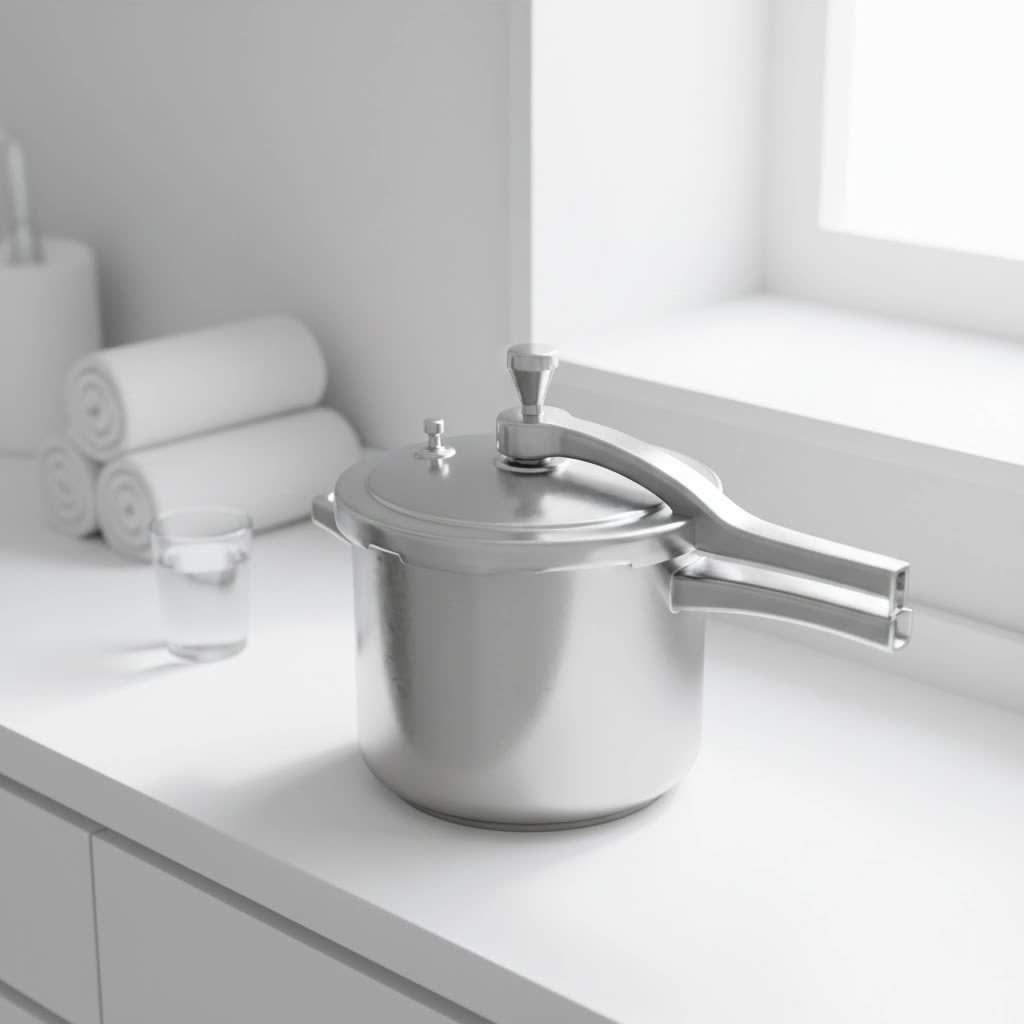
Are you tired of spending hours in the kitchen preparing meals for your growing family, batch cooking for the week, or hosting dinner parties? A large pressure cooker could be the transformative appliance you need. This powerful kitchen tool significantly cuts down cooking times, locks in nutrients, and deepens flavors, making it indispensable for anyone serious about efficient and delicious cooking. If you’re looking to elevate your culinary game and reclaim your time, understanding the nuances of large pressure cookers is your first step. This guide will walk you through everything you need to know to choose the perfect large pressure cooker for your kitchen.
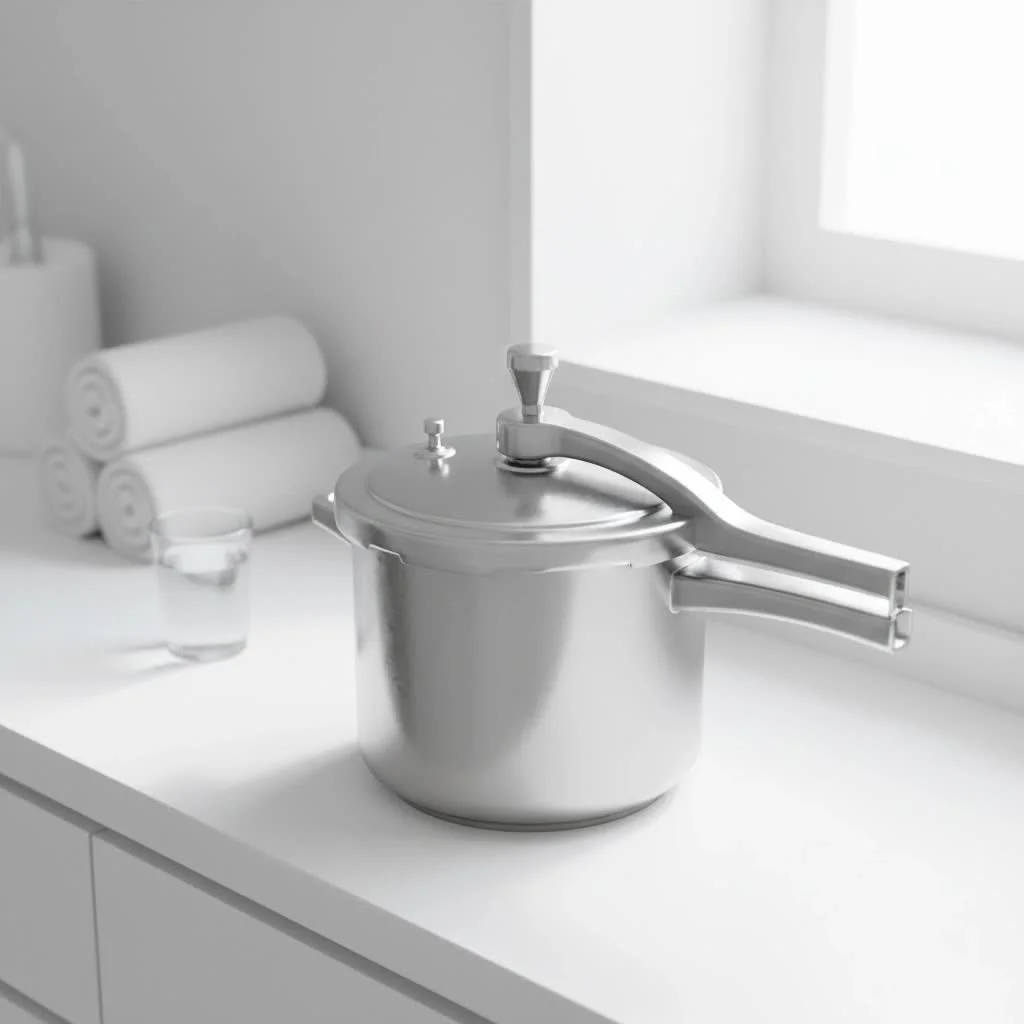
What is a Pressure Cooker and Why Go Large?
A pressure cooker is an airtight pot that cooks food under high pressure and steam. By sealing in steam, the internal temperature rises significantly above the boiling point of water, dramatically speeding up the cooking process. This method not only saves energy but also helps to retain vitamins, minerals, and the natural flavors of your ingredients.
For those with substantial cooking needs, opting for a large pressure cooker offers distinct advantages. Imagine effortlessly preparing hearty stews, fall-off-the-bone roasts, or enormous batches of beans in a fraction of the time. These larger units are perfectly suited for:
- Large Families: Easily cook enough for several servings, accommodating everyone’s appetite.
- Batch Cooking & Meal Prep: Prepare meals for the entire week or freeze portions for future convenience.
- Canning & Preserving: Essential for safe and efficient home canning of low-acid foods.
- Entertaining: Confidently feed guests without feeling overwhelmed by long cooking times.
You’ll generally find two main types: stovetop models, which are manually operated on a burner, and electric models, often called multi-cookers, which offer automated, pre-programmed settings.
Key Criteria for Choosing the Best Large Pressure Cooker
Selecting the right large pressure cooker involves considering several crucial factors to ensure it meets your specific culinary demands and kitchen setup.
Capacity
When it comes to large pressure cookers, capacity is king. What’s considered “large” can vary, but generally, models suitable for more than 4-6 people start from 5 liters (approximately 5.3 quarts) and go upwards.
- 5-7.5 Liters (5.3-7.9 Quarts): Ideal for medium to large families (4-6 members) and regular batch cooking. These sizes are versatile for most daily meals.
- 8-12 Liters (8.4-12.7 Quarts): Excellent for very large families, frequent entertaining, or making significant quantities of stock and broth.
- 16-23 Quarts (15-21.7 Liters): Primarily designed for serious home canners, these stovetop giants can accommodate multiple canning jars and handle the biggest cooking tasks.
Material
|
Our Picks for the Best Pressure Cooker in 2026
As an Amazon Associate I earn from qualifying purchases.
|
||
| Num | Product | Action |
|---|---|---|
| 1 | Fullwill 9-in-1 Electric Pressure Cooker(2025 Upgraded), 12 Presets Instant Multi Cooker, Olla de Presion Nonstick Pot 6 Quarts |

|
| 2 | Presto 01362 6-Quart Stainless Steel Pressure Cooker |
|
| 3 | 3-In-1 Stainless Steel Pressure Cooker 8 QT: [Save 70% Time] [3 PSI Settings], One-Hand Locking, Induction Compatible, Glass Lid & Steamer Rack Included, Olla de Presion |
|
| 4 | Barton Pressure Canner Release Valve Aluminum Canning Pot Cooker Pot Stove Top Instant Fast Cooking Pot Stewing Locking System (8 Quarts) |
|
| 5 | Instant Pot Duo 7-in-1 Mini Electric Pressure Cooker, Slow Rice Cooker, Steamer, Sauté, Yogurt Maker, Warmer & Sterilizer, Includes Free App with over 1900 Recipes, Stainless Steel, 3 Quart |
|
| 6 | Presto 01264 6-Quart Aluminum Pressure Cooker, Silver |
|
| 7 | 18/8 Stainless Steel Pressure Cooker 8 Qt, [One-Hand Locking] Pressure Cooker,[3-In-1] Olla de Presion, Induction,Gas Stovetop Compatible, Includes Glass Lid & Steamer Rack |
|
| 8 | COSORI Pressure Cooker 6QT, Stainless Steel, 9-in-1 Multi Cooker, 12 Safety Features, Ceramic Inner Pot, Rice, Slow Cook, Sous Vide, Saute, 1100W |
|
| 9 | Instant Pot Duo 7-in-1 Electric Pressure Cooker, Slow Cooker, Rice Cooker, Steamer, Sauté, Yogurt Maker, Warmer & Sterilizer, Includes App with Over 800 Recipes, Stainless Steel, 8 Quart |
|
| 10 | Instant Pot Duo 7-in-1 Electric Pressure Cooker, Slow Cooker, Rice, Steamer, Sauté, Yogurt Maker, Warmer & Sterilizer, Includes App With Over 800 Recipes, Stainless Steel, 6 Quart |
|
The material of your pressure cooker impacts its durability, heat distribution, and ease of maintenance.
- Stainless Steel: A popular choice for its durability, resistance to corrosion, and non-reactive nature, meaning it won’t leach chemicals into your food or react with acidic ingredients. Stainless steel models often feature a thick, encapsulated base for even heat distribution and are usually induction-compatible. They are robust and can maintain an aesthetic appeal for years.
- Aluminum: Lighter and more affordable than stainless steel, aluminum heats up quickly and efficiently. However, untreated aluminum can react with acidic foods, potentially affecting flavor and appearance. Look for hard-anodized aluminum for improved durability, scratch resistance, and a non-reactive surface.
- Tri-Ply Stainless Steel: This advanced material combines the benefits of stainless steel with an aluminum core, offering superior heat conductivity and even cooking while retaining the non-reactive properties and durability of stainless steel.
Safety Features
Modern large pressure cookers are engineered with multiple safety mechanisms to prevent accidents, a significant improvement over older designs. Prioritize models with:
- Automatic Pressure Release Valves: To vent excess steam and prevent over-pressurization.
- Lid-Locking Mechanisms: Ensuring the lid cannot be opened until the internal pressure has safely dissipated.
- Pressure Indicators: Visual cues that show when the cooker is pressurized.
- Gasket Release Systems: Designed to release pressure through a specific point if other safety features fail.
- Temperature Sensors (Electric Models): To prevent overheating and dry-boiling.
Handles
Given the substantial weight of a large pressure cooker when full, ergonomic and robust handles are paramount.
- Look for models with two sturdy, heat-protected side handles for easier and safer lifting, especially when transferring the pot from the stovetop or countertop.
- Some stovetop models may offer folding handles for more compact storage, a practical feature for larger units.
Cooktop Compatibility
Ensure your chosen pressure cooker is compatible with your kitchen’s heat source.
- Stovetop Models: Check for compatibility with gas, electric, ceramic, and induction cooktops if you have a modern kitchen or plan to upgrade.
- Electric Models: These are standalone appliances and only require an electrical outlet.
Smart Features & Versatility (for Electric Models)
Electric multi-cookers often come loaded with features that enhance convenience and expand cooking possibilities.
- Pre-programmed Settings: For various dishes like rice, soup, meat, or yogurt.
- Multiple Pressure Settings: Allowing you to cook at low or high pressure for different recipes.
- Different Release Options: Quick, pulse, and natural pressure release.
- Multi-Functions: Such as sauté, slow cook, steam, and even sous vide.
- Smart Features: Some advanced models include Wi-Fi connectivity and app control for guided cooking.
Ease of Cleaning & Maintenance
A pressure cooker should be as easy to clean as it is to use. Look for models with:
- Removable inner pots (often dishwasher-safe).
- Non-stick coatings on the inner pot (for electric models).
- Lid components that are simple to disassemble and clean.
- Consider the availability of replacement parts like gaskets and safety plugs, which require periodic replacement.
Brand Reputation & Warranty
Choose established brands known for quality, reliability, and good customer service. A solid warranty (e.g., 5 years) reflects the manufacturer’s confidence in their product and offers peace of mind.
Stovetop vs. Electric Large Pressure Cookers: A Detailed Comparison
Deciding between a stovetop and an electric large pressure cooker depends largely on your cooking style, kitchen space, and desired level of automation.
| Feature | Stovetop Pressure Cooker | Electric Pressure Cooker (Multi-Cooker) |
|---|---|---|
| Capacity | Can be very large (up to 23 quarts for canning). | Typically up to 14 quarts; 8 quarts is a common large size. |
| Control | Manual pressure regulation, requires monitoring. | Automated, pre-programmed settings, “set and forget.” |
| Versatility | Primarily pressure cooking; some can sauté/sear on burner. | Multiple functions: pressure cook, slow cook, sauté, steam, yogurt, rice. |
| Heat Source | Compatible with gas, electric, induction cooktops. | Self-contained, plugs into an electrical outlet. |
| Speed | Often heats up faster, reaches pressure quickly. | Slower to come to pressure due to internal heating element. |
| Safety | Modern models are safe but require user attention. | Advanced built-in safety features, less prone to user error. |
| Portability | More portable as it doesn’t require an outlet. | Needs an outlet, less portable than stovetop. |
| Cleaning | Pot and lid parts can be more involved. | Inner pot usually removable and often dishwasher-safe. |
| Price | Can range from affordable aluminum to high-end stainless steel. | Varies widely based on features and brand. |
| Ideal For | Experienced cooks, canning, those needing largest capacities. | Beginners, busy individuals, those who value automation and versatility. |
Top Picks: Highly-Rated Large Pressure Cookers
While specific models evolve, certain categories consistently deliver excellent performance for large-scale cooking:
- Best Large Electric Multi-Cooker: Look for 8-quart or larger models from leading brands like Instant Pot. These often excel in ease of use, offer a wide range of pre-programmed functions, and provide consistent results for family meals and batch cooking. Many feature stainless steel inner pots and intuitive digital controls.
- Best Large Stovetop for Everyday Use: Stainless steel models in the 7-12 liter range are fantastic workhorses. Brands known for durable construction and reliable safety features are preferred. They are excellent for fast, high-heat cooking and preparing large quantities of soups, stews, and braises.
- Best Large Pressure Canner: For serious preserving, specialized stovetop pressure canners of 16-23 quarts are essential. These are typically heavy-gauge aluminum or stainless steel, built to withstand the rigors of canning and designed to accommodate numerous jars safely. They often double as large-capacity pressure cookers for massive meals.
Using and Maintaining Your Large Pressure Cooker Safely
Using a large pressure cooker effectively and safely ensures longevity and delicious results.
Safe Operation
- Read the Manual: Always start by thoroughly reading your specific model’s instruction manual.
- Don’t Overfill: Never fill your pressure cooker more than two-thirds full with food and liquid, and only half full for foods that expand (like beans, rice, or grains) or foam (like applesauce). Overfilling can block vents.
- Secure the Lid: Ensure the lid is locked properly and the gasket is correctly seated before starting.
- Monitor Pressure (Stovetop): For stovetop models, learn to regulate heat to maintain the desired pressure once it’s reached.
- Safe Pressure Release: Always follow the manufacturer’s instructions for releasing pressure.
- Natural Release: Allows pressure to decrease slowly on its own (good for foamy foods, meats, stews).
- Quick Release: Manually releasing steam quickly (good for vegetables to prevent overcooking). Be cautious of escaping steam.
- Never Force Open: The lid will only open once the pressure has fully dropped. If it’s still sealed, wait longer.
Cleaning & Storage
- Clean After Every Use: Wash the inner pot, lid, and gasket thoroughly. Food residue can affect sealing and hygiene.
- Inspect Components: Regularly check the gasket, safety valves, and pressure indicators for wear and tear.
- Replace Parts: Gaskets and safety plugs may need annual replacement to ensure optimal performance and safety.
- Proper Storage: Store the lid inverted or slightly ajar on the pot to allow air circulation and prevent the gasket from hardening or developing odors.
Where to Buy and What to Expect in Terms of Price
Large pressure cookers are widely available across various retail channels.
- Brick-and-Mortar Stores: Major appliance retailers, department stores, and specialty kitchen stores often carry a selection of popular models, allowing you to see and feel the product before purchasing.
- Online Retailers: Websites like Amazon, Walmart, Target, and the manufacturers’ own sites offer a vast selection, competitive pricing, and user reviews.
Price points vary significantly based on capacity, material, brand, and features:
- Budget-Friendly (Under $100): Typically smaller large capacity (5-7L) aluminum stovetop models or basic electric multi-cookers.
- Mid-Range ($100-$250): Quality stainless steel stovetop models, 6-8L electric multi-cookers with more features, or entry-level large canners.
- Premium ($250+): Very large stovetop canners (16-23 quarts), high-end stainless steel stovetop pressure cookers, or electric multi-cookers with advanced smart features and expansive functions.
Buying Guide: Expert Advice for Your Large Pressure Cooker Purchase
As a technician with over a decade of experience, I’ve seen countless pressure cookers and understand what truly makes one stand out. Here’s my advice:
- Define Your Needs: Begin by honestly assessing your cooking habits. How many people do you cook for daily? Do you frequently batch cook or can? This will directly guide your capacity requirements. Don’t buy a 23-quart canner if you only cook for two.
- Prioritize Safety: While modern pressure cookers are safe, always opt for models with multiple, clearly articulated safety features. A reliable locking lid and effective pressure release mechanisms are non-negotiable.
- Consider Material and Durability: Stainless steel offers longevity and versatility, especially if you have an induction cooktop. Hard-anodized aluminum is a great alternative for efficient heating and a non-reactive surface. Investing a bit more upfront often saves money and frustration in the long run.
- Handles Matter: For any large unit, the handles are crucial. They should feel solid, comfortable, and adequately insulated to ensure safe handling, particularly when the pot is full and heavy.
- Read User Reviews and Expert Opinions: Beyond brand claims, real-world user experiences and professional reviews provide invaluable insights into a product’s performance, durability, and common issues.
- Check Warranty and Support: A good warranty signifies manufacturer confidence. Knowing that support is available if issues arise offers significant peace of mind.
Conclusion
A large pressure cooker is an investment that can revolutionize your kitchen, offering unparalleled speed, efficiency, and flavor for substantial meals. By carefully considering capacity, material, safety features, and the type (stovetop or electric) that best suits your lifestyle, you can make an informed decision that brings years of culinary satisfaction. Remember to prioritize safety and maintenance to ensure your chosen appliance remains a reliable workhorse. Are you ready to embrace the convenience and delicious results a large pressure cooker brings to your table?
Frequently Asked Questions
How large is a “large” pressure cooker?
A large pressure cooker typically refers to models with capacities ranging from 5 liters (approximately 5.3 quarts) up to 23 quarts (around 21.7 liters). The ideal “large” size depends on your specific needs, such as cooking for a big family, batch cooking, or home canning.
Are large pressure cookers safe to use?
Yes, modern large pressure cookers are designed with multiple safety features, including automatic pressure release valves, lid-locking mechanisms, and pressure indicators. These advancements make them significantly safer and more reliable than older models, provided you follow the manufacturer’s instructions.
Can I use a large pressure cooker for canning?
Yes, very large stovetop pressure cookers, often ranging from 16 to 23 quarts, are specifically designed for safe home canning of low-acid foods like vegetables, meats, and seafood. They can accommodate multiple jars and reach the high temperatures required for effective sterilization.
What is the main difference between a large electric and stovetop pressure cooker?
The primary difference lies in automation and control. Large electric pressure cookers (multi-cookers) offer pre-programmed settings and automated pressure control, making them very user-friendly. Stovetop models, while requiring manual monitoring, often come in much larger capacities and can reach pressure faster.
What material is best for a large pressure cooker?
Stainless steel is often recommended for its durability, non-reactivity, and compatibility with all cooktops, including induction. Hard-anodized aluminum is another excellent choice for its lightweight nature, efficient heating, and scratch resistance, while traditional aluminum offers affordability.
How do I clean a large pressure cooker?
Most large pressure cookers have removable inner pots that can be washed by hand or are dishwasher-safe. Always clean the lid, gasket, and pressure valves thoroughly after each use to prevent residue buildup, which can affect sealing and performance. Consult your manual for specific cleaning instructions.
Cooking gear we tested in our own kitchens
Free PDF — preheat times measured on 10 popular air fryers.
