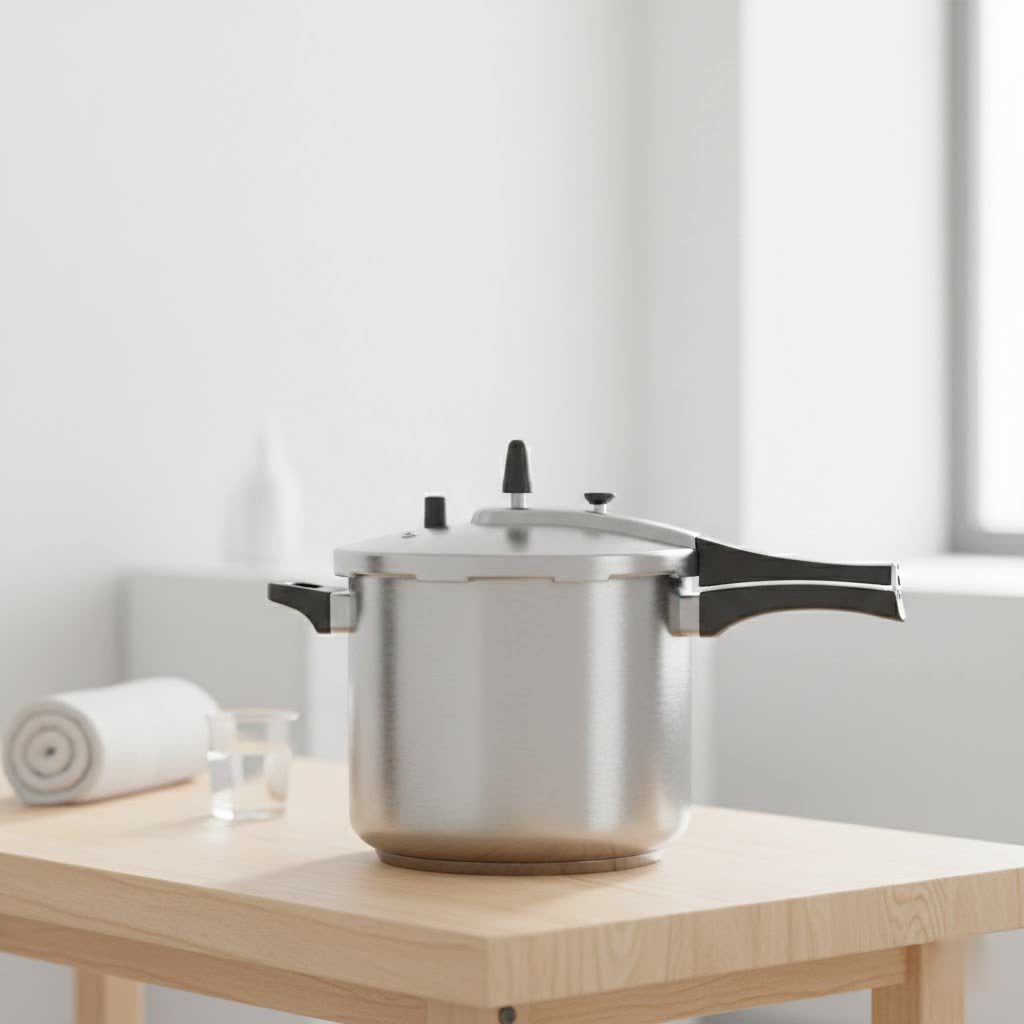
Embarking on the journey of home food preservation can be incredibly rewarding, offering a sustainable way to enjoy fresh flavors year-round and ensure food security for your family. However, when it comes to low-acid foods, the wrong equipment can turn a healthy endeavor into a serious health risk. This comprehensive guide will demystify the world of pressure canners, clarifying why they are indispensable for safe canning and helping you choose the perfect model to meet your needs.
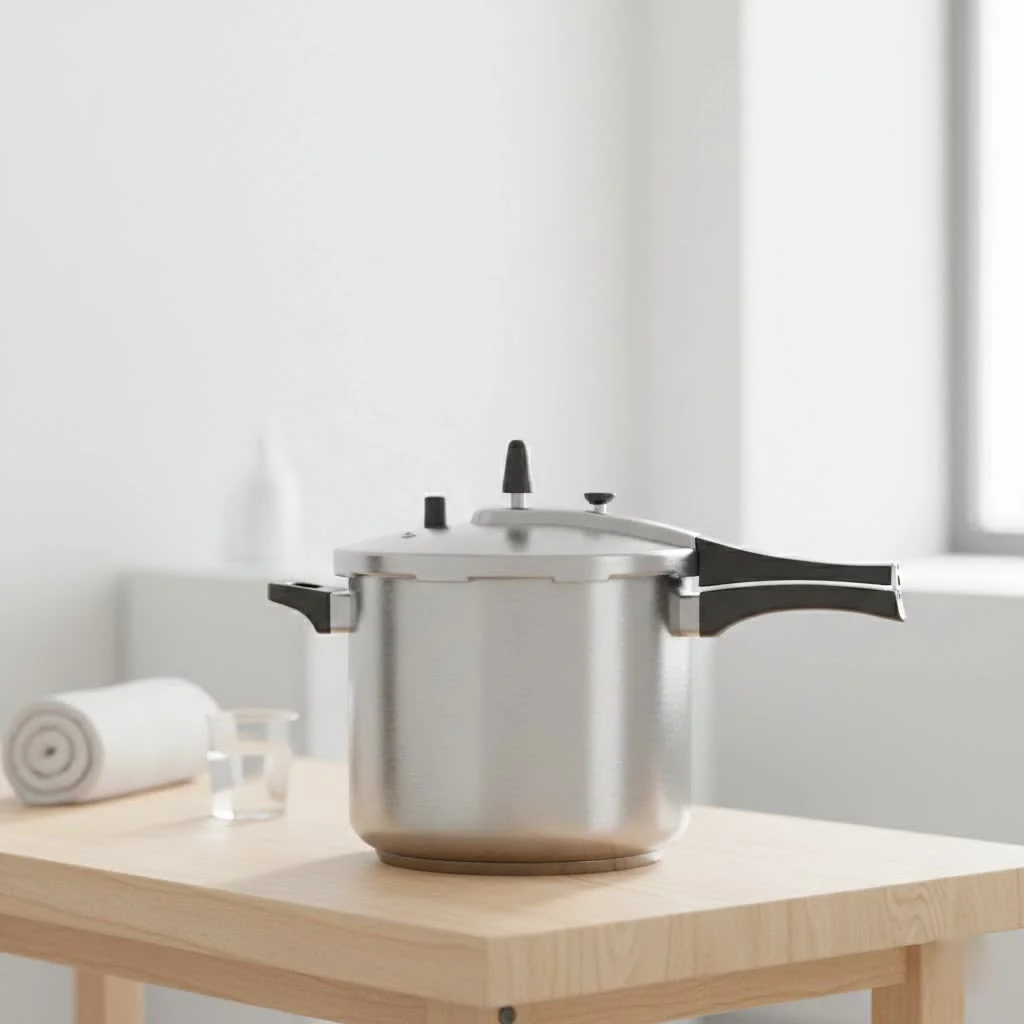
What is a Pressure Canner and Why is it Essential for Canning?
A pressure canner is a specialized, heavy-duty pot designed to reach temperatures significantly higher than the boiling point of water (212°F or 100°C). This elevated temperature, typically around 240°F (116°C), is crucial for safely preserving low-acid foods such as vegetables, meats, poultry, seafood, and mixed recipes. These foods pose a risk of Clostridium botulinum bacteria, which produces a deadly toxin if not destroyed. Boiling water bath canners cannot reach the necessary temperatures to neutralize these spores, making pressure canning the only safe method for these types of foods. For see our pressure cookers recommendations on this site.
The controlled, high-heat environment within a pressure canner ensures that harmful bacteria and their spores are eliminated, allowing you to store your preserved goods at room temperature with confidence. This method saves you time compared to traditional cooking and locks in essential nutrients and flavors.
Pressure Cooker vs. Pressure Canner: The Crucial Distinction
While often confused, a standard kitchen pressure cooker is not safe for home canning low-acid foods. This is a critical safety point that every aspiring canner must understand.
Here’s why they are different and why this distinction matters:
- Size and Capacity: Pressure canners are substantially larger than typical pressure cookers, designed to accommodate at least four quart-sized canning jars upright. [cite: 5~1, 2~2] Smaller pressure cookers cannot hold the volume of jars necessary for tested canning processes.
- Heat-Up and Cool-Down Times: USDA-tested canning recipes rely on specific heat penetration rates, which include the time it takes for the canner to heat up and cool down. Smaller pressure cookers heat and cool much faster, leading to significantly reduced processing times and a high risk of under-processed food where dangerous bacteria can survive. [cite: 5~1, 2~2]
- Pressure Regulation and Accuracy: Pressure canners feature precise pressure regulation mechanisms (weighted or dial gauges) that maintain a steady pressure (5, 10, or 15 PSI) for extended periods. Most standard pressure cookers lack this precise control and monitoring, making it impossible to ensure the internal temperature required for safe canning. [cite: 3, 2~2, 4~4]
- USDA Recommendations: The USDA and the National Center for Home Food Preservation (NCHFP) explicitly state that they do not have tested canning processes for smaller, multi-functional electric pressure cookers or standard stovetop pressure cookers. Always consult the manufacturer’s specific instructions if considering a device for canning, but prioritize USDA-approved methods. [cite: 5~1]
> “Using a pressure cooker for canning is not recommended due to differences in size, heat-up/cool-down rates, and pressure regulation, which can lead to unsafe food.” – National Center for Home Food Preservation
Key Criteria for Choosing the Best Pressure Canner
|
Our Picks for the Best Pressure Cooker in 2026
As an Amazon Associate I earn from qualifying purchases.
|
||
| Num | Product | Action |
|---|---|---|
| 1 | Presto 01264 6-Quart Aluminum Pressure Cooker, Silver |

|
| 2 | Presto 01362 6-Quart Stainless Steel Pressure Cooker |
|
| 3 | Instant Pot Duo 7-in-1 Electric Pressure Cooker, Slow Cooker, Rice, Steamer, Sauté, Yogurt Maker, Warmer & Sterilizer, Includes App With Over 800 Recipes, Stainless Steel, 6 Quart |
|
| 4 | Instant Pot Duo 7-in-1 Mini Electric Pressure Cooker, Slow Rice Cooker, Steamer, Sauté, Yogurt Maker, Warmer & Sterilizer, Includes Free App with over 1900 Recipes, Stainless Steel, 3 Quart |
|
| 5 | Fullwill 9-in-1 Electric Pressure Cooker(2025 Upgraded), 12 Presets Instant Multi Cooker, Olla de Presion Nonstick Pot 6 Quarts |
|
| 6 | Barton Pressure Canner Release Valve Aluminum Canning Pot Cooker Pot Stove Top Instant Fast Cooking Pot Stewing Locking System (8 Quarts) |
|
| 7 | COSORI Pressure Cooker 6QT, Stainless Steel, 9-in-1 Multi Cooker, 12 Safety Features, Ceramic Inner Pot, Rice, Slow Cook, Sous Vide, Saute, 1100W |
|
| 8 | Instant Pot Duo 7-in-1 Electric Pressure Cooker, Slow Cooker, Rice Cooker, Steamer, Sauté, Yogurt Maker, Warmer & Sterilizer, Includes App with Over 800 Recipes, Stainless Steel, 8 Quart |
|
| 9 | 3-In-1 Stainless Steel Pressure Cooker 8 QT: [Save 70% Time] [3 PSI Settings], One-Hand Locking, Induction Compatible, Glass Lid & Steamer Rack Included, Olla de Presion |
|
| 10 | 18/8 Stainless Steel Pressure Cooker 8 Qt, [One-Hand Locking] Pressure Cooker,[3-In-1] Olla de Presion, Induction,Gas Stovetop Compatible, Includes Glass Lid & Steamer Rack |
|
Selecting the right pressure canner is paramount for safety and successful preservation. Consider these factors:
-
Capacity: This is often measured in liquid quarts or the number of quart or pint jars it can hold.
- Smaller Households (7-10 quart jars): A 16-quart canner is a popular choice, fitting comfortably on most stovetops and holding seven quart jars or multiple pint/half-pint jars.
- Larger Households/Batch Canning (18-26 quart jars): 21-quart or 23-quart models are common, allowing for stacking pint jars or processing larger quantities of food.
- Very Large Batches (30+ quart jars): For serious canners, larger models offer maximum efficiency.
-
Material:
- Aluminum: Most common, lightweight, and excellent at conducting heat evenly. Typically more affordable. Requires careful cleaning to prevent discoloration.
- Stainless Steel: More durable and aesthetically pleasing, less prone to discoloration. Often compatible with induction stovetops, though this should be verified with the manufacturer. Tends to be heavier and more expensive.
-
Gauge Type (Pressure Regulation): This dictates how you monitor and maintain pressure.
- Weighted-Gauge Canners: These use a set of weights (usually 5, 10, and 15 pounds) placed over the vent pipe. Pressure is regulated by the jiggling or rocking of the weight. They are often considered more reliable as they don’t require annual testing.
- Dial-Gauge Canners: These feature a gauge with a needle that indicates the internal pressure. While convenient, dial gauges must be tested annually for accuracy by a qualified professional (e.g., your local Cooperative Extension office) to ensure safe processing. Some canners offer both types for dual verification.
-
Safety Features: Modern pressure canners come equipped with multiple safety mechanisms to prevent accidents. Look for:
- Vent Pipe (Steam Vent): Allows air to be exhausted before pressurizing.
- Safety Fuse/Plug: A small rubber plug designed to release excess pressure in an emergency.
- Cover Lock/Interlock: Prevents the lid from being opened while the canner is under pressure.
- Gasket/Sealing Ring: Essential for creating a tight seal. All American canners are notable for their metal-to-metal seal, eliminating the need for a rubber gasket.
-
Stovetop Compatibility: Most stovetop pressure canners work on gas and electric coil burners. If you have a glass-top or induction stove, check the manufacturer’s specifications. Heavy canners can sometimes scratch glass-tops, and not all materials are induction-compatible.
Top Pressure Canners Preferred by Home Canners
Two brands consistently rise to the top for their reliability and performance in the pressure canning community:
-
Presto Pressure Canners:
- Pros: Generally more affordable and lighter in weight, making them easier to maneuver. Widely available in various sizes (e.g., 16-quart, 23-quart). Known for excellent customer service and helpful instructional videos. Many models come as both a canner and a large pressure cooker for daily meals. [cite: 1~1]
- Cons: Most popular models are aluminum, which can discolor. Dial gauges require annual testing.
- Popular Models: Presto 16-Quart Aluminum Pressure Canner and Cooker, Presto 23-Quart Pressure Canner and Cooker. The Presto Precise Digital Pressure Canner is also gaining popularity as an electric option. [cite: 1~1]
-
All American Pressure Canners:
- Pros: Extremely durable, heavy-duty cast aluminum construction. Features a unique metal-to-metal sealing system that doesn’t require a rubber gasket, often lasting a lifetime. Highly respected for robust build quality. [cite: 2~2, 4~4]
- Cons: Significantly heavier and more expensive. Can be too heavy for some glass-top stoves. Limited availability compared to Presto.
- Popular Models: All American 915 (15.5-quart), 921 (21.5-quart), and 925 (25-quart). [cite: 1~1, 5~2]
Other notable brands include Mirro and T-fal, which offer more budget-friendly options, though always verify their pressure capabilities (e.g., some may not reach the full 15 PSI required for higher altitudes). [cite: 3~3, 5~2]
How to Use and Maintain Your Pressure Canner Safely
Safe pressure canning requires attention to detail and adherence to tested guidelines.
-
Pre-Canning Preparation:
- Always read your canner’s instruction manual thoroughly before first use and annually.
- Inspect your canner: Clean the lid gasket, vent pipe, and pressure relief valve. Ensure the vent pipe is clear.
- Test dial gauges annually for accuracy.
- Use approved canning jars (Mason jars) and new lids. Bands can be reused if not rusty or bent.
- Ensure your recipe is from a tested source, such as the USDA, NCHFP, or Ball Blue Book.
-
Using Your Pressure Canner:
- Prepare Jars and Food: Fill clean, warm jars with your prepared food, leaving the recommended headspace (space between food and lid). Remove air bubbles with a non-metallic tool and wipe jar rims clean. [cite: 2~2]
- Lid and Band: Center a new, warm lid on each jar and apply the screw band finger-tight. Do not overtighten. [cite: 2~2]
- Load Canner: Place the jar rack in the bottom of the pressure canner. Add 2-3 inches of water (or as directed by your manual). Carefully place jars on the rack, ensuring they do not touch each other or the canner walls.
- Seal and Vent: Secure the canner lid. Turn the heat to high. Once a steady stream of steam escapes the vent pipe, allow it to vent continuously for 10 minutes. This exhausts all air from the canner, crucial for reaching the correct internal temperature. [cite: 1~1]
- Pressurize: After venting, place the weighted gauge or close the petcock/vent to allow pressure to build.
- Process: Once the target pressure is reached (e.g., 10 or 15 PSI), start your processing time, adjusting for altitude. Maintain steady pressure by adjusting heat. Do not let pressure fluctuate.
- Cool Down: When processing is complete, turn off the heat and allow the canner to cool naturally until the pressure gauge returns to zero. Do NOT rush this process by opening the vent or cooling with water.
- Open Canner: Once the gauge reads zero, wait for an additional 2 minutes before carefully removing the weighted gauge or opening the petcock. After another 10 minutes, unlock and remove the lid, tilting it away from your face to avoid steam. [cite: 2~2]
- Cool Jars: Using a jar lifter, move jars to a towel-lined surface, leaving space between them. Let them cool undisturbed for 12-24 hours. Check seals before storing.
-
Cleaning and Storage:
- After each use, clean the canner body, lid, gasket (if applicable), and all parts according to the manufacturer’s instructions.
- Store the canner with the lid inverted or slightly ajar to prevent odors and allow air circulation, protecting the gasket.
- Keep vent pipes clear and store weights/gauges carefully.
Where to Purchase and Price Expectations
Pressure canners are an investment, but their longevity and the safety they provide make them worthwhile.
- Retailers: You can find pressure canners at major department stores, home goods retailers, hardware stores, and online marketplaces. Specialized canning supply stores may offer a wider selection.
- Price Ranges:
- Budget-friendly ($100-$150): Typically smaller, aluminum stovetop models like some Presto or Mirro options.
- Mid-range ($150-$300): Larger aluminum models, some stainless steel options, and entry-level digital canners.
- Premium ($300+): High-capacity, heavy-duty models like All American, or advanced digital pressure canners with more features.
Buying Guide: Expert Advice for Your Canning Journey
Making the right choice for your first (or next) pressure canner can feel overwhelming. Here are some final tips:
- Define Your Needs: How much food do you plan to can? What’s your family size? This will guide your capacity choice.
- Research Thoroughly: Don’t just look at price. Read reviews, compare features, and prioritize safety and reliability.
- Prioritize Safety: Always choose a canner that can accurately regulate pressure and has robust safety features. Remember, a standard pressure cooker is not a safe substitute for a dedicated pressure canner.
- Consider Your Stovetop: Verify compatibility, especially for glass-top or induction ranges.
- Check Warranty and Support: Good customer service and readily available replacement parts (like gaskets or gauges) are valuable.
With the right pressure canner and a commitment to safe practices, you’ll soon be enjoying the satisfaction of preserving your own delicious, healthy food at home.
Frequently Asked Questions
Can I use my Instant Pot or electric pressure cooker for canning low-acid foods?
No, most electric pressure cookers, including multi-cookers like the Instant Pot, are not safe for pressure canning low-acid foods. They do not meet the USDA’s requirements for maintaining the specific temperatures and pressures needed to destroy harmful bacteria. Only specific electric pressure canners that are explicitly designed and tested for canning should be used, and always follow their manufacturer’s instructions, ensuring they meet NCHFP guidelines. [cite: 2~2]
How often should I get my pressure canner’s dial gauge tested?
If your pressure canner has a dial gauge, it should be tested for accuracy at least once a year, or if it has been dropped or handled roughly. Contact your local Cooperative Extension office for testing services, as an inaccurate gauge can lead to under-processed and unsafe food.
Is it safe to use a weighted-gauge pressure canner without a dial gauge?
Yes, weighted-gauge pressure canners are generally considered reliable on their own as they regulate pressure by the physical weight jiggling or rocking. They do not require annual testing like dial gauges. However, some weighted-gauge models also include a dial gauge, which can offer an additional visual confirmation of pressure.
What kind of foods require pressure canning?
Any low-acid food must be pressure canned. This includes most vegetables (e.g., green beans, corn, carrots, potatoes), meats (beef, pork, venison), poultry, seafood, and mixed recipes that contain any of these ingredients. High-acid foods like fruits, jams, jellies, and pickles can be safely processed in a boiling water bath canner.
What is the purpose of “venting” a pressure canner before processing?
Venting is crucial for safety and effective heat penetration. It involves allowing a steady stream of steam to escape the canner for 10 minutes before applying the weight or closing the vent. This process expels all residual air from the canner, ensuring that the internal environment is pure steam. Air trapped inside can lead to inconsistent temperatures and unsafe processing.
Cooking gear we tested in our own kitchens
Free PDF — preheat times measured on 10 popular air fryers.

As someone who’s been canning for years, I can attest to the importance of a good pressure canner, especially for things like homemade chili or chicken stock. It’s not just about taste, it’s about making sure everything is safe to eat months down the line. This guide does a great job explaining the science behind it all.
I appreciate the breakdown of why pressure canners are necessary for things like meats and seafood. My old canner is a hand-me-down and pretty basic. I was hoping for a bit more specific brand recommendations in the mid-range price point, maybe around $150-$200. It’s still a good overview though.
This was super helpful for understanding the difference between pressure canning and water bath canning. I always thought they were interchangeable for most things, but now I get why those higher temperatures around 240°F are so important for safety. I’m definitely going to invest in a proper pressure canner for my vegetable harvest this year.
I’ve been wanting to get into home food preservation for a while, but the thought of canning low-acid foods always intimidated me. This guide really helped clarify why a pressure canner is so essential and not just a regular pressure cooker. I finally feel confident enough to try canning some green beans from my garden this summer!