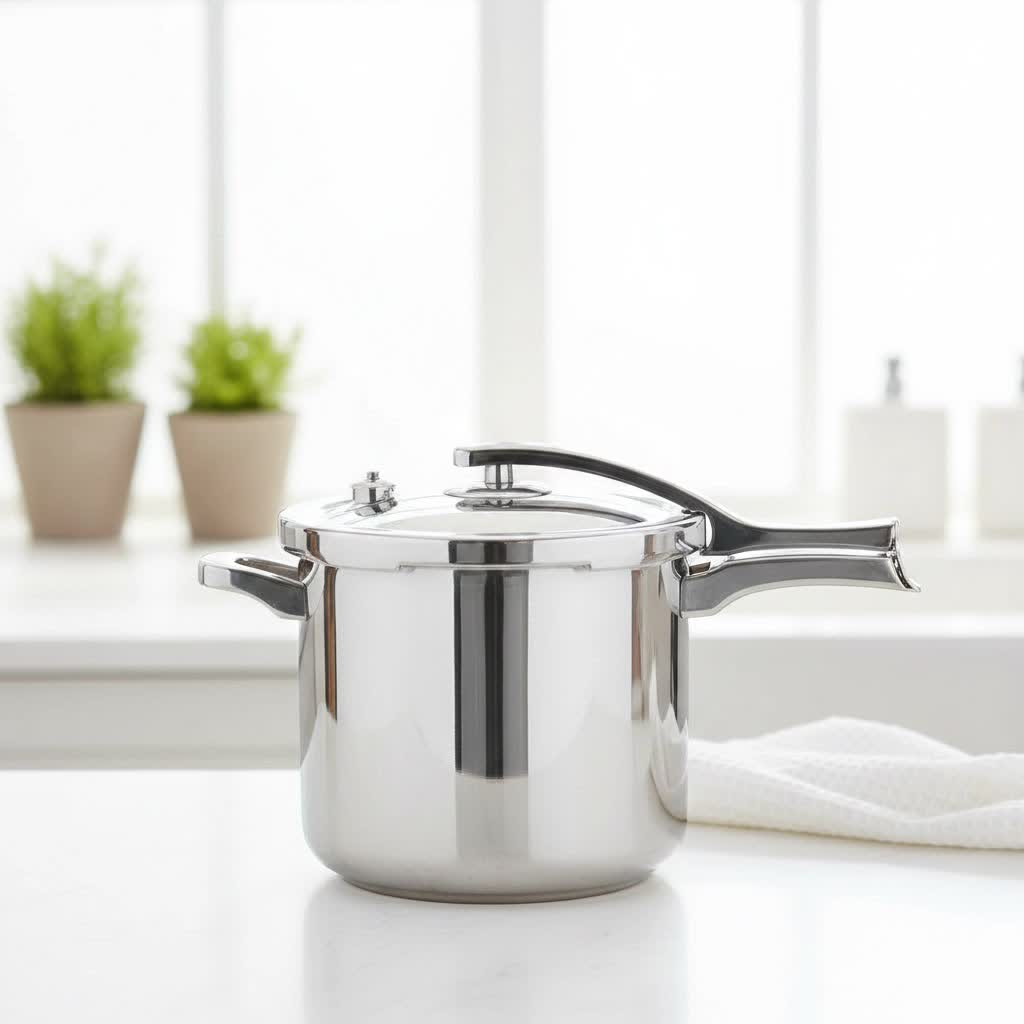
Are you tired of spending hours in the kitchen, waiting for tough cuts of meat to tenderize or grains to cook perfectly? A pressure cooker can revolutionize your cooking, cutting down preparation time significantly while locking in flavor and nutrients. For many home chefs, the stainless steel pressure cooker stands out as the superior choice, offering a blend of durability, safety, and versatility that makes it an indispensable kitchen companion. This comprehensive guide will help you understand everything you need to know to choose, use, and maintain the best stainless steel pressure cooker for your culinary adventures.
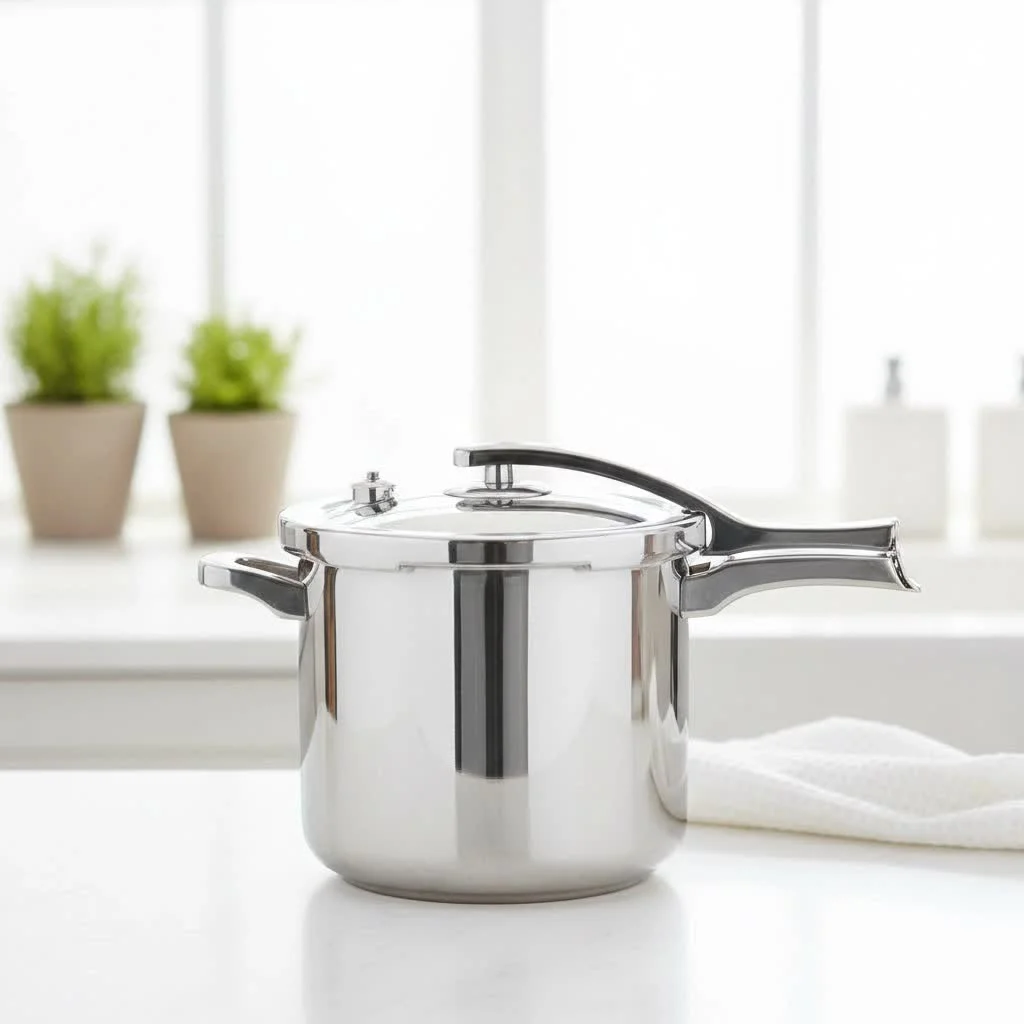
What is a Pressure Cooker and Why Choose Stainless Steel?
At its core, a pressure cooker is a sealed pot that creates a high-pressure environment, allowing food to cook much faster than traditional methods. By trapping steam, it raises the boiling point of water, intensifying heat and forcing moisture and flavors deep into your ingredients. The result? Meals cooked in a fraction of the time, often retaining more vitamins and minerals due to reduced cooking exposure. For more pressure cookers guides on this site.
Stainless steel pressure cookers offer numerous advantages that make them a preferred option. They are known for their exceptional durability and resistance to rust and corrosion, promising many years of reliable service. Unlike some other materials, stainless steel is non-reactive, meaning it won’t leach chemicals or alter the taste of your food, even with acidic ingredients. This material also boasts a professional, sleek appearance that complements any kitchen. Furthermore, many stainless steel models are compatible with induction cooktops, offering broad versatility across different kitchen setups. While stainless steel may take slightly longer to heat up initially compared to aluminum and can be heavier, models with a “tri-ply” or “sandwich” bottom—featuring an aluminum core between layers of stainless steel—effectively address uneven heating, ensuring consistent cooking results.
Essential Criteria for Selecting Your Stainless Steel Pressure Cooker
Choosing the right stainless steel pressure cooker involves considering several key factors to match your cooking style and household needs.
Capacity
The ideal size of your pressure cooker depends largely on your family size and typical meal portions. For individuals or small meals, a 2-3 liter capacity might suffice. Small families of 3-4 members often find a 3-5 liter cooker adequate, while medium families (4-6 members) might opt for a 5-7.5 liter model. For large families, batch cooking, or canning, a larger cooker of 8 liters or more is recommended.
Material Quality
When investing in a stainless steel pressure cooker, prioritize high-grade materials. Look for labels like “304 stainless steel,” “18/8,” or “food grade,” which indicate a robust and safe alloy. Beware of cheaper alternatives that might use lower-grade steel, which can rust or leach metals over time. A common and effective way to ensure better heat distribution is to select a cooker with a tri-ply bottom, where a layer of aluminum or copper is sandwiched between two layers of stainless steel. This design combines the benefits of stainless steel’s non-reactivity and durability with aluminum’s superior heat conductivity, preventing hot spots and ensuring even cooking. You can often perform a quick magnet test: genuine 304 stainless steel is weakly magnetic, so if a magnet sticks firmly, it might indicate a lower-grade alloy.
Safety Features
|
Our Picks for the Best Pressure Cooker in 2026
As an Amazon Associate I earn from qualifying purchases.
|
||
| Num | Product | Action |
|---|---|---|
| 1 | COSORI Pressure Cooker 6QT, Stainless Steel, 9-in-1 Multi Cooker, 12 Safety Features, Ceramic Inner Pot, Rice, Slow Cook, Sous Vide, Saute, 1100W |

|
| 2 | Presto 01362 6-Quart Stainless Steel Pressure Cooker |
|
| 3 | 3-In-1 Stainless Steel Pressure Cooker 8 QT: [Save 70% Time] [3 PSI Settings], One-Hand Locking, Induction Compatible, Glass Lid & Steamer Rack Included, Olla de Presion |
|
| 4 | Presto 01264 6-Quart Aluminum Pressure Cooker, Silver |
|
| 5 | Instant Pot Duo 7-in-1 Electric Pressure Cooker, Slow Cooker, Rice, Steamer, Sauté, Yogurt Maker, Warmer & Sterilizer, Includes App With Over 800 Recipes, Stainless Steel, 6 Quart |
|
| 6 | Fullwill 9-in-1 Electric Pressure Cooker(2025 Upgraded), 12 Presets Instant Multi Cooker, Olla de Presion Nonstick Pot 6 Quarts |
|
| 7 | 18/8 Stainless Steel Pressure Cooker 8 Qt, [One-Hand Locking] Pressure Cooker,[3-In-1] Olla de Presion, Induction,Gas Stovetop Compatible, Includes Glass Lid & Steamer Rack |
|
| 8 | Barton Pressure Canner Release Valve Aluminum Canning Pot Cooker Pot Stove Top Instant Fast Cooking Pot Stewing Locking System (8 Quarts) |
|
| 9 | Instant Pot Duo 7-in-1 Mini Electric Pressure Cooker, Slow Rice Cooker, Steamer, Sauté, Yogurt Maker, Warmer & Sterilizer, Includes Free App with over 1900 Recipes, Stainless Steel, 3 Quart |
|
| 10 | Instant Pot Duo 7-in-1 Electric Pressure Cooker, Slow Cooker, Rice Cooker, Steamer, Sauté, Yogurt Maker, Warmer & Sterilizer, Includes App with Over 800 Recipes, Stainless Steel, 8 Quart |
|
Modern stainless steel pressure cookers are engineered with multiple safety mechanisms to prevent accidents. Essential features to look for include:
- Pressure Release Valve: Automatically releases excess steam to prevent over-pressurization.
- Safety Valve/Plug: A backup mechanism that releases pressure if the primary valve fails.
- Secure Locking Mechanism: Ensures the lid is tightly sealed and cannot be opened while the cooker is under pressure.
- Gasket Release System (GRS): A safety gasket designed to bulge and release pressure if other systems are clogged.
- Visual Pressure Indicator: A small pin or gauge that clearly shows when pressure has built up inside the cooker.
- Anti-Clog Vent Pipe: Helps prevent food particles from blocking the steam release.
Brand Reputation & Types
The market offers both stovetop and electric stainless steel pressure cookers. Stovetop models are generally more traditional, relying on your range for heat, while electric models often come with programmable settings and multi-cooker functionalities (e.g., slow cook, sauté, steam). Reputable brands like Instant Pot (electric), Fissler, Kuhn Rikon, T-Fal, Presto, Hawkins, and Stahl are well-regarded for their quality and safety.
Top Stainless Steel Pressure Cookers on the Market
While specific models and features evolve, certain characteristics consistently define the best stainless steel pressure cookers. Electric multi-cookers, such as those from Instant Pot, are celebrated for their versatility, often combining pressure cooking with slow cooking, steaming, rice cooking, sautéing, and even yogurt making, all within a sleek stainless steel inner pot. These models typically feature intuitive digital displays and numerous preset programs for convenience.
Stovetop stainless steel pressure cookers, on the other hand, are often favored for their robust construction and simpler design. Brands like Fissler and Kuhn Rikon are known for their high-quality German and Swiss engineering, offering exceptional durability and precise pressure control. Many premium stovetop models feature thick, tri-ply bases for superior heat distribution and ergonomic handles for safe handling.
Here’s a conceptual comparison of common features you’ll find across top stainless steel pressure cooker types:
| Feature | Stovetop Pressure Cooker | Electric Multi-Cooker (e.g., Instant Pot) |
|---|---|---|
| Material | 304 Stainless Steel (often Tri-ply) | 304 Stainless Steel Inner Pot |
| Heat Source | Gas, Electric, Induction, Ceramic | Built-in Electric Element |
| Cooking Control | Manual pressure & heat adjustment | Digital display, preset programs, smart functions |
| Safety Features | Multiple valves, secure lid lock | Multiple valves, sensor-based lid lock, overheat protection |
| Versatility | Primarily pressure cooking | Multi-functional (pressure cook, slow cook, sauté, steam, etc.) |
| Maintenance | Easy to clean, dishwasher-safe components | Dishwasher-safe inner pot, gasket care |
| Price Point | Moderate to High | Moderate to High |
Master Your Stainless Steel Pressure Cooker: Usage and Care Tips
To maximize the lifespan and ensure safe operation of your stainless steel pressure cooker, proper usage and diligent maintenance are crucial.
Safe and Effective Usage
- Don’t Overfill: Never fill your pressure cooker more than two-thirds full. If you’re cooking foods that expand, like rice, beans, or lentils, limit the fill to half its capacity. Overfilling can lead to excess pressure or clogging of the vent pipe.
- Secure the Lid: Always ensure the lid is properly aligned and securely locked before placing the cooker on the heat source. A loose lid can prevent pressure from building correctly and pose a safety risk.
- Vent First: Place the pressure regulating weight or whistle on the vent tube only after steam begins to consistently escape, indicating a clear vent.
- Add Oil for Frothing Foods: When cooking frothy foods such as lentils or beans, adding a teaspoon of cooking oil can help prevent excessive foaming, which could clog the vent.
- Natural Pressure Release: Unless your recipe or cooker’s manual specifies a quick release method, allow the pressure cooker to cool down naturally. This ensures even cooking and prevents damage to the food and the cooker itself. Never attempt to force open a lid before all internal pressure has dissipated.
Cleaning and Maintenance
Regular cleaning and maintenance are key to keeping your stainless steel pressure cooker in excellent condition.
- Clean Immediately: After each use, once the cooker has cooled, wash it thoroughly with warm, soapy water. Don’t leave food residues overnight, as acidic or salty foods can corrode stainless steel over time.
- Gentle Cleaning: Use a soft sponge or cloth and mild dish soap to prevent scratches on the stainless steel surface. For stubborn stains or burnt-on food, fill the cooker with water and a few drops of dish soap, simmer for 10 minutes, then let it cool before gently scrubbing. A paste of baking soda and water can also tackle tough spots.
- Gasket and Whistle Care: Always remove the silicone gasket and pressure regulating whistle/vent pipe after each use. Wash them separately with soap and water, ensuring no food particles clog the vent. Check the gasket for any cracks, warping, or discoloration, and replace it approximately every six months or if it shows signs of wear.
- Dry Thoroughly: After washing, dry all parts of the pressure cooker completely to prevent water spots, discoloration, and mildew.
- Proper Storage: Store your pressure cooker with the lid slightly ajar or upside down to allow air circulation and prevent odors from building up. Avoid sealing the cooker when not in use.
Where to Buy and What to Expect with Pricing
Stainless steel pressure cookers are widely available from various retailers, making them accessible to most consumers. You can find them at major appliance stores, department stores, and numerous online marketplaces. Purchasing from reputable stores or official brand websites is advisable to ensure authenticity and good customer service.
Pricing for stainless steel pressure cookers varies significantly based on brand, capacity, features (e.g., multi-cooker functions, advanced safety systems, tri-ply construction), and whether it’s an electric or stovetop model. You can find basic, budget-friendly stovetop options, mid-range multi-functional electric models, and high-end stovetop cookers with premium engineering. While the initial investment for a quality stainless steel pressure cooker might be higher than aluminum alternatives, its longevity and durability often provide better long-term value.
Buying Guide: Expert Advice for Your Purchase
Choosing a stainless steel pressure cooker is a decision that impacts your daily cooking. To make the best choice, consider these expert tips:
- Assess Your Needs: Think about your cooking habits, family size, and the types of dishes you prepare most often. Do you need a large capacity for batch cooking, or a smaller one for everyday meals? Are you looking for a simple stovetop model or a multi-functional electric appliance?
- Prioritize Safety: Always look for models with multiple, reliable safety features, as discussed earlier. Reading user reviews can offer insights into real-world safety performance.
- Check Material Quality: Verify that the stainless steel is high-grade (e.g., 304 or 18/8) and consider models with tri-ply bases for optimal heat distribution.
- Read Reviews and Compare: Take the time to research different brands and models. User reviews and professional tests can provide valuable information on performance, ease of use, and durability.
- Consider Warranty and Support: Choose a brand that offers a good warranty and accessible customer service for any potential issues or replacement parts.
“A stainless steel pressure cooker isn’t just a kitchen tool; it’s an investment in efficiency and healthier eating. Prioritizing durability and safety features ensures you’ll enjoy its benefits for years to come.” – Admin, Reviewmylp.com
Conclusion
A stainless steel pressure cooker is a powerful and practical addition to any kitchen, enabling you to prepare delicious, nutrient-rich meals with remarkable speed and efficiency. By understanding the benefits of stainless steel, knowing what features to look for, and committing to proper usage and maintenance, you can select a reliable appliance that serves your culinary needs for years. Embrace the convenience and culinary possibilities that a high-quality stainless steel pressure cooker brings to your home.
Ready to transform your cooking experience? Which stainless steel pressure cooker feature excites you the most?
Frequently Asked Questions
Is a stainless steel pressure cooker healthy?
Yes, stainless steel pressure cookers are considered a healthy cooking option because they are non-reactive and do not leach chemicals into your food. The pressurized cooking also helps retain more vitamins and minerals compared to traditional boiling methods.
Can I put my stainless steel pressure cooker in the dishwasher?
Many stainless steel pressure cooker pots are dishwasher safe, especially the inner pot of electric models. However, it’s always best to consult your specific model’s user manual, as certain components like lids, gaskets, or electric bases may require handwashing.
How often should I replace the gasket?
The silicone or rubber gasket is crucial for maintaining pressure and safety. It’s generally recommended to inspect the gasket regularly for signs of wear, cracks, or deformation and replace it approximately every six months, or sooner if any damage is visible.
What is tri-ply stainless steel?
Tri-ply stainless steel refers to cookware constructed with three layers: an inner layer of food-grade stainless steel, a middle core of aluminum (or sometimes copper) for excellent heat conductivity, and an outer layer of magnetic stainless steel, often making it induction-compatible. This design ensures even heating and prevents hot spots.
Are stainless steel pressure cookers safe?
Modern stainless steel pressure cookers are very safe due to multiple built-in safety features, including pressure release valves, safety plugs, and secure lid locking mechanisms. Following the manufacturer’s instructions for filling, closing, and releasing pressure is essential for safe operation.
Cooking gear we tested in our own kitchens
Free PDF — preheat times measured on 10 popular air fryers.
