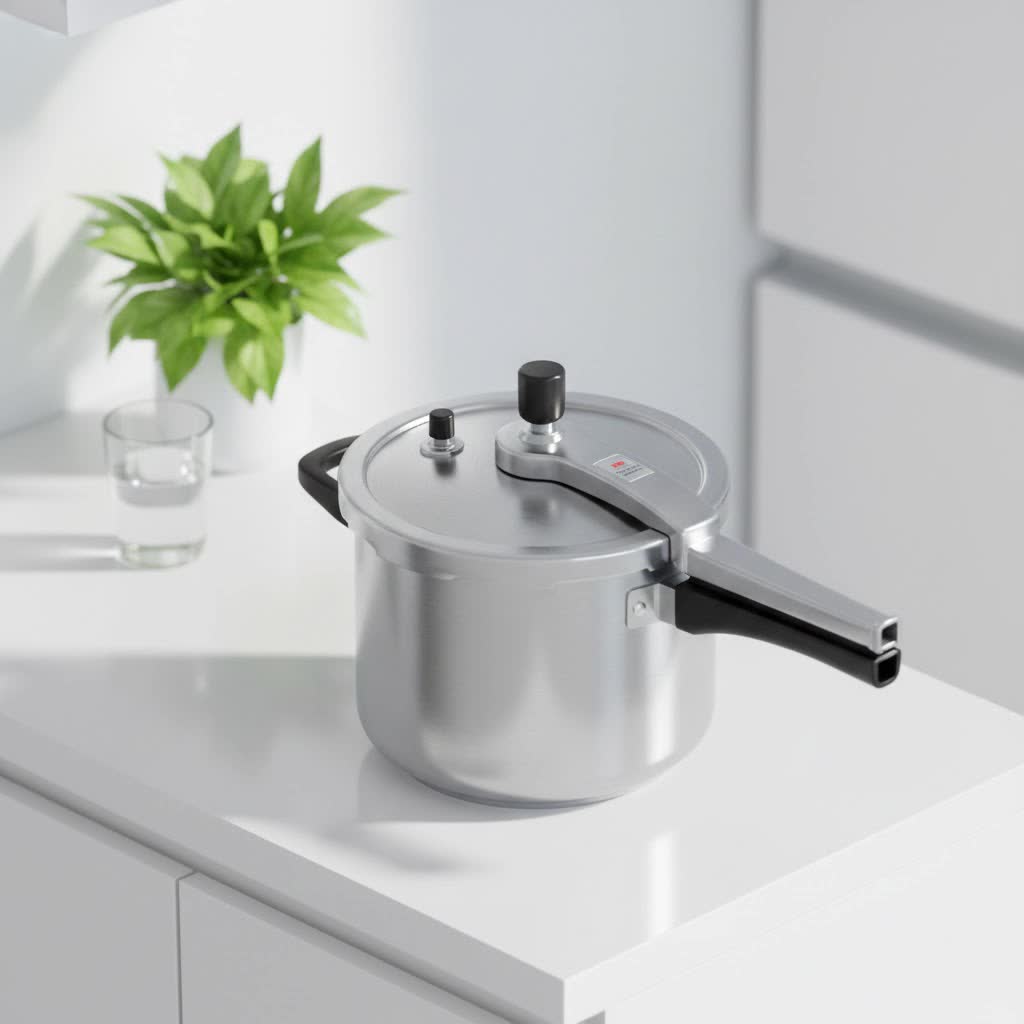
Are you looking to extend the bounty of your garden, stock your pantry with homemade goodness, or simply ensure your food is safely preserved for months to come? Choosing the right equipment is paramount, and a Presto pressure canner stands as a trusted ally in the world of home food preservation. With over a century of expertise, Presto offers a range of canners designed to meet every home canner’s needs, from traditional stovetop models to innovative electric units. This comprehensive guide will walk you through everything you need to know about selecting, using, and maintaining your Presto pressure canner, ensuring you make the best choice for safe and delicious results.
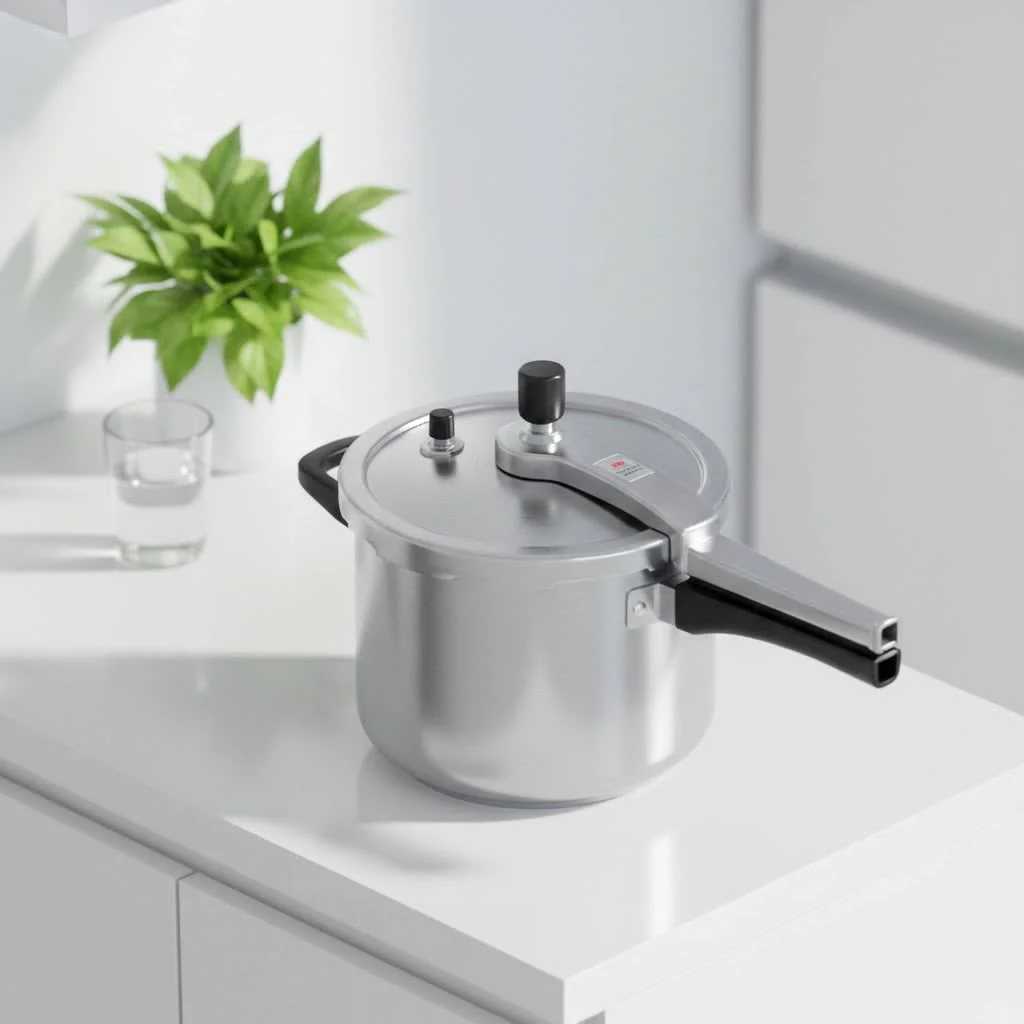
What is a Pressure Canner? Why You Need One, Especially Presto
A pressure canner is a specialized appliance essential for safely preserving low-acid foods. Unlike boiling water bath canners, which are suitable for high-acid foods like fruits and pickles, a pressure canner reaches temperatures far beyond boiling point by trapping steam to create pressure. This ultra-high temperature is critical for destroying harmful microorganisms, most notably the bacteria that causes botulism, ensuring your canned meats, poultry, seafood, and vegetables are shelf-stable and safe to eat. For see our pressure cookers recommendations on this site.
Presto has been a powerhouse brand in the canning world for well over a century, building a reputation for reliability and safety. Their commitment to manufacturing pressure canners that adhere to the highest safety standards makes them a go-to choice for both novice and experienced home canners. The benefits of using a Presto pressure canner are manifold: it saves time by cooking foods faster, locks in vital nutrients, and provides peace of mind through secure preservation.
Key Criteria for Choosing a Presto Pressure Canner
Selecting the ideal Presto pressure canner involves considering several important factors that will impact your canning efficiency and overall experience.
Capacity
The capacity of your pressure canner, measured in quarts, determines how many jars you can process in a single batch.
- Small-batch canners (12-16 quarts): Ideal for individuals or small families, typically holding 7 quart-sized jars or 10 pint-sized jars. The Presto 16-Quart Aluminum Pressure Canner is a popular mid-size option.
- Large-capacity canners (23 quarts and up): Suited for those preserving large harvests, holding 7 quart-sized jars or 20 pint-sized jars (often requiring a second rack for stacking pints). The Presto 23-Quart Aluminum Pressure Canner is a common choice for high-yield preserving.
It’s important to remember that USDA guidelines specify a pressure canner must be able to hold a minimum of four quart-sized jars for safe processing.
Material
|
Our Picks for the Best Pressure Cooker in 2026
As an Amazon Associate I earn from qualifying purchases.
|
||
| Num | Product | Action |
|---|---|---|
| 1 | COSORI Pressure Cooker 6QT, Stainless Steel, 9-in-1 Multi Cooker, 12 Safety Features, Ceramic Inner Pot, Rice, Slow Cook, Sous Vide, Saute, 1100W |

|
| 2 | Barton Pressure Canner Release Valve Aluminum Canning Pot Cooker Pot Stove Top Instant Fast Cooking Pot Stewing Locking System (8 Quarts) |
|
| 3 | Presto 01362 6-Quart Stainless Steel Pressure Cooker |
|
| 4 | Instant Pot Duo 7-in-1 Electric Pressure Cooker, Slow Cooker, Rice, Steamer, Sauté, Yogurt Maker, Warmer & Sterilizer, Includes App With Over 800 Recipes, Stainless Steel, 6 Quart |
|
| 5 | Instant Pot Duo 7-in-1 Mini Electric Pressure Cooker, Slow Rice Cooker, Steamer, Sauté, Yogurt Maker, Warmer & Sterilizer, Includes Free App with over 1900 Recipes, Stainless Steel, 3 Quart |
|
| 6 | Instant Pot Duo 7-in-1 Electric Pressure Cooker, Slow Cooker, Rice Cooker, Steamer, Sauté, Yogurt Maker, Warmer & Sterilizer, Includes App with Over 800 Recipes, Stainless Steel, 8 Quart |
|
| 7 | 18/8 Stainless Steel Pressure Cooker 8 Qt, [One-Hand Locking] Pressure Cooker,[3-In-1] Olla de Presion, Induction,Gas Stovetop Compatible, Includes Glass Lid & Steamer Rack |
|
| 8 | Presto 01264 6-Quart Aluminum Pressure Cooker, Silver |
|
| 9 | Fullwill 9-in-1 Electric Pressure Cooker(2025 Upgraded), 12 Presets Instant Multi Cooker, Olla de Presion Nonstick Pot 6 Quarts |
|
| 10 | 3-In-1 Stainless Steel Pressure Cooker 8 QT: [Save 70% Time] [3 PSI Settings], One-Hand Locking, Induction Compatible, Glass Lid & Steamer Rack Included, Olla de Presion |
|
Most Presto stovetop pressure canners are made from durable, lightweight aluminum, which contributes to their affordability and ease of handling, even when full. However, for those with induction cooktops, Presto offers models with a stainless steel-clad base, ensuring compatibility across all range types. While aluminum canners are efficient, some users report the bottom can warp if used on very high BTU burners, a minor consideration for many.
Safety Features
Safety is paramount in pressure canning. Presto canners are equipped with essential safety features designed to prevent accidents and ensure proper operation:
- Vent Pipe/Cover Lock: Automatically vents air and locks the lid securely once pressure builds.
- Overpressure Plug: A safety mechanism that releases excess pressure if the vent pipe becomes clogged.
- Sealing Ring/Gasket: Creates a tight seal between the lid and the pot, crucial for maintaining pressure.
- Pressure Gauge or Regulator: Allows you to monitor and control the internal pressure.
Pressure Control (Gauge Type)
Presto offers canners with different pressure control mechanisms:
- Dial Gauge: Provides a precise reading of the internal pressure, allowing for fine adjustments, especially important for high-altitude canning. However, dial gauges typically require annual testing for accuracy.
- Weighted Gauge: Uses weights to regulate pressure at specific increments (e.g., 5, 10, 15 PSI). While requiring less monitoring for consistent pressure, they offer less flexibility for incremental adjustments needed at varying altitudes compared to dial gauges.
- Digital Control: Featured in electric pressure canners, this automated system precisely maintains the set temperature and pressure, making the process virtually hands-off.
Stovetop Compatibility
Traditional aluminum pressure canners work efficiently on gas, electric coil, and some glass-top ranges. If you have an induction cooktop, you will need a Presto canner specifically designed with a stainless steel-clad base to ensure compatibility. Always check your stove’s specifications regarding weight capacity, especially for larger canners.
Comparing Popular Presto Pressure Canner Models
Presto offers a diverse lineup of pressure canners, each with unique features catering to different canning needs. Here’s a comparison of some of their most popular models:
| Model | Type | Liquid Capacity | Jar Capacity (Quarts/Pints) | Material | Pressure Gauge | Key Features | Price Range |
|---|---|---|---|---|---|---|---|
| Presto 16-Quart Aluminum (01755) | Stovetop | 16 Quarts | 7 Quarts / 10 Pints | Aluminum | Dial Gauge | Affordable, durable, versatile (pressure cooking/water bath for pints), works on most cooktops. | $120-$160 |
| Presto 23-Quart Aluminum (01781) | Stovetop | 23 Quarts | 7 Quarts / 20 Pints | Aluminum | Dial Gauge | Large capacity for big batches, lightweight for its size, built to last, works on most cooktops. | $160-$200 |
| Presto 23-Quart Induction (01784) | Stovetop | 23 Quarts | 7 Quarts / 20 Pints | Alum. w/ Stainless Clad Base | Dial Gauge | Induction compatible, large capacity, durable. | $190-$240 |
| Presto Precise Digital (12-Quart) | Electric | 12 Quarts | 5 Quarts / 9 Pints | Non-stick pot | Digital | Automated “set-it-and-forget-it” operation, dual-purpose (pressure/water bath canning), 10 safety features, digital interface, easy cleanup. | $300-$350 |
| Presto Precise Digital (17-Quart) | Electric | 17 Quarts | (Exact jars vary, similar ratio) | Non-stick pot | Digital | Larger electric capacity, automated operation, digital interface, easy cleanup. | $350-$400 |
Top Presto Pressure Canner Reviews
Let’s dive deeper into some of the most highly-regarded Presto pressure canners.
Presto 16-Quart Aluminum Pressure Canner and Cooker (Model 01755)
Often praised as a “Best Overall” and “Best Budget-Friendly” option, this classic 16-quart aluminum canner has truly stood the test of time. It holds a solid batch of 7 quart-sized jars or 10 pint-sized jars, making it a versatile choice for many home canners. Testers commend its affordability, durability, and its ability to heat water and come up to pressure quickly. It effectively doubles as a water bath canner for pint and half-pint jars of high-acid foods, adding to its utility. While its dial gauge requires annual accuracy checks, its straightforward operation on gas, electric, and glass ranges makes it a consistently top-rated choice.
Presto 23-Quart Aluminum Pressure Canner and Cooker (Model 01781)
For those with a bumper crop or planning to preserve larger quantities, the 23-quart aluminum model is a standout. This “Best Large-Capacity” canner holds an impressive 7 quart-sized jars or up to 20 pint-sized jars (when double-stacked with an additional rack). Weighing less than 11 pounds when empty, it strikes a good balance between size and maneuverability. Its robust construction ensures longevity, and the dial gauge makes altitude adjustments manageable. Users appreciate its consistent performance, though, like all dial gauges, it benefits from occasional recalibration.
Presto Precise Digital Pressure Canner (12-Quart & 17-Quart)
The Presto Precise Digital Pressure Canner represents a significant leap in canning convenience. It has been lauded for its ease of use, particularly by new canners who might find stovetop methods intimidating. The digital interface guides you through the entire canning process, eliminating the guesswork of managing stovetop heat and monitoring pressure. It functions as both a pressure canner and a boiling water canner, making it highly versatile. With 10 built-in safety features, including a cover locking system and precise temperature control, it aims to make canning feel safer and more hands-off. Its removable nonstick pot and dishwasher-safe rack also make cleanup a breeze. While its capacity (e.g., 5 quart-sized jars in the 12-quart model) is smaller than the largest stovetop units and it cannot double-stack jars, it’s an excellent option for small-batch canning and those seeking automated simplicity.
> “The digital interface and automated process of the Presto electric canner truly revolutionize home canning, making it accessible and less daunting for everyone.” – Anna Marie, Certified Home Canning Instructor
Using and Maintaining Your Presto Pressure Canner
Proper usage and consistent maintenance are crucial for ensuring the safety, longevity, and optimal performance of your Presto pressure canner.
How to Use Your Presto Pressure Canner Safely and Effectively
- Read the Manual: Always begin by thoroughly reading the specific instruction manual for your Presto model. Presto provides very detailed manuals and helpful step-by-step YouTube videos.
- Prepare Jars and Food: Ensure your jars are clean and hot, and your food is prepared according to a tested canning recipe from a reliable source like the USDA or NCHFP.
- Load the Canner: Place the jar rack at the bottom, then carefully load your filled, lidded jars. Add the specified amount of hot water to the canner.
- Secure the Lid: Place the lid on the canner and twist it securely into place.
- Vent the Canner: Allow steam to escape from the vent pipe steadily for 10 minutes (or as directed by your manual). This “venting” step is critical to remove all air from the canner, ensuring only pure steam remains for accurate pressure.
- Build Pressure: Place the weighted gauge or close the vent (depending on your model) and allow pressure to build. For dial gauge models, monitor the gauge and adjust heat to maintain the target PSI. Electric models will automatically regulate pressure.
- Process Time: Once the correct pressure is reached, begin your processing time according to your recipe and altitude adjustments.
- Depressurize Naturally: When processing is complete, turn off the heat (or the electric canner will automatically cool). Allow the canner to cool and depressurize naturally until the cover lock drops. Never force cool a pressure canner.
- Remove Jars: Once fully depressurized, remove the lid carefully, tilting it away from your face to avoid steam. Use a jar lifter to remove hot jars to a towel-lined surface to cool for 12-24 hours.
Cleaning and Preserving Your Presto Pressure Canner
- After Each Use: Wash the canner body, lid, sealing ring, and racks with warm, soapy water. Rinse thoroughly and dry completely to prevent water spots and corrosion. Avoid abrasive cleaners that could damage the aluminum.
- Gasket Care: Remove the sealing ring from the lid after each use for thorough cleaning and drying. Store it loosely or separately from the lid to prevent stretching or flattening, which can compromise the seal over time. Replace the sealing ring annually or if it shows signs of wear.
- Gauge Maintenance: If your Presto canner has a dial gauge, it’s recommended to have it tested annually for accuracy by your local extension office. Weighted gauges, however, generally do not require testing.
- Storage: Store your clean, dry canner in a cool, dry place. Place crumpled paper or a cloth inside the pot to absorb moisture and prevent odors, and invert the lid on top of the pot to allow air circulation, rather than sealing it tightly.
Where to Buy Presto Pressure Canners? Price Ranges
Presto pressure canners are widely available, making them accessible to home canners across various budgets and shopping preferences.
Reputable Purchasing Channels
- Major Online Retailers: Platforms like Amazon, Walmart, Wayfair, and Target frequently carry a wide selection of Presto stovetop and electric pressure canners, often with competitive pricing and customer reviews.
- Home Goods and Appliance Stores: Local kitchen supply stores, hardware stores, and department stores specializing in home goods often stock Presto canners, allowing you to see the product in person.
- Presto’s Official Website: Purchasing directly from Presto’s website ensures you get genuine products and direct access to their customer service and warranty.
Price Segmentation
The cost of a Presto pressure canner can vary based on its type, capacity, and features.
- Budget-Friendly: Smaller capacity aluminum stovetop models can range from $120 to $160, offering excellent value for basic, reliable pressure canning.
- Mid-Range: Larger aluminum stovetop models and induction-compatible versions typically fall between $160 and $240.
- Premium: The Presto Precise Digital Electric Pressure Canners are at the higher end, ranging from $300 to $400, reflecting their advanced automation and convenience features.
Buying Guide: Expert Advice for Your Presto Canner
As a technician with over a decade of experience, I emphasize a thoughtful approach when investing in a Presto pressure canner. Here’s my expert advice to help you make an informed decision:
- Assess Your Canning Volume: Honestly evaluate how much canning you plan to do. A 16-quart stovetop canner is excellent for regular family use, while a 23-quart is better for large harvests. If you prefer small batches with ultimate convenience, an electric model might be perfect.
- Consider Your Cooktop: Verify your stove’s compatibility. If you have an induction cooktop, explicitly choose a Presto canner with a stainless steel-clad base. For glass-top stoves, always check the weight limit to ensure it can handle a full canner.
- Prioritize Safety and Ease of Use: All Presto canners adhere to safety standards. For hands-off operation and digital guidance, the electric model excels. If you don’t mind monitoring a gauge, a stovetop model offers simplicity and robust performance.
- Read User Reviews: Beyond professional reviews, delve into user feedback. Real-world experiences can highlight practical pros and cons, especially regarding specific models.
- Factor in Maintenance: Remember that dial gauges require annual testing. If this is a deterrent, consider electric models with digital control, or stovetop models with weighted gauges.
- Don’t Forget Accessories: Plan for essential canning accessories like jar lifters, wide-mouth funnels, and extra jar racks, especially if you opt for a large stovetop canner for stacking pints.
Conclusion
Choosing a Presto pressure canner is an investment in safe, efficient, and enjoyable home food preservation. Whether you opt for a robust aluminum stovetop model or the convenient, automated electric canner, Presto’s century-long legacy ensures you’re acquiring a reliable tool built for durability and performance. By understanding the key differences in capacity, material, safety features, and pressure control, you can confidently select the Presto canner that perfectly aligns with your home canning aspirations. Embrace the rewarding tradition of preserving your own food, knowing you have a trusted Presto appliance by your side.
What delicious, nutritious foods will you preserve first with your new Presto pressure canner?
Frequently Asked Questions
Is the Presto electric pressure canner USDA approved?
While the USDA and the National Center for Home Food Preservation (NCHFP) provide comprehensive guidelines for safe home canning, they do not officially “approve” or certify specific brands or models of canning equipment. However, the Presto Precise Digital Pressure Canner is the first electric pressure canner designed to meet USDA home canning guidelines for safely processing low-acid foods like meats, vegetables, and fish. It incorporates numerous safety features and precise temperature control to ensure safe results.
What foods require a pressure canner?
You must use a pressure canner to safely preserve low-acid foods. This category includes all vegetables (except most tomatoes, which are typically acidified), meats, poultry, seafood, soups, and stocks. Low-acid foods have a pH higher than 4.6, creating an environment where harmful bacteria, including Clostridium botulinum, can thrive and produce toxins if not processed at the high temperatures only achievable with a pressure canner.
Can a pressure cooker be used as a pressure canner?
No, a standard pressure cooker should not be used as a pressure canner, even if it has a pressure cooking function. True pressure canners are specifically designed to meet the rigorous safety requirements and heat distribution necessary for killing botulism spores in low-acid foods. While some pressure cookers are marketed as “canners,” only those that explicitly state they meet USDA guidelines for pressure canning and have features like holding at least four quart jars, proper venting, and accurate pressure monitoring should be considered for canning purposes.
How often should I get my Presto pressure canner’s dial gauge checked?
If your Presto pressure canner uses a dial gauge to indicate pressure, it is highly recommended to have it tested annually for accuracy. Dial gauges can lose calibration over time, leading to inaccurate pressure readings which can compromise the safety of your home-canned foods. Many local Cooperative Extension offices offer this service for free or a nominal fee. Weighted gauges, conversely, typically do not require annual testing as their accuracy is inherent in their design.
What’s the difference between a dial gauge and a weighted gauge in Presto canners?
The primary difference lies in how they indicate and maintain pressure. A dial gauge provides a continuous, visual reading of the exact pressure inside the canner, allowing for precise adjustments, especially crucial for high-altitude canning where specific PSI levels are needed. A weighted gauge maintains pressure by rocking gently, releasing steam once a specific pressure (e.g., 5, 10, or 15 PSI) is reached. Weighted gauges are often simpler to use as they don’t require constant monitoring, but they offer less flexibility for incremental pressure adjustments.
Cooking gear we tested in our own kitchens
Free PDF — preheat times measured on 10 popular air fryers.
