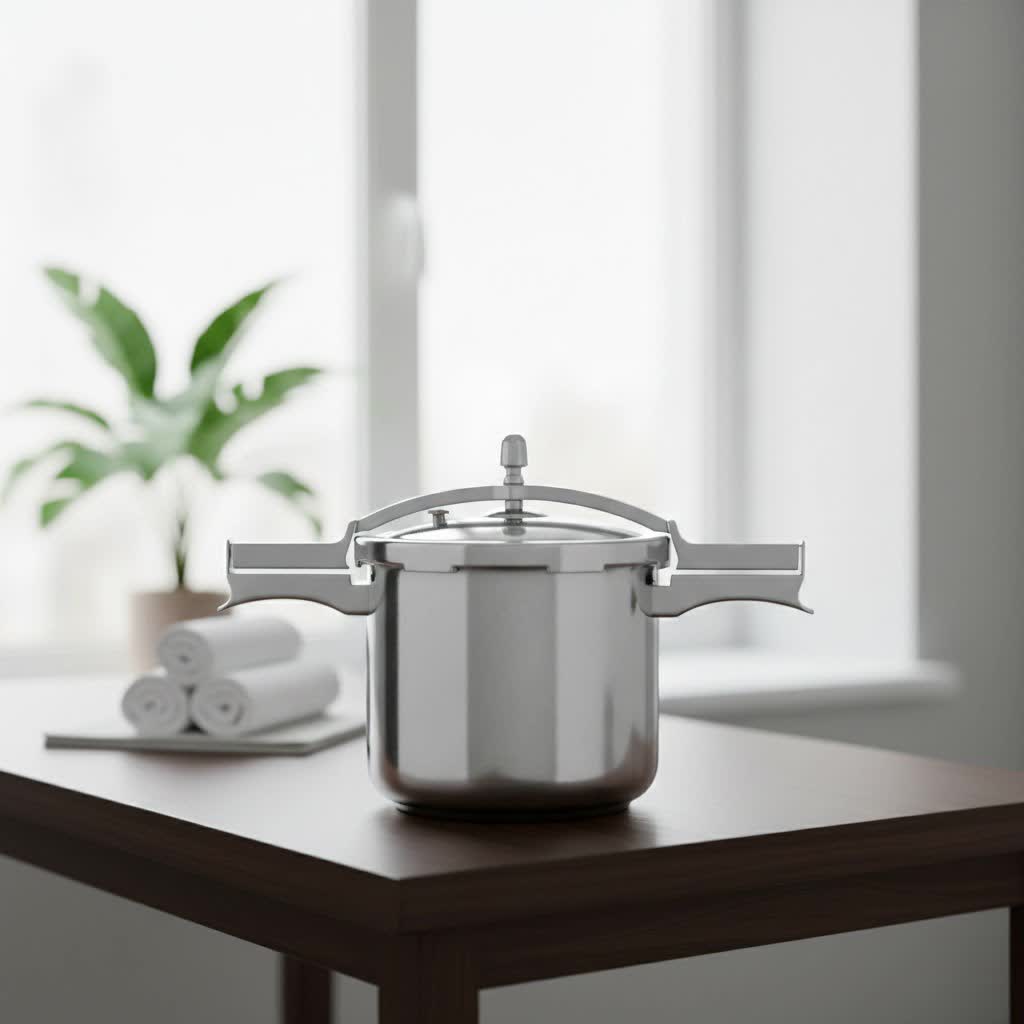
In the relentless rhythm of commercial kitchens, where every second and every ounce of flavor counts, efficiency is not just a luxury—it’s a necessity. Traditional cooking methods often fall short when faced with the demands of large-scale production, leading to extended cooking times, increased energy consumption, and sometimes inconsistent results. This is where the commercial pressure cooker steps in, offering a transformative solution to optimize food preparation. This definitive guide will navigate you through understanding, selecting, utilizing, and maintaining a commercial pressure cooker, empowering you to make an informed investment that elevates your culinary operations.
What is a Commercial Pressure Cooker and Why Do You Need One?
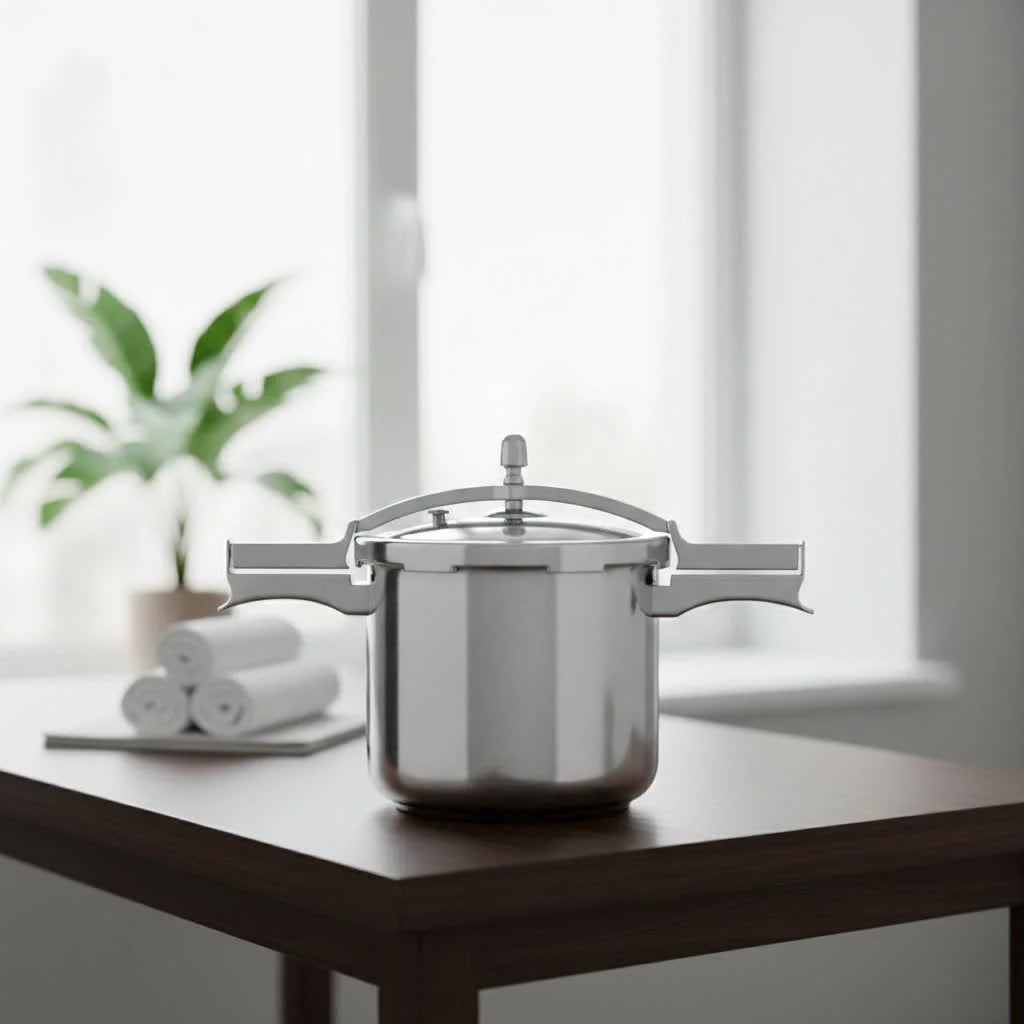
A commercial pressure cooker is a specialized sealed cooking vessel designed to cook food rapidly and efficiently by trapping steam, which significantly increases internal pressure and raises the boiling point of water above its standard 212°F (100°C). This accelerated cooking environment makes these units indispensable in high-volume settings such as restaurants, catering operations, canteens, and food processing facilities. For shop curated pressure cookers on this site.
The benefits of integrating a commercial pressure cooker into your kitchen are substantial. Firstly, they offer remarkable time optimization and energy saving. By slashing cooking times by as much as 70% compared to conventional methods, these appliances lead to significant energy reductions and faster turnaround for dishes. Secondly, pressure cooking excels at nutrient preservation and flavor enhancement. The sealed environment locks in moisture, vitamins, minerals, and the natural aromas of ingredients, resulting in dishes that are not only healthier but also burst with richer, more intense flavors. Food items typically prone to drying out remain succulent and tender. Furthermore, commercial pressure cookers ensure even cooking and superior food safety. The consistent high temperature and pressure guarantee uniform cooking throughout and are highly effective at destroying microorganisms and bacteria, ensuring a high level of food safety. Their versatility is another key advantage, as they can handle a vast array of dishes, from hearty soups and stews to perfectly cooked meats, grains, beans, and vegetables. Beyond the culinary benefits, they contribute to a more comfortable working environment by minimizing evaporation, heat loss, and noise in the kitchen.
“Commercial pressure cookers are game-changers for kitchens needing to scale efficiency without compromising quality. The ability to dramatically cut cooking times while enhancing flavor and nutrition is invaluable.” – Chef Elena Rodriguez, Culinary Operations Director
Key Criteria for Choosing a Commercial Pressure Cooker
Selecting the right commercial pressure cooker requires careful consideration of several factors tailored to the unique demands of a professional kitchen.
Capacity
In a commercial setting, capacity is paramount. Pressure cookers are available in a wide range of sizes, from smaller 8.5-quart (8-liter) units to massive industrial models reaching 100 quarts (approximately 94.6 liters) or even 40 liters (42 quarts) and 80 quarts. The ideal capacity for your operation depends directly on your typical batch sizes, the number of covers you serve, and the volume of food you need to prepare daily. Matching the cooker’s capacity to your operational volume is crucial to maximize efficiency.
Material
The construction material significantly impacts durability, performance, and hygiene.
- Stainless Steel: Highly recommended for commercial pressure cookers, stainless steel offers exceptional durability, resistance to corrosion, and a non-reactive surface that won’t interact with food or impart metallic tastes. It’s also easy to clean and maintain, making it ideal for the rigorous demands of professional kitchens.
- Aluminum: While lighter and often more affordable, aluminum can be less durable and may react with certain acidic foods, potentially affecting flavor and appearance over time. For commercial use, stainless steel is generally the superior choice for longevity and hygiene.
Safety Features
Safety is non-negotiable in any professional kitchen, and modern commercial pressure cookers are equipped with multiple layers of safety mechanisms. Key features to look for include:
- Automatic Pressure Release Valves: These systems are critical for safely reducing internal pressure once cooking is complete.
- Lid Locking Systems: Designed to prevent the lid from being opened while the cooker is still under pressure, eliminating a significant safety risk.
- Safety Valves: Serving as the ultimate failsafe, these valves activate if other pressure release mechanisms fail, quickly venting steam to prevent over-pressurization.
- Pressure Limiting Valve: This component automatically regulates and controls the internal pressure, ensuring it stays within safe operating limits.
- Gasket (Sealing Ring): Typically made from high-temperature-resistant silicone or rubber, the gasket creates a tight seal. Regular inspection and replacement of this component are vital for safe and efficient operation.
- Ergonomic, Sturdy Handles: Commercial units often handle heavy loads, so robust, non-slip handles are essential for safe transportation and handling of the hot appliance.
- Electronic and Mechanical Controls: Advanced models may feature sophisticated electronic and mechanical controls that provide absolute protection for operators and the surrounding environment, enhancing overall safety.
Brand and Technology
When investing in a commercial pressure cooker, consider reputable brands known for manufacturing professional-grade cooking equipment. Look for units that boast “cutting-edge technology that provides precise temperature and pressure control,” as this ensures consistent cooking results and optimal performance. Certification, such as NSF (National Sanitation Foundation), is a strong indicator that the product meets stringent public health and safety standards for commercial food equipment.
Type: Stovetop vs. Electric
Both stovetop and electric commercial pressure cookers offer distinct advantages.
- Stovetop Pressure Cookers: These traditional models are often prized for their robust construction and can come in very large capacities. They rely on an external heat source, offering flexibility if you have existing high-output burners.
- Electric Pressure Cookers: These units offer precise digital controls, pre-set programs, and automated features for a more hands-off operation. While some industrial electric models are available (e.g., 40-liter or 45-liter units), their maximum capacity might be lower than some stovetop giants. They are excellent for consistency and ease of use.
Usage and Maintenance for Commercial Environments
|
Our Picks for the Best Pressure Cooker in 2026
As an Amazon Associate I earn from qualifying purchases.
|
||
| Num | Product | Action |
|---|---|---|
| 1 | Presto 01362 6-Quart Stainless Steel Pressure Cooker |

|
| 2 | 3-In-1 Stainless Steel Pressure Cooker 8 QT: [Save 70% Time] [3 PSI Settings], One-Hand Locking, Induction Compatible, Glass Lid & Steamer Rack Included, Olla de Presion |
|
| 3 | 18/8 Stainless Steel Pressure Cooker 8 Qt, [One-Hand Locking] Pressure Cooker,[3-In-1] Olla de Presion, Induction,Gas Stovetop Compatible, Includes Glass Lid & Steamer Rack |
|
| 4 | Instant Pot Duo 7-in-1 Electric Pressure Cooker, Slow Cooker, Rice Cooker, Steamer, Sauté, Yogurt Maker, Warmer & Sterilizer, Includes App with Over 800 Recipes, Stainless Steel, 8 Quart |
|
| 5 | Instant Pot Duo 7-in-1 Mini Electric Pressure Cooker, Slow Rice Cooker, Steamer, Sauté, Yogurt Maker, Warmer & Sterilizer, Includes Free App with over 1900 Recipes, Stainless Steel, 3 Quart |
|
| 6 | Instant Pot Duo 7-in-1 Electric Pressure Cooker, Slow Cooker, Rice, Steamer, Sauté, Yogurt Maker, Warmer & Sterilizer, Includes App With Over 800 Recipes, Stainless Steel, 6 Quart |
|
| 7 | Barton Pressure Canner Release Valve Aluminum Canning Pot Cooker Pot Stove Top Instant Fast Cooking Pot Stewing Locking System (8 Quarts) |
|
| 8 | Fullwill 9-in-1 Electric Pressure Cooker(2025 Upgraded), 12 Presets Instant Multi Cooker, Olla de Presion Nonstick Pot 6 Quarts |
|
| 9 | Presto 01264 6-Quart Aluminum Pressure Cooker, Silver |
|
| 10 | COSORI Pressure Cooker 6QT, Stainless Steel, 9-in-1 Multi Cooker, 12 Safety Features, Ceramic Inner Pot, Rice, Slow Cook, Sous Vide, Saute, 1100W |
|
Proper usage and diligent maintenance are crucial for maximizing the lifespan, safety, and performance of your commercial pressure cooker.
Safe and Effective Use
- Read the Manual: Always begin by thoroughly reading and understanding the manufacturer’s instruction manual specific to your model.
- Proper Sealing: Ensure the lid is correctly sealed and locked before applying heat.
- Avoid Overfilling: Never fill the pressure cooker beyond two-thirds full for most foods, and no more than half full for foods that expand (like grains or beans) to allow for steam expansion and proper functioning of safety valves.
- Monitor Operation: Keep an eye on the cooker during operation for any unusual sounds or functioning.
- Pressure Release: Understand the different pressure release methods: natural release (allowing pressure to drop gradually as the cooker cools) and quick release (using the steam release valve to vent pressure rapidly). Choose the appropriate method for your recipe.
Cleaning and Storage
- Clean After Each Use: To prevent food buildup and ensure hygiene, clean the pressure cooker thoroughly after every use.
- Cool Down: Always allow the cooker to cool down naturally before attempting to clean it. Cleaning a hot pressure cooker can not only be dangerous but also damage the appliance.
- Gasket Care: Regularly inspect the sealing gasket for cracks, stiffness, or damage. Replace it every 6 months or as per the manufacturer’s recommendation to maintain a tight seal.
- Professional Servicing: Depending on usage, schedule regular servicing at authorized service centers to ensure all components, especially safety mechanisms, are functioning correctly.
- Material Advantage: Stainless steel cookers are particularly easy to clean, resisting stains and odors, which is a significant advantage in busy commercial kitchens.
Where to Buy Commercial Pressure Cookers and Expected Pricing
Commercial pressure cookers can be sourced from several reputable channels catering to the foodservice industry. Specialized commercial kitchen equipment suppliers are an excellent option, offering a range of industrial-grade units and expert advice. Large online commercial restaurant supply stores often carry various models, while broader online marketplaces might list larger-capacity units suitable for commercial applications.
Pricing for commercial pressure cookers varies widely based on capacity, material, brand, and features. You can expect to find smaller commercial or large home-use models starting from a few hundred dollars. However, industrial-grade, large-capacity units designed for heavy-duty commercial use can range from several hundred to several thousand dollars. Investing in a high-quality unit from a reputable brand will ensure durability, safety, and consistent performance over time.
Buying Guide: Expert Advice for Your Commercial Kitchen
Making the right choice for a commercial pressure cooker can significantly impact your kitchen’s productivity and culinary output. Here’s some expert advice to guide your decision:
- Clearly Define Your Needs: Before looking at models, assess your kitchen’s specific requirements. How many servings do you typically prepare? What types of dishes will you be cooking most often? This will help you determine the necessary capacity and features.
- Prioritize Safety Above All Else: In a commercial setting, safety features are non-negotiable. Look for models with multiple, robust safety mechanisms and certifications relevant to commercial use.
- Choose Stainless Steel for Durability and Hygiene: While aluminum options exist, stainless steel offers superior longevity, resistance to corrosion, and ease of cleaning, which is vital for maintaining high hygiene standards.
- Invest in Reputable Brands: Opt for manufacturers known for quality commercial kitchen equipment. These brands often provide better reliability, customer support, and spare parts availability.
- Consider Essential Features: Evaluate if advanced controls, programmable settings, induction compatibility (if your kitchen uses induction cooktops), and ease of disassembly for cleaning are important for your workflow.
- Seek Out User Reviews and Professional Insights: While manufacturer specifications are important, real-world reviews from other commercial users can offer valuable insights into a cooker’s performance, durability, and ease of use in a professional setting.
- Factor in Warranty and Service: A good warranty and accessible service options are crucial for commercial equipment to minimize downtime in case of an issue.
“A well-chosen commercial pressure cooker is more than just an appliance; it’s an investment in efficiency and consistency, allowing chefs to produce high-quality food at scale with reduced effort and cost.” – Maria Chen, Restaurant Consultant
Conclusion
The commercial pressure cooker stands as a testament to culinary innovation, offering a powerful tool for professional kitchens to enhance efficiency, preserve nutrients, and consistently deliver flavorful dishes at speed. By understanding their operation, carefully considering key selection criteria, and committing to proper usage and maintenance, you can unlock a new level of productivity and quality in your culinary operations. This indispensable appliance not only streamlines your cooking processes but also contributes to a healthier, more dynamic kitchen environment.
What culinary innovations will you unlock with the power of commercial pressure cooking?
Frequently Asked Questions
What is the main difference between a commercial and a home pressure cooker?
The primary differences lie in capacity, build quality, and safety features. Commercial pressure cookers are designed for much larger batch sizes, typically feature more robust, heavy-duty construction (often stainless steel), and incorporate enhanced safety mechanisms to withstand frequent, demanding use in professional environments.
How safe are commercial pressure cookers?
Modern commercial pressure cookers are extremely safe when operated according to manufacturer instructions. They are equipped with multiple safety features, including automatic pressure release valves, lid locking systems, and backup safety valves, which are rigorously tested to prevent accidents.
Can commercial pressure cookers be used for canning?
Many commercial pressure cookers, particularly stovetop models with sufficient capacity and pressure levels, are also designed or suitable for pressure canning. It’s essential to check the product specifications and ensure it meets the necessary requirements for safe canning procedures.
What foods are best suited for commercial pressure cooking?
Commercial pressure cookers excel at preparing foods that benefit from long, slow cooking methods in a fraction of the time. This includes tough cuts of meat, stews, soups, chili, grains, dried beans, legumes, and even vegetables, all cooked to tender perfection while retaining their nutrients.
How do I properly clean and maintain a commercial pressure cooker?
Regular cleaning after each use is vital. Always allow the cooker to cool completely before disassembling and washing. Pay close attention to cleaning the lid, sealing gasket, and pressure valves. Inspect the gasket regularly for wear and tear, replacing it as needed, and consider periodic professional servicing to ensure optimal performance and safety.
Cooking gear we tested in our own kitchens
Free PDF — preheat times measured on 10 popular air fryers.
