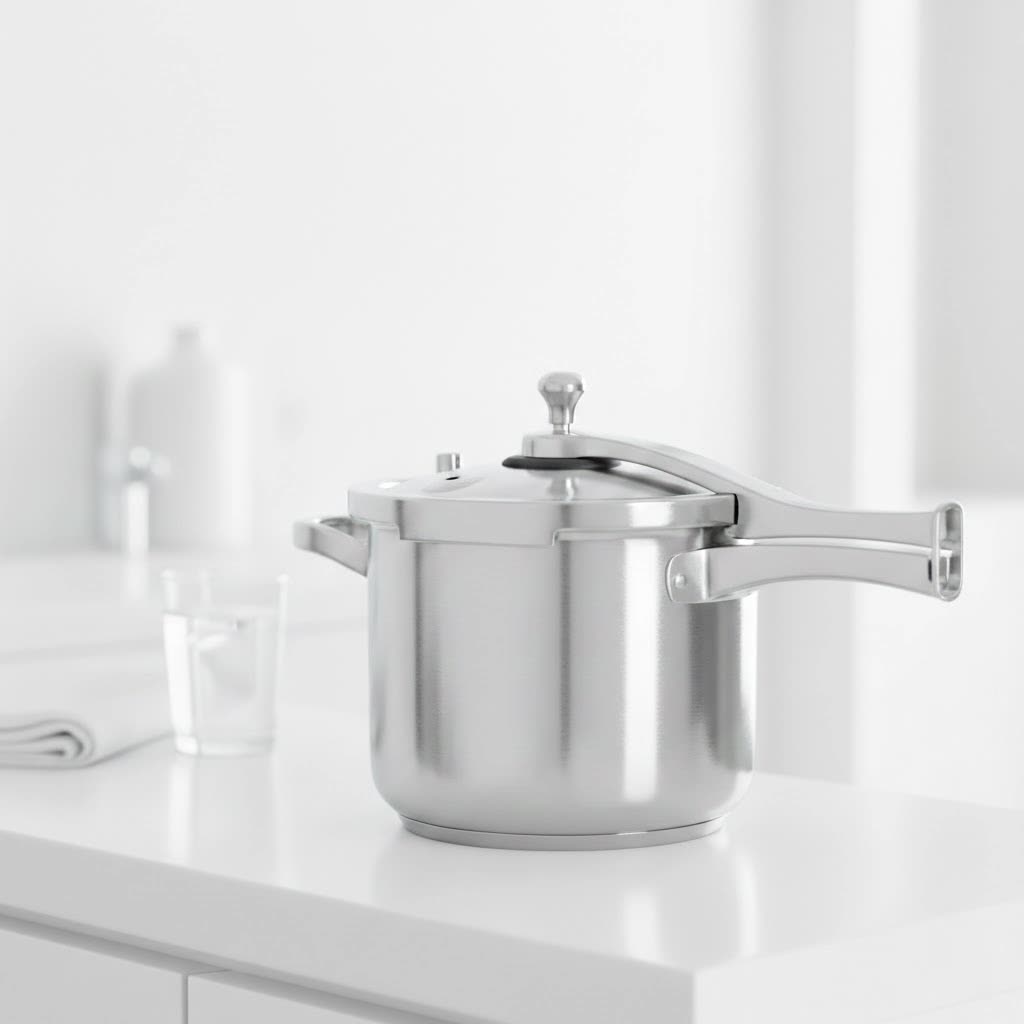
Are you tired of spending hours in the kitchen, waiting for tough cuts of meat to tenderize or dried beans to soften? An electric pressure cooker could be your culinary major upgrade. These versatile kitchen appliances offer a revolutionary way to prepare delicious, nutritious meals in a fraction of the time traditionally required. From weeknight dinners to gourmet feasts, understanding the capabilities and choosing the right model can improve your cooking experience, making it faster, easier, and more enjoyable.
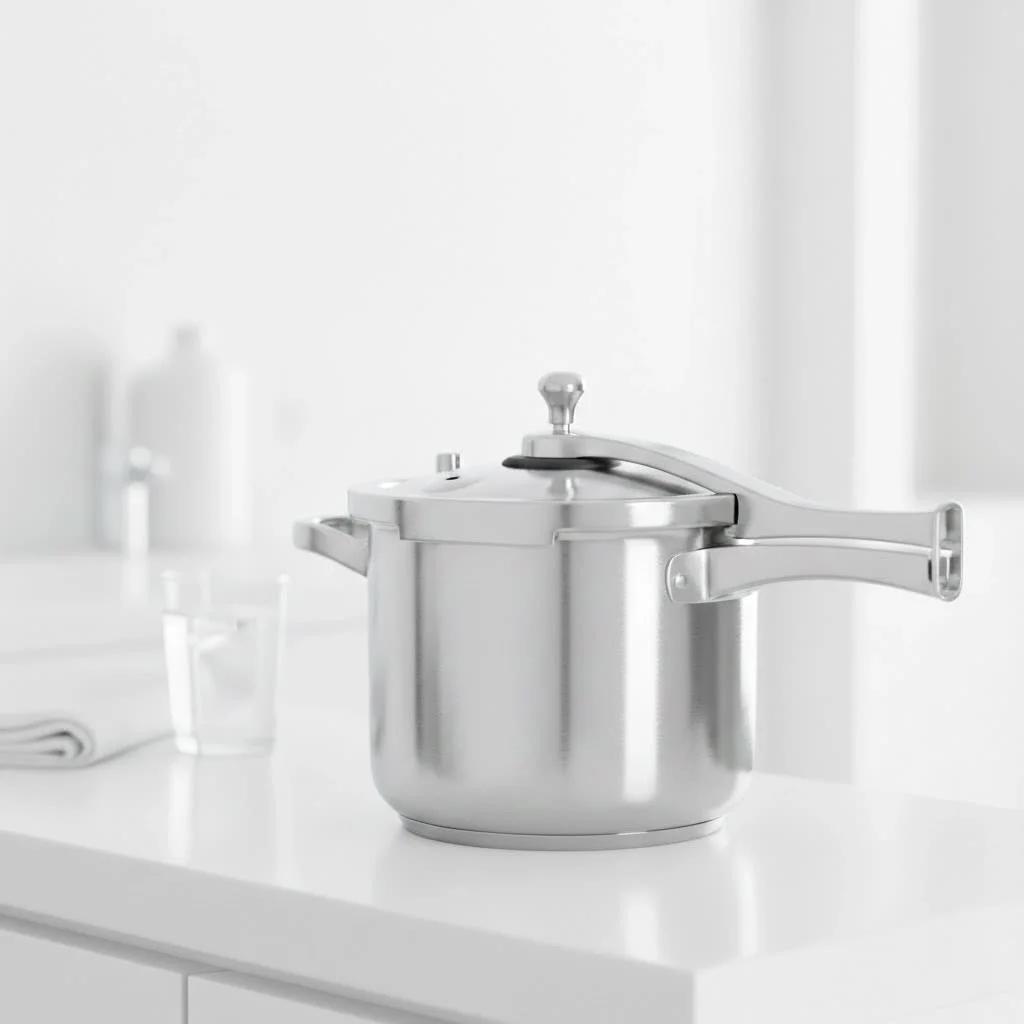
What is an Electric Pressure Cooker? Why Do You Need One?
An electric pressure cooker is a modern kitchen appliance that uses sealed, pressurized steam to cook food quickly. By creating a high-pressure environment, it raises the boiling point of water and forces liquid and moisture into the food, significantly accelerating cooking times compared to conventional methods. Many electric pressure cookers are also multi-cookers, combining several appliances into one, such as slow cookers, rice cookers, steamers, and sauté pans. For explore our pressure cookers reviews on this site.
The primary benefits of using an electric pressure cooker are immense. Firstly, they save considerable time, allowing you to prepare dishes like stews, roasts, and soups in minutes rather than hours. Secondly, pressure cooking helps retain nutrients and vibrant flavors, as food is cooked quickly with minimal liquid and exposure to air. This results in healthier meals with rich, concentrated tastes. Finally, the convenience of “set-and-forget” cooking, often with pre-programmed settings and automatic functions, makes meal preparation less stressful and more accessible for busy individuals and families.
Key Criteria for Choosing an Electric Pressure Cooker
Selecting the perfect electric pressure cooker involves considering several important factors to ensure it meets your specific cooking needs and lifestyle.
Capacity
The ideal capacity depends largely on your household size and cooking habits.
- 3-quart (approx. 3 liters): Suitable for 1-2 people or for side dishes.
- 6-quart (approx. 6 liters): The most popular size, versatile enough for 3-6 people, making it ideal for most families.
- 8-quart (approx. 8 liters) and larger: Best for larger families, meal prepping, or entertaining guests.
Material
The inner pot’s material significantly impacts performance and durability.
- Stainless Steel: Highly durable, rust-resistant, and non-reactive, making it a healthy choice. While some models may struggle with searing initially due to lower electric heat, stainless steel is generally preferred for its longevity and ease of cleaning.
- Non-stick: Often made of aluminum with a non-stick coating. These are excellent for sautéing and preventing food from sticking, but the coating can degrade over time with heavy use.
Safety Features
|
Our Picks for the Best Pressure Cooker in 2026
As an Amazon Associate I earn from qualifying purchases.
|
||
| Num | Product | Action |
|---|---|---|
| 1 | 3-In-1 Stainless Steel Pressure Cooker 8 QT: [Save 70% Time] [3 PSI Settings], One-Hand Locking, Induction Compatible, Glass Lid & Steamer Rack Included, Olla de Presion |
![Check 3-In-1 Stainless Steel Pressure Cooker 8 QT: [Save 70% Time] [3 PSI Settings], One-Hand Locking, Induction Compatible, Glass Lid & Steamer Rack Included, Olla de Presion on Amazon](https://reviewmylp.com/wp-content/plugins/amazon-tables/assets/images/buy.png)
|
| 2 | Fullwill 9-in-1 Electric Pressure Cooker(2025 Upgraded), 12 Presets Instant Multi Cooker, Olla de Presion Nonstick Pot 6 Quarts |
|
| 3 | Presto 01362 6-Quart Stainless Steel Pressure Cooker |
|
| 4 | Instant Pot Duo 7-in-1 Electric Pressure Cooker, Slow Cooker, Rice, Steamer, Sauté, Yogurt Maker, Warmer & Sterilizer, Includes App With Over 800 Recipes, Stainless Steel, 6 Quart |
|
| 5 | Instant Pot Duo 7-in-1 Mini Electric Pressure Cooker, Slow Rice Cooker, Steamer, Sauté, Yogurt Maker, Warmer & Sterilizer, Includes Free App with over 1900 Recipes, Stainless Steel, 3 Quart |
|
| 6 | Instant Pot Duo 7-in-1 Electric Pressure Cooker, Slow Cooker, Rice Cooker, Steamer, Sauté, Yogurt Maker, Warmer & Sterilizer, Includes App with Over 800 Recipes, Stainless Steel, 8 Quart |
|
| 7 | Barton Pressure Canner Release Valve Aluminum Canning Pot Cooker Pot Stove Top Instant Fast Cooking Pot Stewing Locking System (8 Quarts) |
|
| 8 | COSORI Pressure Cooker 6QT, Stainless Steel, 9-in-1 Multi Cooker, 12 Safety Features, Ceramic Inner Pot, Rice, Slow Cook, Sous Vide, Saute, 1100W |
|
| 9 | 18/8 Stainless Steel Pressure Cooker 8 Qt, [One-Hand Locking] Pressure Cooker,[3-In-1] Olla de Presion, Induction,Gas Stovetop Compatible, Includes Glass Lid & Steamer Rack |
|
| 10 | Presto 01264 6-Quart Aluminum Pressure Cooker, Silver |
|
Modern electric pressure cookers are designed with numerous safety mechanisms, making them significantly safer than older stovetop models. Look for:
- Automatic Pressure Release: Automatically vents steam to prevent over-pressurization.
- Lid Lock: Prevents the lid from being opened when the cooker is under pressure.
- Temperature Sensors: Monitors internal temperature to prevent overheating.
- Float Valve: A visual indicator that rises when the cooker is pressurized and drops when it’s safe to open.
- Anti-Block Shield: Prevents food particles from clogging the steam release valve.
Smart Features & Versatility
Many electric pressure cookers offer more than just pressure cooking.
- Pre-programmed Settings: Dedicated buttons for common foods like rice, beans, meat, soup, and yogurt simplify cooking.
- Custom Pressure Control: Advanced models, like the Breville Fast Slow Pro, allow precise adjustment of pressure levels (e.g., in 0.5 psi increments), offering greater control for specific recipes.
- Multi-Cooker Functions: Look for sauté, slow cook, steam, sous vide, and even air frying capabilities to maximize your appliance’s utility and save counter space.
- Wi-Fi Connectivity: Some models offer app control for monitoring and programming, though this feature might not be essential for all users.
Brand Reputation
Opting for well-established brands often ensures better quality, reliability, and customer support. Brands like Instant Pot, Breville, and Cosori have a strong presence in the electric pressure cooker market, known for their innovative designs and safety standards.
Comparing Popular Electric Pressure Cookers
| Brand | Model | Capacity | Key Features | Pros | Cons |
|---|---|---|---|---|---|
| Instant Pot | Pro 10-in-1 6-Quart | 6-Quart | 10-in-1 functions, stovetop-compatible inner pot, condensation cup, easy-grip handles, push-button release. | Fast pressurization, versatile, easy to use, sturdy construction. | Searing function within the cooker is not as effective. |
| Breville | Fast Slow Pro Cooker | 6-Quart | Precise pressure control (1.5-12 psi), dual probes (base/lid) for accuracy, automatic steam release. | Exceptional accuracy, superb results for specific dishes (e.g., risotto), high level of control. | Tricky lid alignment, smaller inner pot diameter, slower steam release than some models, higher price. |
| Instant Pot | Duo Plus 8-Quart V4 | 8-Quart | 9-in-1 functions, progress bar display, low/high pressure settings. | Great for large batches, affordable for its size, reliable, user-friendly. | Limited pressure customization (only low/high), searing can be uneven. |
| CHEF iQ | Smart Pressure Cooker | 6-Quart | Built-in scale, guided cooking recipes, automatic pressure release, sleek design. | Game-changing smart features, very easy to clean and assemble, fast pressurizing. | Outer lid can get hot during cooking. |
| COSORI | Electric Pressure Cooker | 6-Quart | Multi-functional, value-focused. | Great value for money, reliable performance for basic pressure cooking. | May lack some advanced features found in premium models. |
Top Electric Pressure Cookers Reviewed
Let’s dive deeper into some of the most highly-rated electric pressure cookers, highlighting their unique advantages and potential drawbacks.
Instant Pot Pro 10-in-1 6-Quart Pressure Cooker
The Instant Pot Pro 10-in-1 6-Quart Pressure Cooker stands out for its impressive versatility and user-friendly design. It consistently delivers fast pressurization, making quick work of your meals. A notable feature is its handled inner cookpot, which is unique among electric models for being safe to use on electric, induction, and ceramic stovetops, giving you enhanced searing capabilities outside the main unit. Users also appreciate the thoughtful condensation collection cup and the easy-to-navigate control panel with a simple dial and flush buttons. The push-button release and a protective plastic cover around the valve contribute to a stress-free and safe steam release. However, like many electric pressure cookers, its searing performance within the unit itself can be less intense than stovetop models, occasionally leading to food sticking.
Breville Fast Slow Pro Cooker
For those who demand ultimate precision and control over their cooking, the Breville Fast Slow Pro Cooker is an exceptional choice. This model pushes boundaries by allowing users to set their desired pressure from 1.5 to 12 psi in fine 0.5 psi increments, ensuring perfectly cooked results tailored to specific recipes. Its accuracy is further enhanced by dual temperature probes, one at the base and one in the lid, which allow it to adjust heat in real-time and maintain consistent pressure. This precise control yielded remarkably creamy risotto and perfectly textured beans during testing. While its LCD screen is clear and easy to read, some users might find the lid alignment a bit tricky to secure perfectly, and its steam release can be slower compared to other electric models.
Instant Pot Duo Plus 8-Quart Multi-Use Pressure Cooker V4
If you’re frequently cooking for a larger family, meal prepping, or hosting gatherings, the Instant Pot Duo Plus 8-Quart Multi-Use Pressure Cooker V4 offers ample capacity and reliable performance at a more accessible price point than the Pro series. Its 8-quart size is ideal for big batches, and it includes a helpful progress bar on the control panel to indicate preheating, cooking, or warming status. This model is praised for producing exceptionally tender meats, such as brisket. While it’s a solid choice for general electric pressure cooking, it offers fewer specialized features than the Pro model, with only basic low and high-pressure settings, which might limit customization for advanced recipes.
CHEF iQ Smart Pressure Cooker
The CHEF iQ Smart Pressure Cooker represents the next generation of kitchen appliances, integrating modern technology to simplify complex cooking tasks. Its standout feature is a built-in scale, eliminating the need for separate measuring cups and allowing for precise ingredient measurement directly in the pot. The guided cooking recipes, accessible through an accompanying app, further enhance the user experience, providing step-by-step instructions for a variety of dishes. With its automatic pressure release and easy assembly, it’s designed for convenience. Reviewers note its sleek matte black design and fast pressurizing capabilities. One consideration is that the outer lid can become quite hot during the cooking process.
How to Use and Maintain Your Electric Pressure Cooker
Maximizing the benefits and ensuring the longevity of your electric pressure cooker depends on proper usage and consistent maintenance.
Safe and Effective Use
The cornerstone of safe pressure cooking is ensuring a tight seal before starting. Without it, the pot won’t pressurize correctly. Always confirm the lid is locked securely and the sealing ring is properly seated. When cooking is complete, you have two primary methods for pressure release:
- Natural Release: The pressure slowly dissipates over time (15-30 minutes), ideal for foamy foods like beans or starchy dishes like pasta, and for foods that benefit from a little extra cooking.
- Quick Release: Manually vent the steam using the valve or switch. This is faster but should be used carefully as hot steam will escape rapidly. Always stand clear of the vent.
Crucially, never attempt to open the lid when the float valve is in the upright position, as this indicates the cooker is still pressurized. Always refer to your appliance’s manual for specific instructions and safety warnings, as each model can have unique features.
Cleaning and Care
To maintain your electric pressure cooker and extend its lifespan:
- After each use: Allow the pot to cool completely. Wash the inner pot, lid (including the sealing ring, anti-block shield, and steam release valve), and condensation collector with warm, soapy water. Ensure all components are thoroughly rinsed and dried.
- Sealing Ring: Periodically inspect the silicone sealing ring for cracks or damage. It’s recommended to replace it every 12-18 months or if you notice steam leaking. Some users keep a separate sealing ring for savory and sweet dishes to prevent flavor transfer.
- Exterior: Wipe the exterior housing with a damp cloth; never immerse the main unit in water.
- Storage: Store the lid loosely or upside down on the pot to allow air circulation and prevent odors from being trapped.
Where to Buy and Price Ranges
Electric pressure cookers are widely available, catering to various budgets and preferences.
Retail Channels
- Online Retailers: Amazon, Walmart, Target, and specialty kitchen appliance websites offer the widest selection, competitive pricing, and often user reviews that can aid in your decision.
- Electronics Superstores: Stores like Best Buy carry popular brands and models, allowing you to see products in person.
- Home Goods & Department Stores: Macy’s, Kohl’s, and other department stores often stock a range of kitchen appliances, including pressure cookers.
Price Segments
- Budget-friendly ($50-$100): You can find reliable basic models, often from brands like Cosori or entry-level Instant Pot Duo models, perfect for those new to pressure cooking or with simpler needs.
- Mid-range ($100-$200): This segment includes popular models like the Instant Pot Pro series, offering a good balance of features, performance, and durability for most users.
- Premium ($200+): Higher-end models like the Breville Fast Slow Pro or advanced smart cookers typically offer enhanced precision, more specialized functions, and superior build quality.
Buying Guide: Expert Tips for Your Purchase
Choosing an electric pressure cooker can feel overwhelming with so many options. Here are some expert tips to guide your decision:
- Determine Your Needs: Before looking at models, consider how often you’ll use it, what types of food you’ll cook, and how many people you’re typically feeding. This will help narrow down capacity and feature requirements.
- Research Product Information: Go beyond basic features. Understand the specific functions, materials, and safety mechanisms of any model you’re considering.
- Read User Reviews: Real-world experiences from other users can provide invaluable insights into a product’s performance, durability, and any common issues. Look for consistent feedback on ease of use, cleaning, and cooking results.
- Compare Prices Across Stores: Prices can vary significantly between retailers, especially during sales events. Use price comparison tools to ensure you’re getting the best deal.
- Check Warranty and Customer Service: A good warranty (typically 1 year for electric models) and responsive customer support can be crucial if you encounter any issues with your appliance.
Conclusion
An electric pressure cooker is more than just a kitchen gadget; it’s a powerful tool that can improve your cooking by delivering delicious, tender meals with remarkable speed and efficiency. Whether you’re a busy parent, an aspiring home chef, or simply looking to simplify your meal preparation, there’s an electric pressure cooker designed to meet your needs. By carefully considering capacity, key features, safety, and brand reputation, you can confidently select an appliance that will unlock a world of culinary possibilities in your kitchen.
Ready to improve your cooking routine and reclaim precious time? Which electric pressure cooker feature are you most excited to try first?
Frequently Asked Questions
Can I use my electric pressure cooker for canning?
While some advanced electric pressure cookers, like certain Instant Pot Pro models, may have canning functions, most standard electric pressure cookers are not suitable for safe home canning, especially for low-acid foods. Always check the manufacturer’s guidelines carefully, as stovetop pressure canners are generally recommended for canning.
What is the difference between an electric pressure cooker and a slow cooker?
An electric pressure cooker cooks food rapidly under high pressure, drastically reducing cooking times. A slow cooker, conversely, cooks food at lower temperatures over an extended period, ideal for tenderizing tough cuts of meat and developing deep flavors without supervision. Many electric pressure cookers offer both functions, providing greater versatility.
How do I prevent food from burning in an electric pressure cooker?
To prevent burning, ensure you always add enough liquid to create steam and pressure, typically a minimum of 1 cup unless the recipe specifies otherwise. Avoid overfilling the pot beyond the maximum fill line. The “Burn” error on many electric pressure cookers indicates insufficient liquid or food stuck to the bottom, prompting you to add more liquid or deglaze the pot.
Cooking gear we tested in our own kitchens
Free PDF — preheat times measured on 10 popular air fryers.
