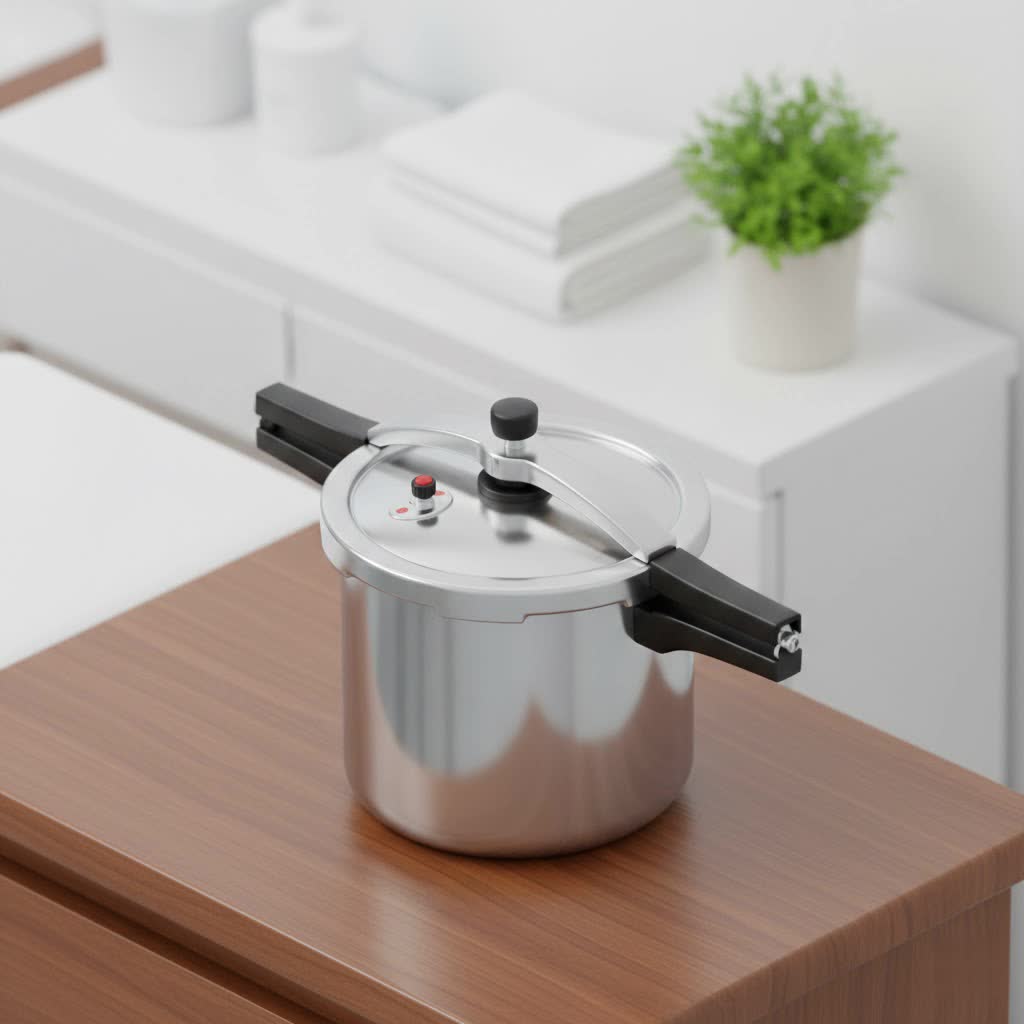
For over a decade, my work as a technician at Reviewmylp.com has immersed me in the intricate world of pressure cookers. From basic models to high-tech appliances, I’ve seen, repaired, and evaluated hundreds, gaining deep insights into their strengths, weaknesses, and common user challenges. This expertise forms the foundation for sharing valuable information and honest advice, particularly when it comes to the unique allure and complexities of Vintage Pressure Cookers.
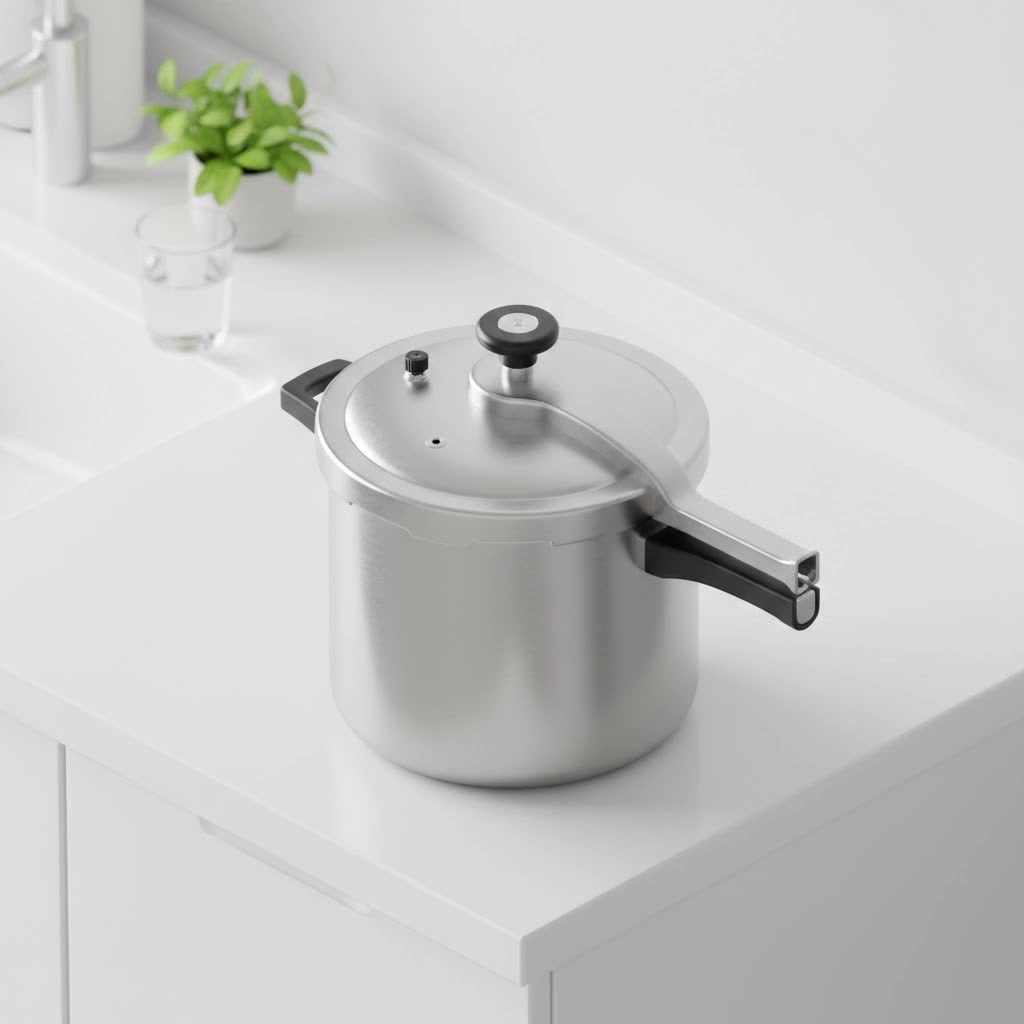
Have you ever stumbled upon an old pressure cooker in an antique shop, inherited one from a grandparent, or simply wondered about the robust culinary tools of yesteryear? Vintage pressure cookers hold a special place for many, evoking nostalgia for a time when kitchen appliances were built to last and often carried a story. This article delves into these fascinating relics, exploring their appeal, key characteristics, and, most importantly, the critical safety considerations for anyone interested in owning one.
What is a Vintage Pressure Cooker? Why the Enduring Fascination?
A vintage pressure cooker typically refers to a stove-top model manufactured several decades ago, often before the advent of multi-functional electric pressure cookers. These appliances were workhorses in kitchens, renowned for significantly reducing cooking times and tenderizing tough cuts of meat and vegetables. They operate on a simple principle: by sealing food and liquid in a pot, steam builds up, increasing the internal pressure and temperature beyond the normal boiling point of water, thus cooking food faster.
The enduring fascination with vintage pressure cookers isn’t just about their historical function; it’s deeply rooted in their aesthetic appeal, the craftsmanship of their construction, and the nostalgia they evoke. Many feature classic designs, sturdy materials like thick aluminum or early stainless steel, and a tangible sense of history. For some, they represent a tangible link to family heritage, a reminder of meals cooked with care in simpler times. For collectors, they are coveted pieces of kitchen Americana, each with its own story and design era.
Key Considerations When Exploring Vintage Pressure Cookers
Before you dive into acquiring or using a vintage pressure cooker, understanding several critical aspects is paramount. These machines, while built robustly, operate under significant pressure, and older models may lack the advanced safety mechanisms of modern counterparts.
Safety First
The most crucial consideration for any vintage pressure cooker is safety. Unlike modern units equipped with multiple redundant safety features, older models often had fewer safeguards. The primary concern is the integrity of the pot itself, its sealing mechanism, and its pressure release valves. Over decades, materials can degrade, leading to potential failures under pressure.
Risks of Deteriorated Materials and Outdated Safety Features:
- Metal Fatigue: Older aluminum, especially if subjected to harsh cleaning or repeated heating cycles, can develop microscopic cracks that might not be visible but could compromise the structural integrity of the pot or lid.
- Warped Bottoms or Lids: A warped bottom can prevent even heating, while a warped lid can hinder a proper seal, leading to steam leaks or dangerous pressure buildup.
- Outdated Gauges and Valves: Pressure gauges on older models can become inaccurate over time, leading to improper pressure regulation. Vent pipes and safety valves can become clogged or corroded, preventing them from releasing excess pressure safely.
- Gasket Issues: Rubber gaskets (sealing rings) in vintage cookers are often brittle, cracked, or simply missing. Without a pliable, intact gasket, the cooker cannot achieve or maintain pressure safely.
|
Our Picks for the Best Pressure Cooker in 2026
We may earn a commission when you use one of our links to make a purchase.
|
||
| Num | Product | Action |
|---|---|---|
| 1 | 3-In-1 Stainless Steel Pressure Cooker 8 QT: [Save 70% Time] [3 PSI Settings], One-Hand Locking, Induction Compatible, Glass Lid & Steamer Rack Included, Olla de Presion |
![Check 3-In-1 Stainless Steel Pressure Cooker 8 QT: [Save 70% Time] [3 PSI Settings], One-Hand Locking, Induction Compatible, Glass Lid & Steamer Rack Included, Olla de Presion on Amazon](https://reviewmylp.com/wp-content/plugins/amazon-tables/assets/images/buy.png)
|
| 2 | Instant Pot Duo 7-in-1 Mini Electric Pressure Cooker, Slow Rice Cooker, Steamer, Sauté, Yogurt Maker, Warmer & Sterilizer, Includes Free App with over 1900 Recipes, Stainless Steel, 3 Quart |
|
| 3 | Barton Pressure Canner Release Valve Aluminum Canning Pot Cooker Pot Stove Top Instant Fast Cooking Pot Stewing Locking System (8 Quarts) |
|
| 4 | Presto 01362 6-Quart Stainless Steel Pressure Cooker |
|
| 5 | 18/8 Stainless Steel Pressure Cooker 8 Qt, [One-Hand Locking] Pressure Cooker,[3-In-1] Olla de Presion, Induction,Gas Stovetop Compatible, Includes Glass Lid & Steamer Rack |
|
| 6 | Fullwill 9-in-1 Electric Pressure Cooker(2025 Upgraded), 12 Presets Instant Multi Cooker, Olla de Presion Nonstick Pot 6 Quarts |
|
| 7 | Instant Pot Duo 7-in-1 Electric Pressure Cooker, Slow Cooker, Rice, Steamer, Sauté, Yogurt Maker, Warmer & Sterilizer, Includes App With Over 800 Recipes, Stainless Steel, 6 Quart |
|
| 8 | Presto 01264 6-Quart Aluminum Pressure Cooker, Silver |
|
| 9 | COSORI Pressure Cooker 6QT, Stainless Steel, 9-in-1 Multi Cooker, 12 Safety Features, Ceramic Inner Pot, Rice, Slow Cook, Sous Vide, Saute, 1100W |
|
| 10 | Instant Pot Duo 7-in-1 Electric Pressure Cooker, Slow Cooker, Rice Cooker, Steamer, Sauté, Yogurt Maker, Warmer & Sterilizer, Includes App with Over 800 Recipes, Stainless Steel, 8 Quart |
|
Condition and Parts
A thorough inspection is non-negotiable. Look for:
- Dents and Cracks: Any significant dents, especially on the rim or lid, or visible cracks, immediately render the cooker unsafe for use.
- Missing or Damaged Parts: Crucial components include the gasket, vent pipe, pressure regulator (jiggler or weighted gauge), and safety fuse/valve. If any are missing or appear damaged, proceed with extreme caution.
- Handle Security: Loose or cracked handles can make moving a hot, pressurized cooker incredibly dangerous.
Availability of Replacement Parts: Finding exact replacement parts for very old or obscure vintage models can be a significant challenge. While common brands like Presto or Mirro might still have some gaskets or weights available from third-party sellers, specific model-dependent parts (like unique safety valves) are often impossible to source. This is especially true for models from the WWII era or earlier.
Material
Most vintage pressure cookers are made from either:
- Aluminum: Lightweight and an excellent heat conductor, aluminum was (and still is) a common material. However, older aluminum can corrode, pit, and develop stress cracks over time, making it less safe for pressure cooking.
- Early Stainless Steel: Less common in very old models compared to aluminum, but some exist. Stainless steel is more durable and less prone to pitting or corrosion than aluminum, but it can still suffer from metal fatigue or warped bottoms.
Brands and Collectibility
Several brands dominate the vintage pressure cooker market, often sought after for their iconic designs or historical significance:
- Presto: A ubiquitous name, Presto has produced countless pressure cooker models over the decades, many of which are still found today.
- National: Another popular early manufacturer, National models are often recognized for their robust construction.
- Mirro-Matic: Known for their distinct designs and quality, Mirro-Matic cookers are frequently seen in vintage collections.
- All-American: Famous for their heavy-duty cast aluminum canners with metal-to-metal seals (gasket-free), which are highly prized by collectors and some canners, though their age still demands rigorous inspection.
- Wear-Ever: Produced sturdy aluminum pressure cookers that are often found in good cosmetic condition.
Factors influencing collector value include rarity, condition, completeness (original manual, accessories), and unique design elements.
Vintage vs. Modern Pressure Cookers: A Detailed Comparison
When considering a pressure cooker, it’s essential to understand the fundamental differences between vintage and modern appliances, especially concerning functionality and safety.
| Feature | Vintage Pressure Cooker | Modern Pressure Cooker (Stovetop & Electric) |
|---|---|---|
| Safety Features | Basic (weighted gauge, single overpressure plug) | Multiple redundant systems (spring valve, vent pipe, lid lock, safety release valves, automatic pressure sensors) |
| Material | Primarily aluminum, some early stainless steel | Stainless steel, hard-anodized aluminum, electric models with non-stick interiors |
| Gaskets/Seals | Rubber gaskets prone to hardening/cracking, some gasket-free designs (All-American) | Durable silicone gaskets, often replaceable; electric models have complex sealing systems |
| Pressure Regulation | Weighted gauges (jigglers) or dial gauges | Weighted gauges, spring valves, or precise electronic controls |
| Ease of Finding Parts | Challenging for many models, especially unique safety components | Generally easy to find replacement gaskets, valves, and other parts from manufacturers |
| Cooking Efficiency | Effective for basic pressure cooking | Highly efficient, often with programmed settings for various foods |
| Collectibility/Aesthetic | High for enthusiasts and decorators | Low, primarily utilitarian |
| Ease of Use | Requires more manual monitoring and experience | User-friendly, often with digital displays and preset programs |
While vintage pressure cookers offer charm and robust build quality, modern units prioritize user safety and convenience. The advancements in materials science, engineering, and digital controls have made contemporary pressure cookers significantly safer and more versatile for everyday use.
Top Vintage Pressure Cooker Brands Appreciated Today
Several brands stand out in the vintage pressure cooker market for their quality, history, or unique characteristics.
- Presto: Perhaps the most recognizable name, Presto pressure cookers are plentiful. Models like the Presto 409A or various canners are frequently found. They are known for their classic aluminum build and simple weighted gauge systems.
- National Pressure Cooker: Often heavy-duty aluminum, National models are sturdy and represent a significant part of pressure cooking history. Some collectors specifically seek out early “National” branded cookers.
- Mirro-Matic: These cookers often feature attractive designs and solid construction. Mirro-Matic models with their distinctive jiggler weights are common and evoke a strong sense of mid-century kitchenware.
- All-American Pressure Canner: While technically canners, these heavy cast aluminum units are iconic. Their metal-to-metal seal (requiring no gasket) is a unique feature. They are highly valued for their durability, though their weight and specialized design mean they are less common as everyday “cookers.”
These brands represent a bygone era of kitchen appliance manufacturing, cherished today for their durability and historical value, though their practical use requires careful consideration.
Restoring and Maintaining Your Vintage Pressure Cooker
If you own a vintage pressure cooker, especially one intended for display, cleaning and cosmetic restoration can bring out its original charm.
- Cleaning: For aluminum cookers, a paste of cream of tartar and water or a specialized aluminum cleaner can restore shine. For stainless steel, gentle abrasive cleaners can remove tarnish. Always clean vent pipes and safety valve openings with a small brush to remove any residue, even if only for display.
- Cosmetic Restoration: Minor dents can sometimes be carefully worked out, but structural damage should never be ignored. Replacing old handles with era-appropriate (non-functional, for display) replicas can enhance appearance.
Crucial Safety Warning: If you intend to use a vintage pressure cooker for cooking or, more critically, for pressure canning, it is imperative to have it professionally inspected by a qualified expert or a manufacturer-certified service center. Many experts and manufacturers advise against using very old models for actual cooking or canning due to the risks of material fatigue, unseen damage, and unreliable safety mechanisms. “It’s not worth the risk of botulism to fiddle around with questionable equipment,” as one experienced user aptly put it, highlighting the dangers of using compromised canning equipment. Many older pressure cookers are best kept as nostalgic relics rather than functional cooking tools.
For display purposes, sourcing era-appropriate parts like original instruction manuals, racks, or weights can complete a collection. These add historical authenticity without posing safety risks.
Where to Find Vintage Pressure Cookers and What to Expect
The hunt for a vintage pressure cooker can be an exciting endeavor for collectors and enthusiasts.
- Antique Shops and Flea Markets: These are treasure troves where unique and well-preserved models often surface. You might find a hidden gem at a bargain price.
- Online Marketplaces: Websites like Etsy and eBay are prime locations. You’ll find a wide array of brands and models, often with sellers specializing in vintage kitchenware. Prices can vary widely based on condition, rarity, and brand.
- Estate Sales and Auctions: These can yield excellent finds, often from original owners, potentially including accompanying manuals or accessories.
What to Expect and Buying Tips:
- “Untested” Warnings: Be prepared to see many vintage pressure cookers listed as “untested” online. This means the seller hasn’t verified its functionality or safety. Assume it’s for display unless you plan extensive restoration and professional inspection.
- Request Detailed Photos: For online purchases, ask for clear, high-resolution photos of the interior, lid rim, base, and all safety components.
- Price Ranges: Prices can range from under $50 for a basic, well-used aluminum model to several hundred dollars for rare, pristine, or highly collectible cast aluminum canners like the All-American.
Expert Advice: Navigating the World of Vintage Pressure Cookers
From my vantage point as a seasoned technician, I offer this earnest advice: embrace vintage pressure cookers for their historical value, their beautiful craftsmanship, and the stories they tell. They are wonderful display pieces that add character and a touch of history to any kitchen.
However, when it comes to cooking, especially canning, safety must be your absolute priority. The potential risks associated with outdated or compromised safety features, corroded materials, and impossible-to-replace critical parts often outweigh the nostalgic desire to use them for food preparation. Modern pressure cookers and canners are engineered with advanced safety mechanisms that simply did not exist in older models, offering peace of mind and reliable performance.
If the goal is to enjoy the benefits of pressure cooking today, invest in a new, certified pressure cooker. If the allure of the past calls to you, acquire a vintage model for its beauty and history, but treat it as a cherished relic, not a primary cooking appliance. Enjoy the journey of discovery, but always prioritize the safety of your home and loved ones.
Frequently Asked Questions
Are vintage pressure cookers safe for cooking?
Many experts and manufacturers advise against using very old vintage pressure cookers for cooking, especially for pressure canning. Over time, materials can degrade, and safety mechanisms can become unreliable, posing significant risks. They are generally safer for display purposes only, unless professionally inspected and certified.
What are the most collectible vintage pressure cooker brands?
Brands like Presto, National, Mirro-Matic, Wear-Ever, and particularly All-American (especially their gasket-free canners) are highly sought after by collectors. Rarity, condition, and historical significance also play a big role in their collectibility.
Can I replace parts on an old pressure cooker?
Replacing common wear-and-tear parts like rubber gaskets might be possible for some popular vintage brands through third-party suppliers. However, finding replacement safety valves, gauges, or specific lid components for very old or less common models can be extremely difficult, often impossible.
How do I clean a vintage aluminum pressure cooker?
For cosmetic cleaning, you can use a paste made from cream of tartar and water to restore shine to aluminum. Avoid harsh abrasives or strong detergents that can pit or discolor the metal. Always ensure any internal components like vent pipes are free of debris.
What’s the difference between a pressure cooker and a pressure canner?
While both use pressure to cook, a pressure canner is specifically designed to reach and maintain higher, more precise temperatures and pressures required for safe home canning of low-acid foods. Pressure cookers are typically smaller and used for faster meal preparation, though some larger pressure cookers can also function as canners if they meet specific USDA canning guidelines for pressure and capacity.