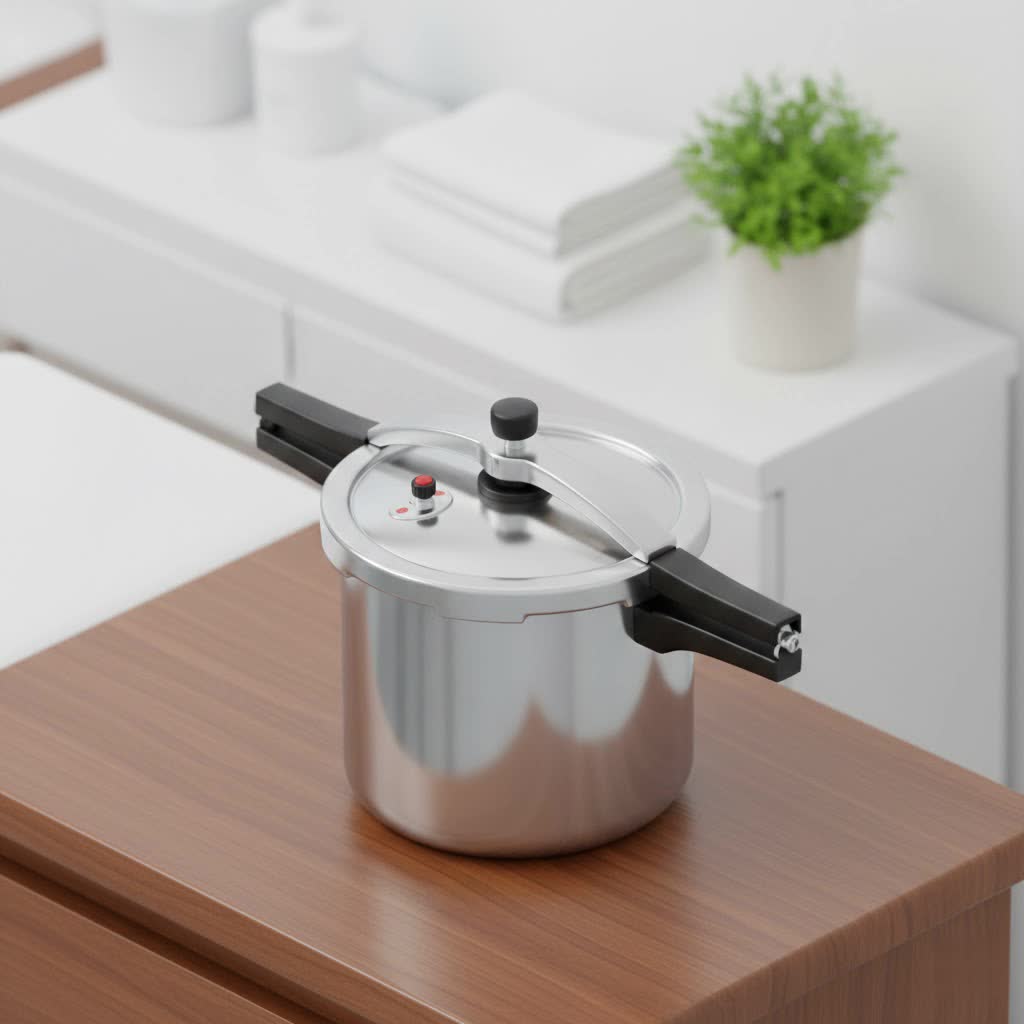
Imagine a busy weeknight, your stomach rumbling, and the thought of perfectly fluffy, evenly cooked rice seems like a distant dream. This is where the Rice Pressure Cooker steps in as a true kitchen hero, transforming meal preparation. With its promise of speed, efficiency, and consistently delicious results, a dedicated rice pressure cooker can revolutionize how you approach cooking, especially if rice is a staple in your diet. But with a myriad of options available, from basic models to high-tech marvels, selecting the right one can feel daunting. This guide will walk you through everything you need to know to make an informed decision, ensuring you bring home a culinary appliance that perfectly matches your lifestyle.
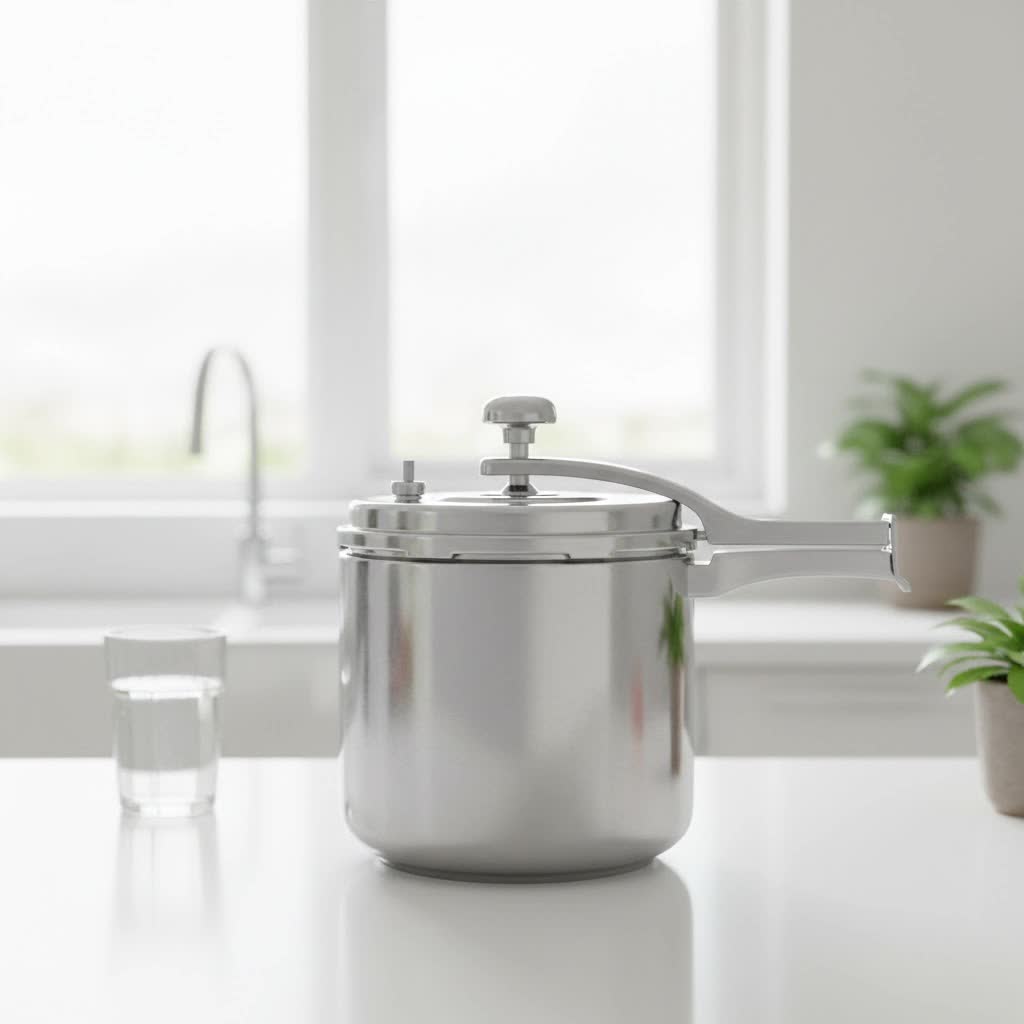
What is a Rice Pressure Cooker? Why Do You Need One?
A rice pressure cooker is a specialized kitchen appliance designed to cook rice under high-pressure conditions, significantly reducing cooking time compared to traditional methods. By sealing in steam, it raises the boiling point of water and cooks food at a higher temperature, leading to faster and more thorough cooking.
The benefits of using a pressure cooker for rice are numerous. First and foremost is the incredible time-saving aspect. What might take 20-40 minutes on a stovetop can often be done in half the time or less with a pressure cooker. Beyond speed, these appliances are renowned for delivering consistent results; say goodbye to undercooked or mushy rice. The sealed environment also helps to retain nutrients and flavors, as vitamins and minerals are less likely to dissipate with steam. Furthermore, pressure cooking is energy-efficient because it requires less cooking time, and it offers the convenience of hands-off cooking, freeing you up to prepare other dishes.
You’ll find two main types of pressure rice cookers: traditional stovetop pressure cookers and electric models. Electric rice pressure cookers, often multi-cookers like the Instant Pot or dedicated electric units from brands like Zojirushi or Cuckoo, combine the benefits of pressure cooking with modern features and precise controls, making them incredibly popular choices for the contemporary kitchen.
Essential Criteria for Choosing Your Ideal Rice Pressure Cooker
Selecting the perfect rice pressure cooker involves considering several key factors that cater to your specific cooking habits and household needs. Let’s explore these crucial criteria.
Capacity
The right size ensures you can cook enough rice for everyone without waste or the need for multiple batches.
- Small (3 cups or less uncooked rice): Ideal for individuals, couples, or those who rarely have leftovers. Perfect for preparing a single serving quickly.
- Medium (3-5 cups uncooked rice): Suits small families (2-4 people) or individuals who enjoy meal prepping a few servings.
- Large (6 cups or more uncooked rice): Best for larger families, frequent entertainers, or anyone who consistently cooks big batches of rice.
|
Our Picks for the Best Pressure Cooker in 2026
We may earn a commission when you use one of our links to make a purchase.
|
||
| Num | Product | Action |
|---|---|---|
| 1 | Fullwill 9-in-1 Electric Pressure Cooker(2025 Upgraded), 12 Presets Instant Multi Cooker, Olla de Presion Nonstick Pot 6 Quarts |

|
| 2 | COSORI Pressure Cooker 6QT, Stainless Steel, 9-in-1 Multi Cooker, 12 Safety Features, Ceramic Inner Pot, Rice, Slow Cook, Sous Vide, Saute, 1100W |
|
| 3 | 3-In-1 Stainless Steel Pressure Cooker 8 QT: [Save 70% Time] [3 PSI Settings], One-Hand Locking, Induction Compatible, Glass Lid & Steamer Rack Included, Olla de Presion |
|
| 4 | Presto 01362 6-Quart Stainless Steel Pressure Cooker |
|
| 5 | Barton Pressure Canner Release Valve Aluminum Canning Pot Cooker Pot Stove Top Instant Fast Cooking Pot Stewing Locking System (8 Quarts) |
|
| 6 | Instant Pot Duo 7-in-1 Electric Pressure Cooker, Slow Cooker, Rice, Steamer, Sauté, Yogurt Maker, Warmer & Sterilizer, Includes App With Over 800 Recipes, Stainless Steel, 6 Quart |
|
| 7 | 18/8 Stainless Steel Pressure Cooker 8 Qt, [One-Hand Locking] Pressure Cooker,[3-In-1] Olla de Presion, Induction,Gas Stovetop Compatible, Includes Glass Lid & Steamer Rack |
|
| 8 | Presto 01264 6-Quart Aluminum Pressure Cooker, Silver |
|
| 9 | Instant Pot Duo 7-in-1 Electric Pressure Cooker, Slow Cooker, Rice Cooker, Steamer, Sauté, Yogurt Maker, Warmer & Sterilizer, Includes App with Over 800 Recipes, Stainless Steel, 8 Quart |
|
| 10 | Instant Pot Duo 7-in-1 Mini Electric Pressure Cooker, Slow Rice Cooker, Steamer, Sauté, Yogurt Maker, Warmer & Sterilizer, Includes Free App with over 1900 Recipes, Stainless Steel, 3 Quart |
|
Material
The materials used in a rice pressure cooker impact its durability, cooking performance, and safety.
- Inner Pot: Most inner pots are made from either stainless steel or non-stick ceramic coated aluminum. Stainless steel is highly durable, non-reactive, and easy to clean, though rice can sometimes stick. Non-stick coatings offer effortless food release and cleaning but may require more careful handling to prevent scratching.
- Lid: A high-quality lid, often made from 304 stainless steel, provides excellent heat resistance, corrosion protection, and contributes to overall safety and durability. Avoid flimsy materials that might compromise pressure sealing.
Safety Features
Operating under pressure demands robust safety mechanisms. Modern rice pressure cookers come equipped with multiple features to ensure safe operation.
- Automatic Pressure Release Valve: Automatically releases excess pressure to prevent over-pressurization.
- Safety Lock Lid: Prevents the lid from being opened while the cooker is pressurized.
- Temperature and Pressure Sensors: Monitor internal conditions and adjust cooking parameters for optimal results and safety.
- Anti-Block Shield: Prevents food particles from blocking the steam release valve.
Functionality and Presets
Beyond basic rice cooking, many electric models offer enhanced versatility.
- Dedicated Rice Settings: Look for presets specifically for different types of rice such as white rice, brown rice, jasmine, basmati, or sushi rice, as these optimize cooking times and pressure for ideal texture.
- Multi-Cooker Functions: Many pressure cookers double as multi-cookers, offering functions like slow cooking, steaming, sautéing, yogurt making, and even cake baking. This versatility can replace several other kitchen appliances, saving space and money.
Heating Technology
The way heat is generated and distributed significantly affects rice quality.
- Induction Heating (IH): Advanced models often use IH technology, which creates a magnetic field to heat the entire inner pot directly and evenly. This results in incredibly precise temperature control and superior rice texture, making each grain perfectly cooked.
- Spiral Pressure Heating: Offers even, high-density heat distribution, which is superior to basic plate heating for preserving flavor and texture.
User-Friendliness
An intuitive interface makes cooking a pleasure, not a chore.
- Digital Displays: Clear, easy-to-read digital displays simplify selecting settings and monitoring cooking progress.
- Intuitive Controls: User-friendly buttons or touchscreens make operation straightforward, even for beginners.
- Smart Features: Some high-end models offer smart connectivity, allowing you to control and monitor cooking via a smartphone app.
Brand Reputation
Reputable brands often invest heavily in research and development, ensuring higher quality, durability, and better customer support. Brands like Zojirushi, Cuckoo, and Instant Pot are frequently cited for their excellent rice pressure cookers, known for consistent performance and innovative features.
Comparing Popular Rice Pressure Cooker Types
The market offers a diverse range of rice pressure cookers, each with unique advantages. Understanding these differences will help you choose the best fit for your kitchen.
Stovetop Pressure Cookers
These are the traditional workhorses, relying on external heat from your stove.
- Pros: Often more affordable, highly durable, no electronic components to fail, can reach higher pressures than some electric models. Excellent for general pressure cooking of many foods, including rice.
- Cons: Require manual monitoring of pressure and heat adjustments, less consistent results for rice compared to dedicated electric models without experience, usually lack specific rice settings, and no “keep warm” function.
Electric Pressure Cookers (Multi-Cookers like Instant Pot)
These popular appliances are renowned for their versatility and ease of use.
- Pros: Multi-functionality (pressure cook, slow cook, steam, sauté, yogurt, etc.), pre-programmed settings for various dishes including different rice types, automatic pressure regulation, built-in safety features, and a “keep warm” function. They offer a hands-off cooking experience.
- Cons: Can be larger and take up more counter space than stovetop models, might have a slight learning curve for optimizing rice texture for specific varieties, and the inner pot is often non-stick coated, requiring care.
Dedicated Electric Pressure Rice Cookers (e.g., Zojirushi, Cuckoo IH models)
These are specifically engineered to produce superior rice quality.
- Pros: Unparalleled precision and consistency for rice, often featuring advanced Induction Heating (IH) technology for even cooking, micro-computerized (Micom) or “Neuro Fuzzy” logic to adjust cooking based on rice type, and multiple settings for white, brown, mixed, sweet, and sushi rice. Many have extended “keep warm” cycles that maintain rice quality for hours.
- Cons: Significantly higher price point, generally less versatile for cooking other types of food compared to multi-cookers, and typically larger in size.
Comparison Table: Rice Pressure Cooker Types
| Feature | Stovetop Pressure Cooker | Electric Multi-Cooker (e.g., Instant Pot) | Dedicated Electric Pressure Rice Cooker (e.g., Zojirushi IH) |
|---|---|---|---|
| Primary Function | General Pressure Cooking | Multi-functional (Rice, Stews, Soups) | Optimal Rice Cooking |
| Ease of Use | Manual Monitoring | Automated, Presets | Highly Automated, Specialized Rice Programs |
| Rice Quality | Good (with practice) | Very Good | Excellent, Superior Texture & Consistency |
| Versatility | High (for pressure food) | Extremely High (many cooking modes) | Low (focused on rice) |
| Safety Features | Basic, Manual Release | Advanced, Multiple Automatic Safeties | Advanced, Specialized for Rice Cooking |
| Price Range | Low to Mid | Mid to High | High to Premium |
| Key Advantage | Durable, Affordable | Versatility, Convenience | Unmatched Rice Perfection |
Top Rice Pressure Cookers on the Market
While specific models evolve, certain brands consistently excel in the rice pressure cooker category.
- Zojirushi: Often considered the gold standard for dedicated electric rice cookers, especially their IH and Neuro Fuzzy models. They are praised for producing perfectly textured rice every time, thanks to advanced technology and precise temperature control. They offer various capacities suitable for different households.
- Cuckoo: A leading Korean brand, Cuckoo rice pressure cookers are highly regarded for their robust build and ability to cook a wide range of Asian rice varieties, often featuring powerful pressure cooking and advanced heating systems.
- Instant Pot: While a multi-cooker, the Instant Pot is incredibly popular for cooking rice due to its speed and ease of use. Many models have a dedicated “Rice” preset, and with the right water ratios, it can produce excellent fluffy rice. It offers great value for money due to its extensive versatility beyond just rice.
- Aroma Housewares and Dash Mini: These brands offer more budget-friendly and compact options, suitable for smaller households or those new to rice cookers. While they might not have all the advanced features of premium brands, they can still deliver satisfactory results for basic rice cooking.
> “The secret to perfectly cooked rice isn’t just the grain; it’s the consistent and even application of heat and pressure. That’s where a quality rice pressure cooker truly shines.” – Chef Elena Rodriguez, Culinary Expert
How to Use and Maintain Your Rice Pressure Cooker for Perfect Results
Achieving consistently perfect rice involves more than just pressing a button. Proper usage and maintenance are key to unlocking your appliance’s full potential and ensuring its longevity.
Safe and Effective Usage Tips
- Rinse Your Rice: For most white rice varieties (jasmine, basmati), rinsing thoroughly under cold water until the water runs clear helps remove excess starch. This prevents clumping and results in fluffier, more separated grains. Brown rice often doesn’t require rinsing.
- Accurate Water-to-Rice Ratio: This is arguably the most critical factor. While stovetop methods vary, electric pressure cookers often use a 1:1 ratio for white rice (1 cup rice to 1 cup water). Always consult your specific cooker’s manual, as ratios can differ by model and rice type. For brown or wild rice, a slightly higher water ratio might be needed, and sometimes a longer soaking time before cooking can improve texture.
- Do Not Overfill: Never exceed the maximum fill line indicated inside your pressure cooker pot. Overfilling can lead to improper pressure buildup, poor cooking, or even safety hazards.
- Natural Pressure Release (NPR) vs. Quick Release (QR): For rice, Natural Pressure Release (NPR) is almost always recommended. This allows the pressure to dissipate gradually, resulting in better-cooked, more evenly textured grains and preventing foaming or scorching. A quick release (manually opening the valve) can sometimes lead to mushy or gummy rice.
- Fluffing: Once cooking is complete and pressure has fully released, open the lid and gently fluff the rice with a fork or rice paddle. This releases residual steam and ensures an even texture.
Cleaning and Maintenance
Regular cleaning is vital for both hygiene and the appliance’s lifespan.
- Inner Pot: For non-stick pots, use a soft sponge and mild detergent. Avoid abrasive scrubbers that can damage the coating. Stainless steel pots can handle a bit more scrubbing, but gentle cleaning is always best.
- Lid and Sealing Ring: Detach the sealing ring and wash it thoroughly with warm, soapy water. Food particles can get trapped, affecting the seal and accumulating odors. Ensure the sealing ring is properly re-seated before each use.
- Vents and Valves: Check the steam release valve and anti-block shield for any food debris and clean them as per the manufacturer’s instructions to ensure proper pressure regulation.
- Exterior: Wipe the exterior of the cooker with a damp cloth; never immerse the main unit in water.
- Storage: Ensure all components are completely dry before reassembling and storing to prevent mold or odors.
Where to Buy Your Rice Pressure Cooker and What to Expect in Terms of Price
The journey to owning a rice pressure cooker involves knowing where to find the best deals and understanding the typical price landscape.
Reputable Purchasing Channels
- Electronics Retailers: Large electronics stores often carry a good selection of electric multi-cookers and dedicated rice cookers from various brands.
- Home Goods Stores: Many department stores and specialized kitchenware shops will also stock a range of models.
- Online Marketplaces: Websites like Amazon, along with the official brand websites (e.g., Zojirushi, Cuckoo, Instant Pot), offer the widest selection, often with competitive pricing and detailed customer reviews.
Price Segmentation
Rice pressure cookers come in a broad range of price points, reflecting their features, brand, and technology.
- Budget-Friendly ($30 – $80): These typically include basic electric rice cookers or entry-level stovetop pressure cookers. They are functional but may lack advanced features or specialized rice settings.
- Mid-Range ($80 – $200): This segment includes popular electric multi-cookers like many Instant Pot models and some standard electric rice cookers. They offer a good balance of features, performance, and value.
- High-End/Premium ($200+): Dominated by dedicated electric pressure rice cookers from brands like Zojirushi and Cuckoo, especially those featuring IH technology. These are a significant investment but promise unparalleled rice quality, consistency, and durability.
When purchasing, always consider the warranty and customer support offered by the brand and retailer. A good warranty provides peace of mind and protects your investment.
Buying Guide: Expert Advice for Your Perfect Purchase
As a technician with over a decade of experience, I’ve seen countless pressure cookers and understand what truly makes one stand out. Here’s my concise advice to help you make an informed decision:
- Define Your Needs Clearly: How many people do you cook for? How often do you eat rice? Do you want a dedicated rice cooker or a versatile multi-cooker? Answering these questions will narrow down your choices significantly.
- Prioritize Safety: Always choose a model with multiple, robust safety features. This is non-negotiable for any pressure cooking appliance.
- Read User Reviews: Beyond expert reviews, delve into user feedback. Real-world experiences often highlight practical pros and cons not immediately apparent. Look for comments on rice texture, ease of cleaning, and durability.
- Consider Heating Technology: If consistently perfect rice is your top priority and budget allows, invest in a model with Induction Heating (IH) or advanced micro-computerized features. The difference in rice quality is often remarkable.
- Balance Price with Value: The cheapest option isn’t always the most economical in the long run. A slightly higher investment in a reputable brand with superior features can offer better performance, durability, and a more satisfying cooking experience over time.
Making a smart choice means selecting an appliance that will serve your household efficiently and safely for years to come.
Conclusion
The rice pressure cooker stands as a testament to modern kitchen innovation, offering a pathway to perfectly cooked rice with remarkable speed and minimal effort. Whether you’re a busy professional seeking convenience, a culinary enthusiast chasing the ideal grain, or a family aiming for consistent, nutritious meals, there’s a pressure cooker designed for your needs. From the versatile multi-cooker to the specialized IH rice master, understanding the key features, benefits, and maintenance requirements will empower you to choose an appliance that not only meets but exceeds your culinary expectations.
What kind of rice dish will you master first with your new pressure cooker?
Frequently Asked Questions
Is pressure-cooked rice healthier than conventionally cooked rice?
Pressure cooking rice can offer health benefits. The reduced cooking time helps preserve more heat-sensitive vitamins and minerals. While some sources suggest it might lead to increased starch consumption, other studies indicate that pressure-cooked rice can result in a lower glucose response compared to non-pressure cooked rice at certain intervals, making it potentially more digestible and beneficial for some.
Can you cook all types of rice in a pressure cooker?
Yes, a pressure cooker is capable of cooking virtually all types of rice, including white, brown, jasmine, basmati, wild, and sushi rice. However, it’s crucial to adjust the water-to-rice ratio and cooking times according to the specific type of rice to achieve the best texture.
What is the ideal water-to-rice ratio for pressure cooking?
For most white rice varieties in an electric pressure cooker, a 1:1 ratio (one cup of rice to one cup of water) is a common starting point. Brown rice typically requires slightly more water, around 1:1.25 or 1:1.5. Always refer to your pressure cooker’s manual and experiment to find your preferred texture.
How long does it take to cook rice in a pressure cooker?
Pressure cooking rice is significantly faster than stovetop methods. White rice can often cook in as little as 3-5 minutes of active pressure cooking time, followed by a natural pressure release. Brown rice might take 15-20 minutes. The total time, including pressure build-up and release, is still much shorter than conventional methods.
Can I use my Instant Pot as a rice pressure cooker?
Absolutely. The Instant Pot is a highly popular electric multi-cooker that functions exceptionally well as a rice pressure cooker. Most models come with a dedicated “Rice” preset, and with proper water ratios and natural pressure release, it delivers consistent and delicious results for various rice types.