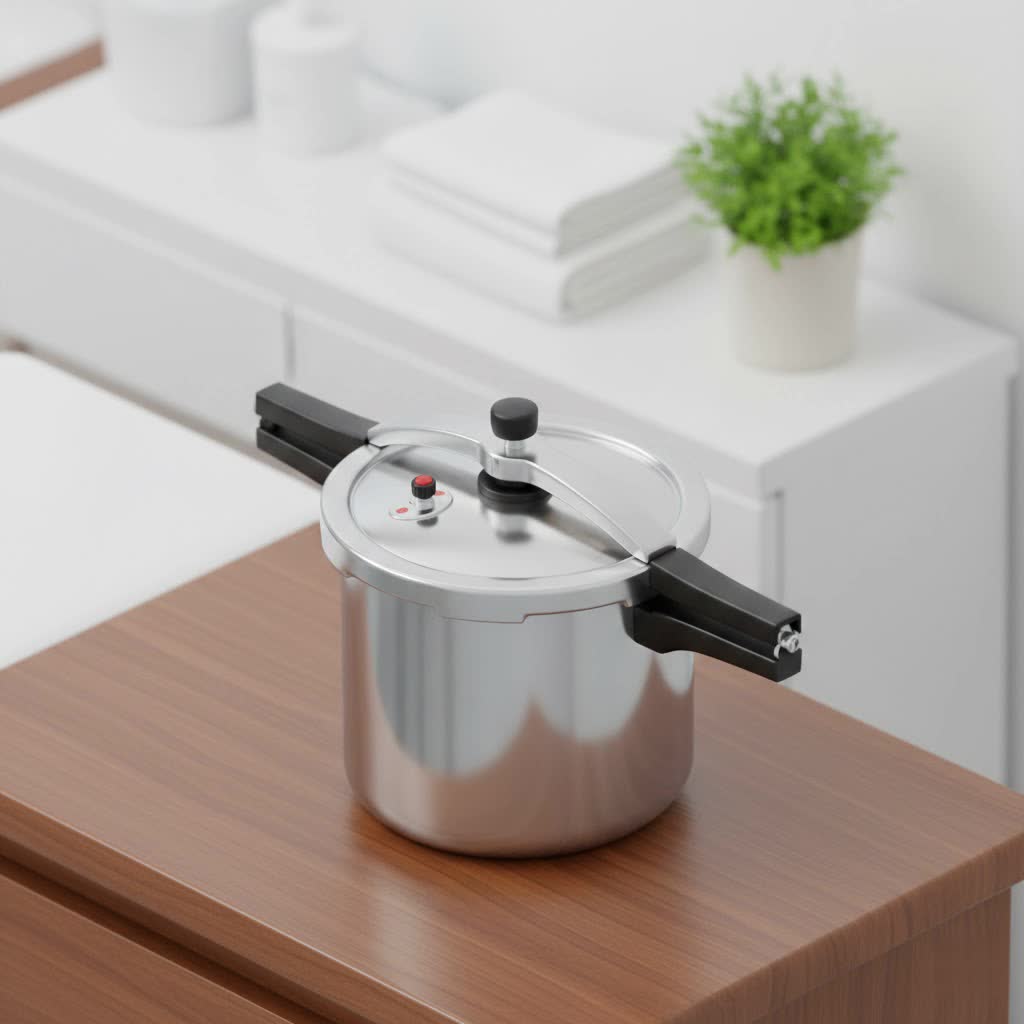
Imagine sinking your teeth into tender, succulent ribs, where the meat effortlessly glides off the bone, bursting with rich, smoky flavor. For many, achieving this dream involves hours of slow cooking or constant tending to a grill. But what if we told you there’s a faster, more efficient way to enjoy restaurant-quality ribs right in your own kitchen? Enter the pressure cooker – a culinary game-changer that transforms tough cuts into melt-in-your-mouth masterpieces in a fraction of the time.
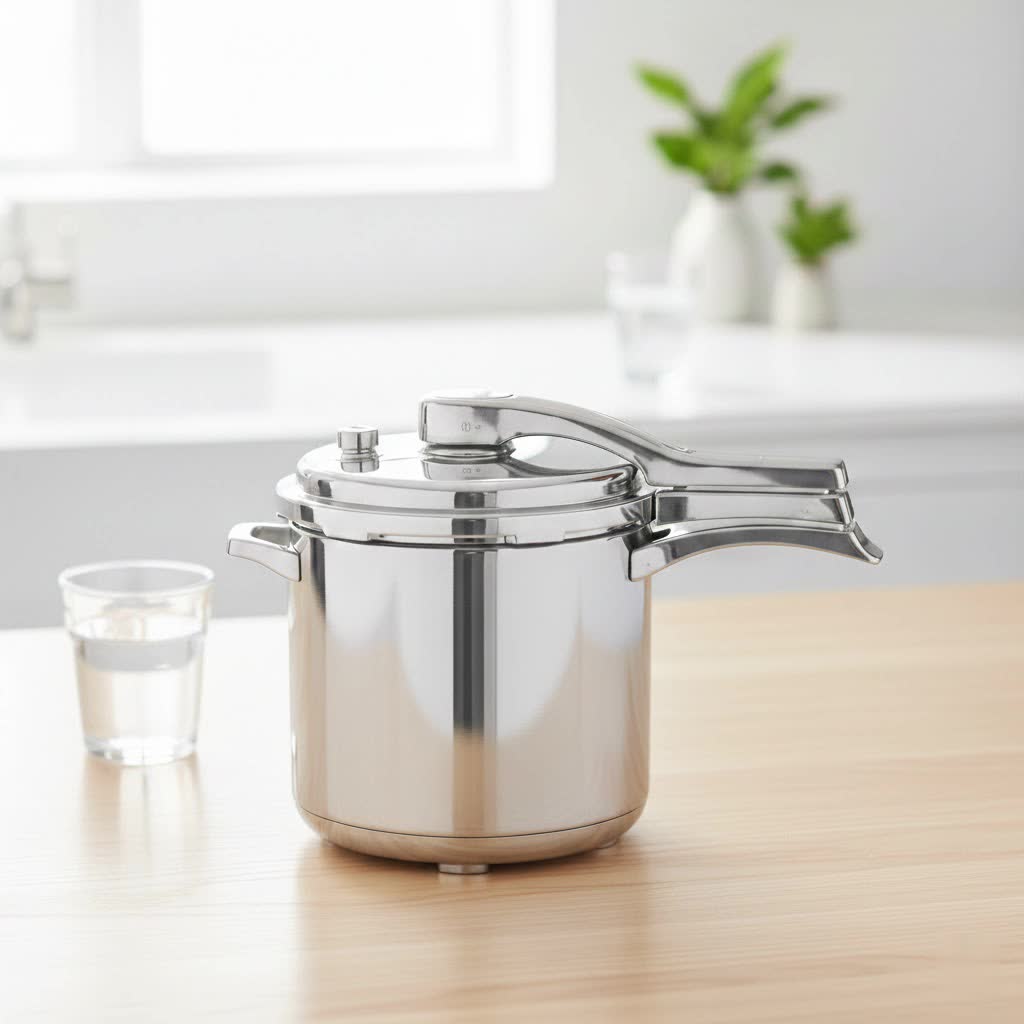
This comprehensive guide will unlock the secrets to perfect Pressure Cooker Ribs, covering everything from selecting the right cut and mastering cooking times to crafting irresistible rubs and sauces. Whether you’re a seasoned chef or a kitchen novice, prepare to revolutionize your rib-making process and impress your family and friends with effortlessly delicious results.
The Magic of Pressure Cooker Ribs: Speed and Tenderness Unleashed
A pressure cooker utilizes steam pressure to rapidly increase the temperature inside the sealed pot, cooking food much faster than conventional methods. For fibrous cuts of meat like ribs, this environment works wonders, breaking down tough connective tissues and muscle fibers with incredible efficiency.
The benefits of using a pressure cooker for ribs are undeniable. First, it dramatically reduces cooking time, turning a meal that typically takes hours into a quick weeknight possibility. Second, the sealed environment locks in moisture and flavor, resulting in ribs that are exceptionally juicy and tender. You’ll find that the meat absorbs seasonings and sauces more deeply, leading to a more intensely flavored final product. Third, pressure cooking is largely a hands-off process, freeing you from constant monitoring and allowing you to focus on other aspects of your meal preparation. Ribs are particularly well-suited for pressure cooking because their connective tissues and fats benefit immensely from the high-pressure, moist heat environment, yielding that coveted “fall-off-the-bone” texture with ease.
Essential Rib Cuts for Pressure Cooking
Not all ribs are created equal, and understanding the different types will help you choose the best option for your pressure cooker adventures.
- Baby Back Ribs: These ribs come from the loin area of the pig, closer to the backbone. They are shorter, leaner, and more curved than other pork ribs. Baby backs tend to be very tender and cook relatively quickly, making them a popular choice for pressure cooking.
- Pork Spare Ribs (St. Louis Style): Located on the underside of the pig’s belly, spare ribs are larger, meatier, and contain more fat and connective tissue than baby back ribs. St. Louis style ribs are spare ribs that have been trimmed of the breastbone and cartilage, creating a more uniform rectangular rack. Their higher fat content contributes to a richer flavor, and they require a slightly longer cooking time to achieve optimal tenderness.
- Beef Short Ribs: These hearty ribs are cut from the chuck, plate, or brisket sections of beef. Known for their robust, beefy flavor and significant marbling, beef short ribs are a fantastic choice for pressure cooking. The intense pressure helps to tenderize these inherently tough cuts, turning them into a luxurious, fork-tender dish.
Before cooking, it’s generally recommended to remove the thin, silverskin membrane from the bone-side of pork ribs. This membrane can become tough and chewy when cooked, preventing seasonings from penetrating and making the ribs less enjoyable to eat. A simple trick is to use a knife or spoon to lift a corner of the membrane, then grip it with a paper towel and peel it off. For larger racks, cutting the ribs into sections (typically 2-3 bones each) ensures they fit easily into your pressure cooker and cook more evenly.
Gear Up: Choosing Your Pressure Cooker for Ribs
The right pressure cooker can make all the difference in your rib-making journey. Today’s market offers a range of options, primarily electric and stovetop models.
Electric Pressure Cookers (like the popular Instant Pot) are multi-functional appliances that often include pre-set programs for various foods, a sauté function, and automatic keep-warm settings. They are generally user-friendly, feature multiple safety mechanisms, and are ideal for those who want a set-it-and-forget-it experience. The Instant Pot Pro, for example, is lauded for its versatility, precise controls, and features like a handled inner cookpot. The Instant Pot Duo Plus 8-Quart model is also a top pick, offering seven programs and 25 customizable settings, including specific options for ribs, delivering consistently tender results.
Stovetop Pressure Cookers are traditional models that sit on your stove burner. They often reach higher pressures than electric models, which can slightly reduce cooking times. They require more manual monitoring of pressure and heat adjustments but are typically more durable and can last for decades. Brands like the T-Fal Clipso are noted for their easy-locking lids, while the Kuhn Rikon Duromatic Neo is praised for its speedy results and quality.
When selecting a pressure cooker, consider:
- Capacity: A 6-quart or 8-quart model is usually sufficient for cooking a rack or two of ribs for a family.
- Safety Features: Modern pressure cookers come with automatic venting, locking lids, and pressure indicators for safe operation.
- Sauté Function: This is highly beneficial for browning ribs or sautéing aromatics directly in the pot before pressure cooking, building layers of flavor.
“Modern electric pressure cookers feature locking lids, automatic venting, and durable gaskets, making the risks of old-fashioned stovetop pressure cookers a thing of the past.”
Crafting the Perfect Pressure Cooker Ribs: Step-by-Step Recipe
Creating tender, flavorful ribs in a pressure cooker is simpler than you might think. Follow these steps for a guaranteed crowd-pleaser.
1. Prep the Ribs:
As discussed, remove the membrane from the back of the ribs. Then, cut each rack into 2-3 bone sections to fit comfortably inside your pressure cooker. Pat the ribs dry with paper towels.
2. Apply the Dry Rub:
A good dry rub is crucial for flavor. Combine your favorite spices – a mix of brown sugar, smoked paprika, chili powder, garlic powder, onion powder, salt, and black pepper works wonderfully. Liberally rub this mixture all over the rib sections, ensuring every crevice is coated. For best results, you can do this step a few hours or even overnight in the refrigerator to allow the flavors to penetrate the meat.
3. Prepare the Liquid Base:
Every pressure cooker needs liquid to generate steam. For ribs, this liquid also serves as a flavor infusion. A common choice is 1 cup of water or beef/chicken broth. For added depth, consider incorporating a splash of apple cider vinegar, a few drops of liquid smoke, or even some apple juice or dark beer. Place a trivet or steamer rack at the bottom of your pressure cooker to keep the ribs elevated out of the liquid.
4. Cook in the Pressure Cooker:
Carefully arrange the seasoned rib sections on the trivet inside the pressure cooker. You might need to curl them around the pot, often standing them upright, to fit them all without overcrowding. Once arranged, pour your liquid base into the bottom of the pot, ensuring it doesn’t cover the ribs directly. Secure the lid, making sure the sealing ring is properly in place and the vent is set to “Sealing.”
Set your pressure cooker to the “High Pressure” or “Manual” setting. The cooking times will vary depending on the type of ribs and your desired tenderness:
- Baby Back Ribs: Cook for 20-35 minutes. For ribs that are tender but still hold their shape, aim for 20-25 minutes. For fall-off-the-bone tenderness, cook for 30-35 minutes.
- Pork Spare Ribs (St. Louis Style): These require a bit more time. Cook for 30-40 minutes for tender results.
- Beef Short Ribs: For rich, fall-apart beef short ribs, cook for 40-45 minutes.
Once the cooking cycle is complete, it’s time for pressure release. For ribs, a Natural Pressure Release (NPR) or a Partial Natural Release is highly recommended. This allows the internal temperature of the ribs to gradually decrease, resulting in more tender and juicy meat. Allow the pressure to naturally release for 10-15 minutes, then carefully quick-release any remaining pressure by turning the vent knob to “Venting” (following your manufacturer’s instructions for safe operation).
5. The Finishing Touch: Broiling or Grilling:
While the pressure cooker makes ribs incredibly tender, it doesn’t give them that beautiful caramelized bark or smoky char. This is where the finishing step comes in. Carefully remove the cooked ribs from the pressure cooker and transfer them to a baking sheet lined with foil or parchment paper. Brush them generously with your favorite barbecue sauce.
- Broiling: Place the sauced ribs under a preheated broiler for 5-10 minutes, or until the sauce is bubbly and caramelized. Keep a close eye on them to prevent burning.
- Grilling: Alternatively, you can finish them on a hot grill for a few minutes per side, brushing with more sauce as they caramelize.
Pressure Cooker Ribs Cooking Time Chart
|
Our Picks for the Best Pressure Cooker in 2026
We may earn a commission when you use one of our links to make a purchase.
|
||
| Num | Product | Action |
|---|---|---|
| 1 | Instant Pot Duo 7-in-1 Electric Pressure Cooker, Slow Cooker, Rice, Steamer, Sauté, Yogurt Maker, Warmer & Sterilizer, Includes App With Over 800 Recipes, Stainless Steel, 6 Quart |

|
| 2 | Barton Pressure Canner Release Valve Aluminum Canning Pot Cooker Pot Stove Top Instant Fast Cooking Pot Stewing Locking System (8 Quarts) |
|
| 3 | Presto 01362 6-Quart Stainless Steel Pressure Cooker |
|
| 4 | Presto 01264 6-Quart Aluminum Pressure Cooker, Silver |
|
| 5 | Instant Pot Duo 7-in-1 Mini Electric Pressure Cooker, Slow Rice Cooker, Steamer, Sauté, Yogurt Maker, Warmer & Sterilizer, Includes Free App with over 1900 Recipes, Stainless Steel, 3 Quart |
|
| 6 | 3-In-1 Stainless Steel Pressure Cooker 8 QT: [Save 70% Time] [3 PSI Settings], One-Hand Locking, Induction Compatible, Glass Lid & Steamer Rack Included, Olla de Presion |
|
| 7 | 18/8 Stainless Steel Pressure Cooker 8 Qt, [One-Hand Locking] Pressure Cooker,[3-In-1] Olla de Presion, Induction,Gas Stovetop Compatible, Includes Glass Lid & Steamer Rack |
|
| 8 | COSORI Pressure Cooker 6QT, Stainless Steel, 9-in-1 Multi Cooker, 12 Safety Features, Ceramic Inner Pot, Rice, Slow Cook, Sous Vide, Saute, 1100W |
|
| 9 | Fullwill 9-in-1 Electric Pressure Cooker(2025 Upgraded), 12 Presets Instant Multi Cooker, Olla de Presion Nonstick Pot 6 Quarts |
|
| 10 | Instant Pot Duo 7-in-1 Electric Pressure Cooker, Slow Cooker, Rice Cooker, Steamer, Sauté, Yogurt Maker, Warmer & Sterilizer, Includes App with Over 800 Recipes, Stainless Steel, 8 Quart |
|
| Rib Type | Pressure Cook Time (High) | Pressure Release Method |
|---|---|---|
| Baby Back Ribs | 20-35 minutes | 10-15 minutes Natural Release, then Quick Release |
| Pork Spare Ribs | 30-40 minutes | 10-15 minutes Natural Release, then Quick Release |
| Beef Short Ribs | 40-45 minutes | 10-15 minutes Natural Release, then Quick Release (or full natural release) |
Tips for Unforgettable Pressure Cooker Ribs
Achieving rib perfection involves a few key techniques and considerations.
- Don’t Overcrowd the Pot: While you can often stack ribs, try to avoid packing the pressure cooker too tightly. Allowing some space ensures even cooking and better steam circulation. If you have a large quantity, consider cooking in batches.
- Consider Searing for Extra Flavor: For beef short ribs, or if you desire a deeper, richer flavor for pork ribs, you can use the sauté function of your electric pressure cooker (or a separate pan for stovetop models) to sear the ribs on all sides before pressure cooking. This creates a flavorful crust through the Maillard reaction.
- Let the Ribs Rest: After cooking and finishing, let the ribs rest for 5-10 minutes before slicing and serving. This allows the juices to redistribute, resulting in more tender and flavorful meat.
- Customize Your Sauce and Rub: Don’t be afraid to experiment with different spice blends, barbecue sauces, or liquid bases to create a flavor profile that suits your taste. From spicy to sweet, the possibilities are endless.
- “Fall-Off-the-Bone” vs. “Tender but Still on the Bone”: The longer you pressure cook, the more tender the ribs become. Adjust cooking times within the recommended ranges to achieve your desired texture. Shorter times will yield ribs with a bit more chew, while longer times will result in meat that literally slides off the bone.
Common Pitfalls and How to Avoid Them
Even with the convenience of a pressure cooker, a few issues can arise. Knowing how to troubleshoot them will ensure your rib success.
- Ribs Not Tender Enough: If your ribs aren’t as tender as you’d like after the initial cook time, simply reseal the pressure cooker and cook them for an additional 5-10 minutes under high pressure. This often resolves the issue for thicker or tougher cuts.
- Lack of Flavor: This usually stems from an inadequate rub or insufficient saucing. Ensure you use a generous amount of a well-seasoned rub and don’t skimp on brushing with barbecue sauce before broiling or grilling. Adding aromatics like onions, garlic, or herbs to the cooking liquid can also enhance flavor.
- Sauce Not Caramelized: The pressure cooker itself won’t caramelize the sauce. You must finish the ribs under a broiler or on a grill to achieve that sticky, sweet, and slightly charred exterior.
- Ribs are Too Mushy: If your ribs are falling apart too easily and have a mushy texture, you might have overcooked them for your preference. Next time, reduce the pressure cooking time by 5-10 minutes.
- Burn Notice on Electric Pressure Cookers: This often happens if there isn’t enough liquid in the pot, or if thick sauces (like barbecue sauce) are added directly to the bottom of the pot, causing them to scorch. Always use a trivet and ensure sufficient thin liquid.
Conclusion
The pressure cooker is an invaluable tool for anyone who loves ribs but lacks the time for traditional slow-cooking methods. With its ability to produce incredibly tender, flavorful, and “fall-off-the-bone” ribs in under an hour, it’s a true kitchen game-changer. By understanding the nuances of different rib cuts, mastering cooking times, and embracing the essential finishing steps, you can consistently create barbecue masterpieces that will delight your palate.
So, are you ready to unlock the full potential of your pressure cooker and transform your rib-cooking game forever?
Frequently Asked Questions
Do you put water in a pressure cooker for ribs?
Yes, you absolutely need liquid in a pressure cooker to create the steam necessary for cooking. For ribs, typically 1 cup of water, broth, or a flavorful liquid like apple cider vinegar or juice is added to the bottom of the pot, underneath a trivet, to steam the ribs.
How long to cook baby back ribs in an Instant Pot?
For baby back ribs, cook on high pressure for approximately 20-35 minutes, depending on how tender you prefer them. Follow this with a 10-15 minute natural pressure release before carefully releasing any remaining pressure. For truly fall-off-the-bone results, opt for the longer cooking time.
Can you overcook ribs in a pressure cooker?
While pressure cooking is generally forgiving, it is possible to overcook ribs, leading to a mushy texture where the meat completely disintegrates. To avoid this, stick to the recommended cooking times for your specific rib type and adjust downwards if you prefer ribs with a bit more chew.
Should I remove the membrane from ribs before pressure cooking?
Yes, it is highly recommended to remove the tough, transparent membrane from the bone-side of pork ribs before pressure cooking. This membrane can become chewy, prevent seasonings from penetrating, and detract from the overall eating experience. It’s easy to peel off with a paper towel.
Can I cook frozen ribs in a pressure cooker?
Yes, you can cook frozen ribs in a pressure cooker. You will need to increase the high-pressure cooking time. For frozen baby back ribs, aim for about 35 minutes; for frozen spare ribs, around 45 minutes. Ensure the ribs are cut into manageable sections that fit in the pot, and always follow with a natural pressure release.