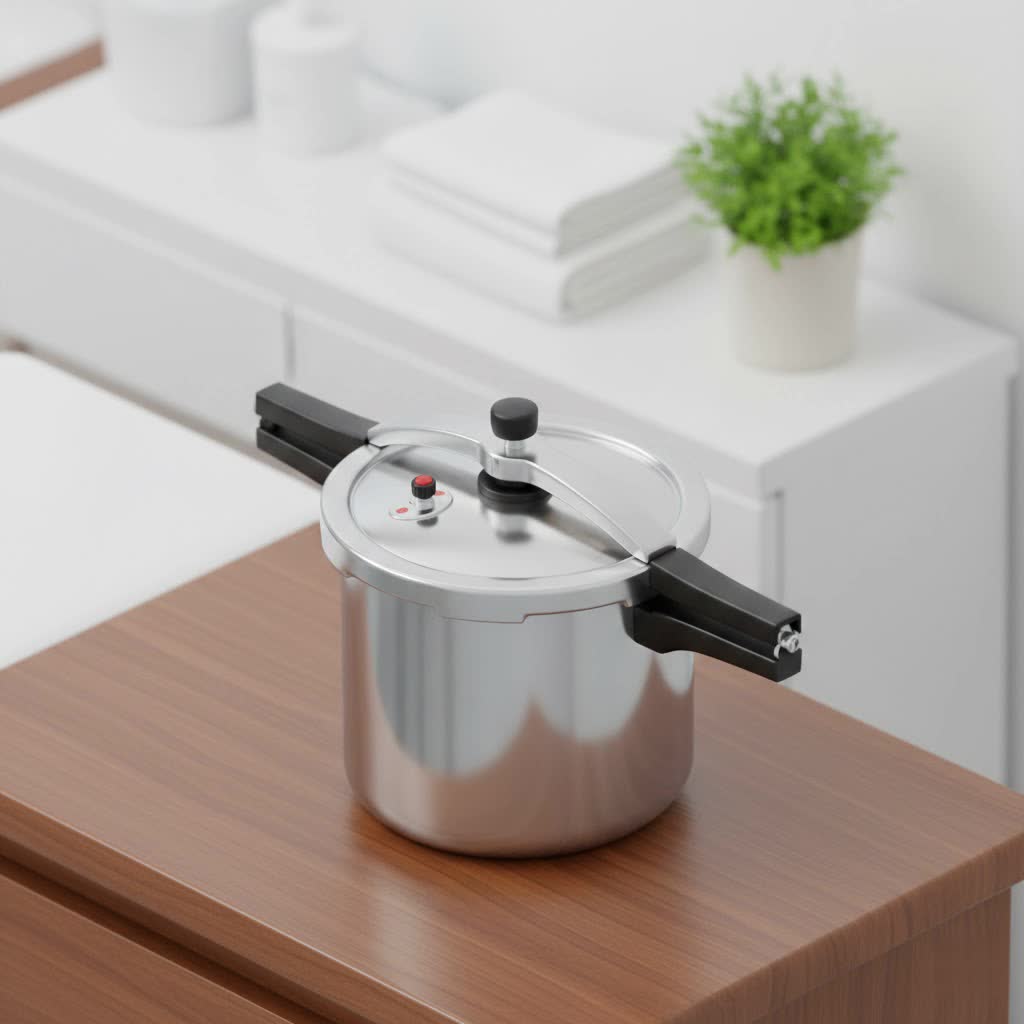
For over a decade, as an admin and technician specializing in pressure cookers, I’ve seen countless models, from the simplest stovetop units to the most advanced electric multi-cookers. The core of their magic, and often the source of confusion, lies in one fundamental concept: pressure. Understanding Pressure Cooker Pressure isn’t just about technical specifications; it’s about unlocking culinary potential, ensuring safety, and consistently preparing delicious, nutritious meals in record time. Let’s delve into the science and practicalities that make these kitchen workhorses indispensable.
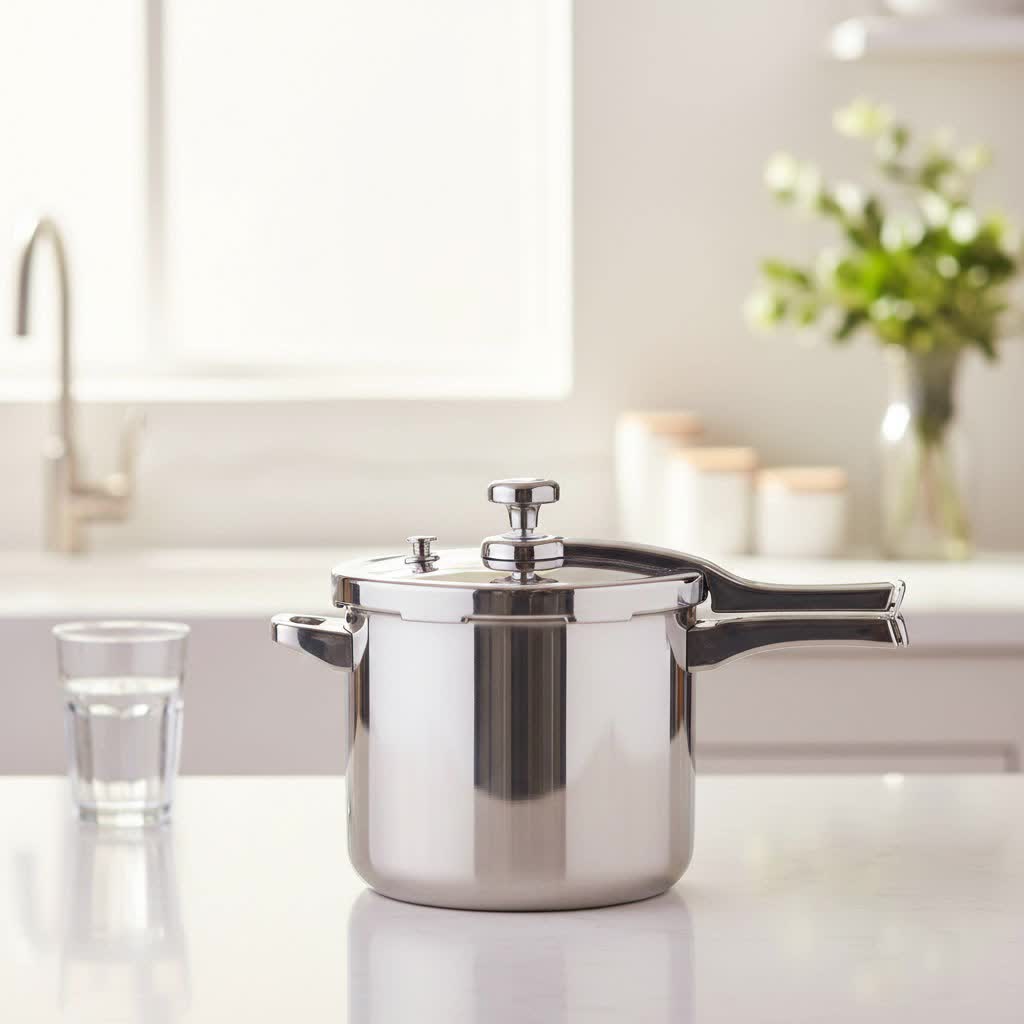
What is Pressure Cooking and How Does Pressure Work?
A pressure cooker is essentially a sealed pot designed to cook food quickly by creating a high-pressure, high-temperature environment. Unlike a regular pot where water boils at 212°F (100°C) at sea level, a pressure cooker traps the steam generated from boiling liquid. This trapped steam has nowhere to escape, causing the pressure inside the cooker to rise significantly.
This increase in pressure directly elevates the boiling point of water. Under normal atmospheric conditions, water’s boiling point is fixed. However, in the enclosed environment of a pressure cooker, the increased pressure literally changes the laws of nature inside the pot, forcing water to boil at much higher temperatures. This superheated steam and liquid rapidly penetrate food, breaking down fibers and cooking ingredients in a fraction of the time conventional methods require.
Deciphering Pressure Levels: PSI Explained
When discussing pressure cookers, you’ll often encounter the term “PSI,” which stands for Pounds Per Square Inch. This unit measures the force exerted by the steam inside the cooker. The higher the PSI, the higher the temperature the water can reach, and consequently, the faster your food will cook.
- Stovetop Pressure Cookers: Traditional stovetop models typically operate at a high-pressure setting of around 15 PSI (pounds per square inch) above atmospheric pressure, known as gauge pressure. At this pressure, water inside the cooker can reach approximately 250°F (121°C). This 15 PSI standard was established by the United States Department of Agriculture in 1917 and is often the benchmark for many recipes, particularly for safe home canning to destroy botulism spores.
- Electric Pressure Cookers: Modern electric pressure cookers, like the popular Instant Pot, offer more nuanced control. Their high-pressure setting usually ranges from 10 to 12.5 PSI, with temperatures between 239°F and 245°F. Many also feature a low-pressure setting, typically between 5.5 and 7 PSI, which corresponds to temperatures from 229°F to 233°F.
It’s important to differentiate between “gauge pressure” (the reading on the cooker, indicating pressure above ambient atmospheric pressure) and “absolute pressure” (the total pressure inside, which includes atmospheric pressure, approximately 15 PSI at sea level). So, a 15 PSI gauge pressure cooker is operating at roughly 30 PSI absolute pressure.
The Power of Pressure: Benefits of Pressure Cooking
The elevated pressure and temperature inside a pressure cooker translate into numerous culinary advantages:
- Speed & Efficiency: This is perhaps the most celebrated benefit. Pressure cooking can reduce cooking times by up to 70% compared to conventional methods. Dishes that traditionally simmer for hours, like stews or tough cuts of meat, can be ready in a fraction of the time.
- Nutrient Retention: Shorter cooking times mean less exposure to heat, which helps preserve more heat-sensitive vitamins, minerals, and nutrients that might otherwise degrade or leach into cooking water. A study on broccoli, for instance, showed pressure cooking retained 90% of its vitamin C, significantly more than basic steaming or boiling.
- Flavor Enhancement: The sealed environment prevents evaporation, trapping aromatic compounds and seasonings within the food. This results in more intensely flavored and aromatic dishes, as ingredients infuse deeply into the cooking liquid and each other.
- Tenderizing Tough Foods: High pressure and temperature efficiently break down the tough connective tissues in meats and fibrous structures in legumes and root vegetables, turning them incredibly tender in a surprisingly short period. This makes cheaper, tougher cuts of meat a joy to cook.
- Energy Savings: Because food cooks much faster, pressure cookers use less energy overall than stovetop or oven cooking for the same dishes, leading to savings on your utility bills.
- Reduced Kitchen Heat: Unlike boiling a large pot on the stove, which releases a lot of steam and heat into your kitchen, a pressure cooker contains most of the heat internally, keeping your kitchen cooler, especially during warmer months.
High vs. Low Pressure: When to Use Which
While many pressure cooker recipes default to high pressure, understanding the difference between high and low-pressure settings, particularly on electric models, can expand your culinary repertoire.
- High Pressure: This is the workhorse setting for most pressure cooking tasks. It’s ideal for cooking tough cuts of meat, dried beans, grains, and robust vegetables like potatoes or carrots. The intense heat breaks down fibers quickly, ensuring thorough cooking and tender results. For the vast majority of recipes, high pressure is your go-to.
- Low Pressure: Reserved for more delicate ingredients, the low-pressure setting provides a gentler cooking environment. It’s perfect for items that cook quickly or could easily become overcooked and mushy under high pressure, such as fish, seafood, fresh tender vegetables (like asparagus or broccoli), or custards. While less frequently used by many home cooks, it offers precision for sensitive dishes.
Pressure Cooker Safety: Mechanisms That Protect You
Given the high pressures involved, modern pressure cookers are equipped with multiple safety features to prevent accidents and ensure safe operation.
- Safety Valves (Fusible Plugs): These are critical backup systems. If the primary vent tube becomes clogged or internal pressure rises to an unsafe level, a safety valve, often containing a fusible alloy, is designed to melt and release excess steam. This prevents dangerous over-pressurization. If a safety valve activates, it must be replaced before the cooker is used again.
- Lid Locking Systems: All modern pressure cookers feature mechanisms that prevent the lid from being opened when the cooker is under pressure. This is a fundamental safety measure to protect against accidental steam release.
- Gaskets/Sealing Rings: These flexible rubber or silicone rings create an airtight seal between the lid and the pot, crucial for building and maintaining pressure. Inspecting and maintaining this gasket is vital for both safety and performance.
- Vent Tubes/Weights: These components regulate the operational pressure during cooking. The vent tube allows initial air to escape before pressure builds, and the weight (on stovetop models) or pressure valve (on electric models) maintains the desired pressure by releasing small amounts of steam as needed. A blocked vent tube is a common cause of safety valve activation.
Proper maintenance, including regular cleaning of the vent tube and inspection of the gasket and safety valve, is essential for continued safe operation.
Pressure Cooking at Altitude: Adjusting for Success
Altitude plays a significant role in conventional cooking because atmospheric pressure decreases at higher elevations, causing water to boil at lower temperatures. This means food takes longer to cook. For pressure cooking, these same principles apply, though pressure cookers help mitigate the issue.
At higher altitudes (generally above 2,000 feet or 600 meters), you may need to increase the cooking time or, if your cooker allows, increase the PSI setting to achieve the same internal cooking temperature as at sea level. For every 1,000 feet above 2,000 feet, an additional 5% of cooking time is a good rule of thumb, or often an increase of 0.5 to 1 PSI. Consult your pressure cooker’s manual or reliable high-altitude pressure cooking charts for precise adjustments.
Buying Guide: What to Consider When Choosing a Pressure Cooker
Selecting the right pressure cooker involves weighing several factors to match your cooking style and needs:
- Type: Do you prefer the hands-on control and potentially higher PSI of a stovetop pressure cooker (often preferred for canning), or the programmable convenience and safety features of an electric multi-cooker (like an Instant Pot)?
- Pressure Settings: Most electric models offer high and low-pressure options, providing versatility. Stovetop models often have a single high-pressure setting.
- Capacity: Pressure cookers range from small 3-liter models perfect for one or two people, to large 8-liter or more for families or meal prepping. Consider your average meal size.
- Safety Features: Look for multiple safety mechanisms: spring-loaded or weighted safety valves, secure lid locking, and a reliable pressure indicator.
- Material: Stainless steel is durable, non-reactive, and popular. Aluminum models are lighter and heat faster but can react with acidic foods.
- Brand Reputation: Established brands often have better build quality, reliable safety features, and readily available spare parts.
|
Our Picks for the Best Pressure Cooker in 2026
We may earn a commission when you use one of our links to make a purchase.
|
||
| Num | Product | Action |
|---|---|---|
| 1 | Instant Pot Duo 7-in-1 Electric Pressure Cooker, Slow Cooker, Rice, Steamer, Sauté, Yogurt Maker, Warmer & Sterilizer, Includes App With Over 800 Recipes, Stainless Steel, 6 Quart |

|
| 2 | Presto 01362 6-Quart Stainless Steel Pressure Cooker |
|
| 3 | Instant Pot Duo 7-in-1 Electric Pressure Cooker, Slow Cooker, Rice Cooker, Steamer, Sauté, Yogurt Maker, Warmer & Sterilizer, Includes App with Over 800 Recipes, Stainless Steel, 8 Quart |
|
| 4 | 18/8 Stainless Steel Pressure Cooker 8 Qt, [One-Hand Locking] Pressure Cooker,[3-In-1] Olla de Presion, Induction,Gas Stovetop Compatible, Includes Glass Lid & Steamer Rack |
|
| 5 | Instant Pot Duo 7-in-1 Mini Electric Pressure Cooker, Slow Rice Cooker, Steamer, Sauté, Yogurt Maker, Warmer & Sterilizer, Includes Free App with over 1900 Recipes, Stainless Steel, 3 Quart |
|
| 6 | Presto 01264 6-Quart Aluminum Pressure Cooker, Silver |
|
| 7 | Barton Pressure Canner Release Valve Aluminum Canning Pot Cooker Pot Stove Top Instant Fast Cooking Pot Stewing Locking System (8 Quarts) |
|
| 8 | Fullwill 9-in-1 Electric Pressure Cooker(2025 Upgraded), 12 Presets Instant Multi Cooker, Olla de Presion Nonstick Pot 6 Quarts |
|
| 9 | 3-In-1 Stainless Steel Pressure Cooker 8 QT: [Save 70% Time] [3 PSI Settings], One-Hand Locking, Induction Compatible, Glass Lid & Steamer Rack Included, Olla de Presion |
|
| 10 | COSORI Pressure Cooker 6QT, Stainless Steel, 9-in-1 Multi Cooker, 12 Safety Features, Ceramic Inner Pot, Rice, Slow Cook, Sous Vide, Saute, 1100W |
|
How to Safely Use and Maintain Your Pressure Cooker
Even with advanced safety features, proper usage and maintenance are paramount for safe and efficient pressure cooking:
- Read Your Manual: Always familiarize yourself with your specific model’s instructions and safety warnings.
- Proper Filling Levels: Never overfill your pressure cooker. Most manufacturers recommend not filling more than two-thirds full for solids and half full for liquids, and even less (one-third) for foods that expand or froth, like dried beans or grains.
- Secure the Lid: Ensure the lid is correctly sealed and locked before heating. Check the gasket for any damage or food particles that might prevent a proper seal.
- Monitor Pressure: For stovetop models, reduce heat once the desired pressure is reached to maintain it without excessive steam release. Electric models will regulate this automatically.
- Pressure Release Methods:
- Natural Release: Allow pressure to dissipate on its own. Ideal for foamy foods, meats, or delicate items.
- Quick Release: Manually vent the steam valve. Best for quick-cooking vegetables to prevent overcooking.
- Cold Water Release (Stovetop only): Run cool water over the lid. Fastest method, but only for stovetop models and generally discouraged unless specified, as it can be harsh on the cooker.
- Cleaning and Inspection: After each use, thoroughly clean the inner pot, lid, sealing ring, and especially the vent tube to prevent blockages. Regularly inspect the sealing ring and safety valve for wear or damage.
“Understanding the physics of pressure is key to unlocking the true potential of your pressure cooker. It’s a tool that empowers you to cook faster, healthier, and with incredible flavor, but respect for its mechanism is paramount for safety.”
Conclusion
Pressure cooker pressure is the driving force behind this incredibly efficient and versatile kitchen appliance. By harnessing the power of superheated steam, it transforms cooking, delivering tender, flavorful, and nutritious meals in a fraction of the time. From saving energy and preserving nutrients to making tough cuts of meat melt-in-your-mouth tender, the benefits are undeniable. As technology evolves, modern pressure cookers continue to enhance safety and ease of use, making them a smart addition to any kitchen. Embrace the science, understand the settings, and you’ll find your pressure cooker becoming one of your most valued culinary companions.
What delicious, time-saving meals will you create with your newfound understanding of pressure cooking?
Frequently Asked Questions
Is higher PSI always better for pressure cooking?
Not necessarily. While higher PSI generally means higher temperatures and faster cooking, some delicate foods benefit from lower pressure to prevent overcooking or maintain texture. Most home pressure cookers are designed to operate within safe and effective ranges (e.g., 10-15 PSI high pressure) to optimize for both speed and food quality, avoiding extreme pressures that could negatively impact flavor or even produce undesirable chemicals.
Can I use a stovetop pressure cooker recipe in an electric one?
Yes, but you may need to adjust cooking times. Stovetop pressure cookers typically reach a higher PSI (around 15) than most electric models (around 10-12.5). This means an electric pressure cooker might require slightly longer cooking times for recipes originally developed for stovetop units to achieve similar results. Always check your electric cooker’s manual and adjust accordingly.
How do I know what pressure my cooker is at?
Stovetop pressure cookers often use a weighted jiggler valve that indicates pressure by its movement or a dial gauge for a precise reading. Electric pressure cookers usually have digital displays that show “HIGH” or “LOW” pressure status, or a floating pin that rises when pressure is achieved, letting you know the pot has reached its operating pressure.
What foods should not be pressure cooked?
Foods that tend to froth or expand significantly, like certain types of dried beans without proper preparation, some grains, or applesauce, can potentially clog the vent valve. Dairy products and thickeners like flour or cornstarch are generally added after the pressure cooking phase to avoid scorching or interfering with pressure regulation. Always consult your appliance’s manual for specific foods to avoid.