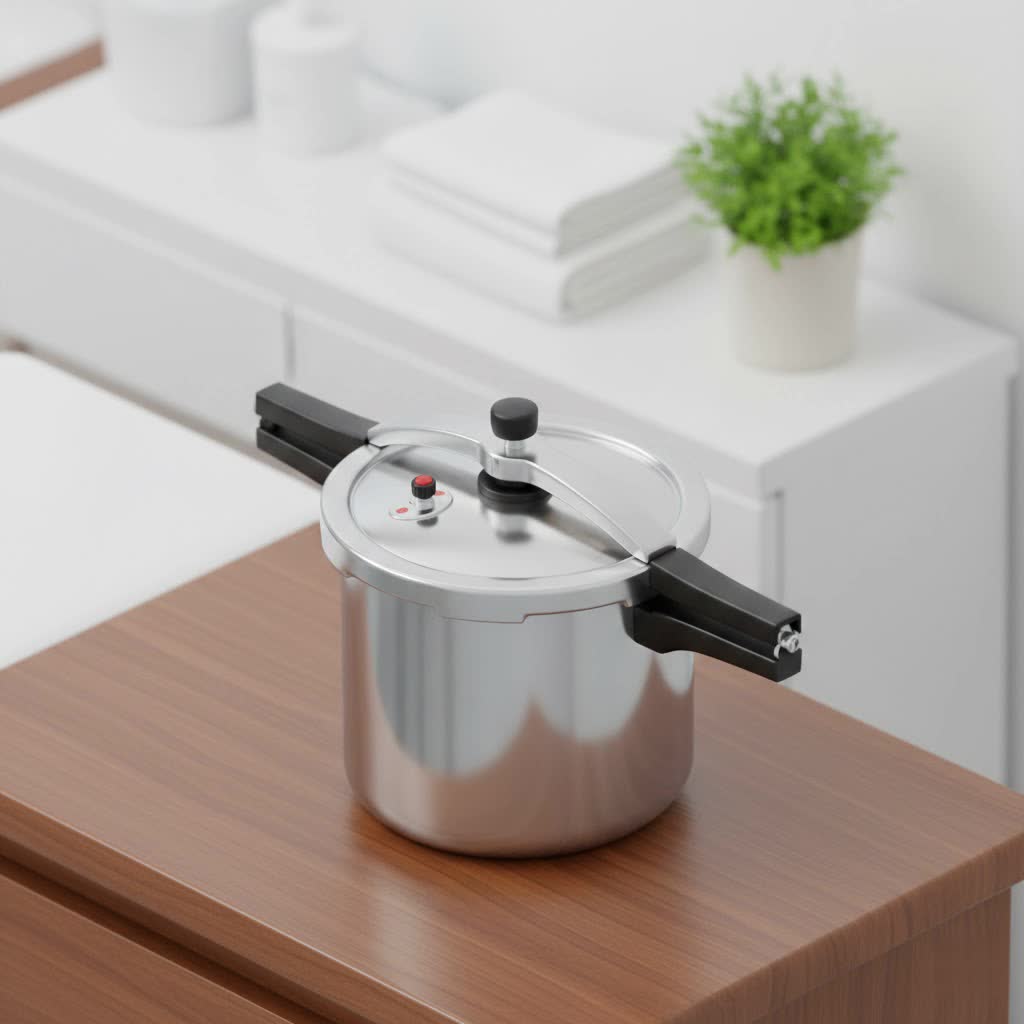
For decades, home cooks and preservers have turned to the reliable performance of a Mirro Pressure Cooker. Far more than just a kitchen appliance, these workhorses are essential tools for preparing nutrient-rich meals quickly and safely, especially for those venturing into the rewarding world of home canning. Understanding the unique features and proper handling of a Mirro model is key to unlocking its full potential and ensuring a lifetime of delicious, safely preserved food.
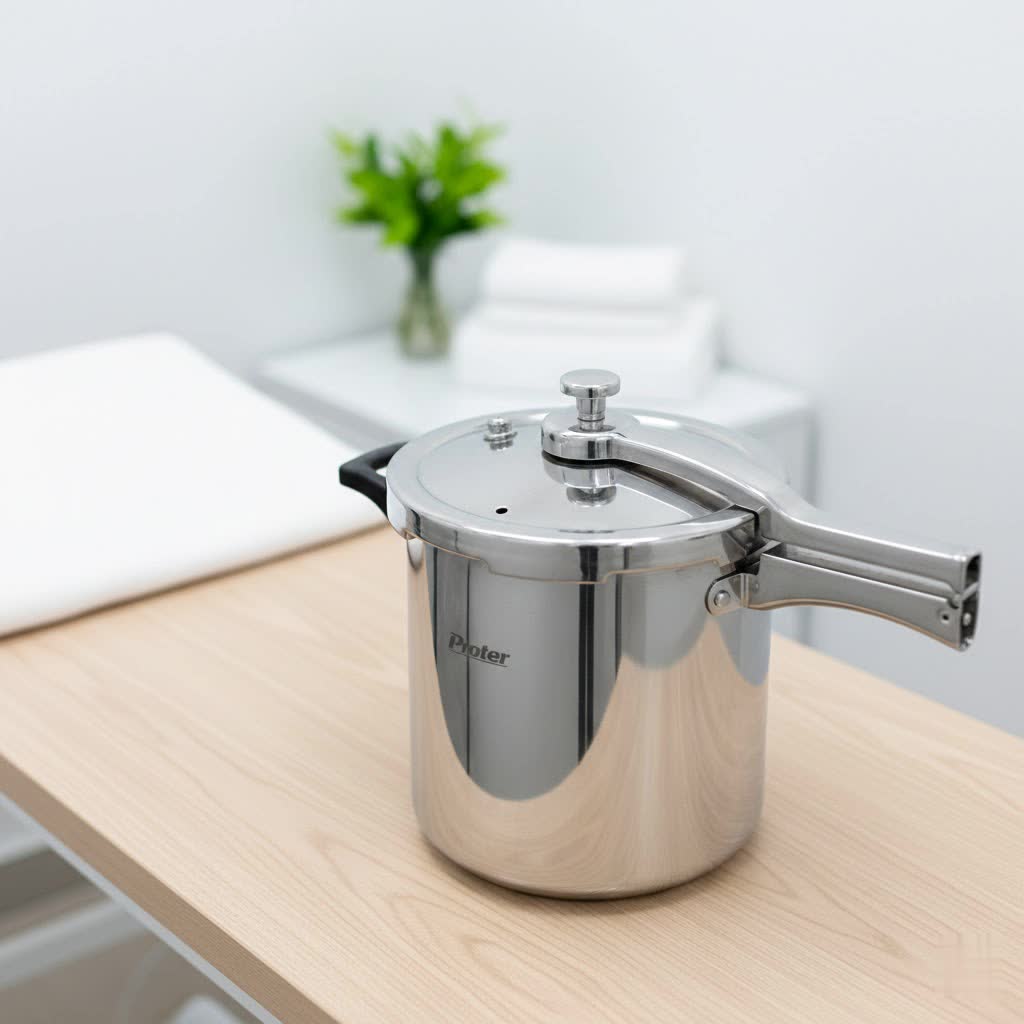
What is a Mirro Pressure Cooker? Why Might You Need One?
A Mirro pressure cooker is a specialized cooking pot designed to cook food at high pressure, significantly reducing cooking times and preserving nutrients. While “pressure cooker” is the general term, Mirro models are predominantly known and excel as pressure canners, particularly their larger capacities. They leverage increased pressure to raise water’s boiling point, creating an environment that rapidly tenderizes tough cuts of meat, cooks dried beans without presoaking, and most importantly, safely processes low-acid foods for long-term storage.
The primary benefit of owning a Mirro pressure cooker, especially its larger models, lies in its exceptional capacity for home canning. It allows you to process large batches of vegetables, meats, and other low-acid foods, making it an invaluable asset for garden enthusiasts or bulk meal preparers. Beyond canning, it offers a fast, energy-efficient way to prepare everyday meals. Mirro pressure cookers are traditionally stove-top models, utilizing a weighted gauge system for pressure regulation, a classic and robust design preferred by many for its durability and reliability.
Key Criteria When Choosing a Mirro Pressure Cooker
Selecting the right Mirro pressure cooker involves considering several factors to match your specific cooking and canning needs.
- Capacity: Mirro pressure cookers come in various sizes, ranging from smaller 2.5-quart models suitable for daily cooking to massive 22-quart units ideal for serious home canners. A 22-quart Mirro can comfortably hold seven quart-sized jars, eighteen pint-sized jars, or twenty-four half-pint jars in a single batch, highlighting its efficiency for preserving large harvests. Assess your typical batch sizes and family needs to determine the optimal capacity.
- Material: Mirro pressure cookers are primarily constructed from a super tough aluminum alloy. This material makes them lightweight and efficient heat conductors, contributing to their affordability. However, it also means they are not compatible with induction cooktops. Furthermore, Mirro models typically feature a distinctive concave base, making them suitable only for gas and electric coil stoves, not flat or glass-top ceramic surfaces, where proper heat transfer and pressure building would be compromised.
- Safety Features: Safety is paramount with pressure cooking. Mirro models incorporate several critical safety mechanisms:
- Weighted Pressure Regulator: This key component allows you to select specific pressure settings (typically 5, 10, or 15 PSI) by releasing excess steam. Unlike dial gauges, weighted gauges do not require annual calibration, offering consistent accuracy over time.
- Overpressure Plug (Safety Valve): A crucial fail-safe, this plug is designed to release excess pressure rapidly if the main vent pipe becomes blocked, preventing dangerous pressure buildup.
- Vent Pipe: The channel through which steam escapes, regulated by the weighted gauge. Keeping it clear is essential for safe operation.
- Gasket/Sealing Ring: A removable rubber ring that creates an airtight seal between the lid and the pot body, crucial for maintaining pressure.
- Locking Handles: These ensure the lid is securely fastened before pressure can build, preventing accidental opening during operation.
- Brand Reputation: Mirro boasts a history of over a hundred years in producing quality aluminum kitchenware. Its enduring presence in the market, particularly in the canning community, speaks to its reliability and the availability of replacement parts. The brand’s focus on sturdy, functional designs has earned it a loyal following among home preservers.
Mirro vs. Competitors: A Detailed Comparison
When considering a pressure cooker, Mirro often stands against other prominent brands like Presto and All American. Each has its strengths:
| Feature | Mirro Pressure Cooker | Presto Pressure Canner/Cooker | All American Pressure Canner |
|---|---|---|---|
| Gauge Type | Weighted gauge (no annual calibration needed) | Dial gauge (requires annual testing for accuracy) | Weighted gauge (no calibration), metal-to-metal seal |
| Material | Aluminum alloy | Aluminum | Heavy-duty polished aluminum |
| Stove Compatibility | Gas and electric coil only (due to concave base) | Gas, electric coil, some models suitable for glass-top (check specifics) | Gas and electric coil (some specific models might work on others, but generally not induction) |
| Primary Use | Excels as a pressure canner for large batches | Versatile for canning and pressure cooking | Designed for heavy-duty canning, no gaskets needed |
| Gasket | Removable rubber gasket (needs annual replacement) | Removable rubber gasket (needs replacement) | No gasket; metal-to-metal seal |
| Price Point | Budget-friendly (often under $100 for 22-quart models) | Mid-range (slightly higher than Mirro for similar size) | Premium/High-end (significantly more expensive) |
| Maintenance | Low ongoing costs, mainly gasket replacement | Annual gauge testing, gasket replacement | Minimal gasket-related maintenance, but heavier overall |
Mirro offers exceptional value for budget-conscious users prioritizing high-capacity canning on compatible stoves. Presto provides a more versatile option with some models offering water-bath canning functionality, but with the added step of annual dial gauge testing. All American models are built to last a lifetime with their unique gasket-free design, but come at a much higher initial investment.
Top Mirro Pressure Cooker Models
While Mirro produces various sizes, the Mirro 22-Quart Pressure Canner (e.g., model 92122A) is consistently highlighted for its impressive capacity and affordability, making it a favorite among serious home canners. This large unit allows you to process a significant amount of food in a single session, saving time and energy. Other popular sizes like the 4-quart and 6-quart models are excellent for smaller families or for everyday pressure cooking tasks, offering convenience without taking up excessive counter space.
How to Use and Maintain Your Mirro Pressure Cooker
Proper usage and maintenance are critical for safety, efficiency, and extending the lifespan of your Mirro pressure cooker.
Safe and Effective Use
- Initial Setup: Before its first use, Mirro recommends running the pressure cooker with just water and baking soda under minimal pressure. This helps condition the aluminum and familiarizes you with the pressure management system.
- Lid Locking: Mastering the lid locking mechanism is crucial. Ensure the lid is precisely aligned with the pot body before twisting to lock it securely. Over-twisting or improper alignment can lead to steam leaks around the handles and prevent pressure from building correctly. A small red button on the lid handle acts as a pressure indicator, popping up when pressure has built inside the cooker.
- Achieving and Maintaining Pressure: Place the appropriate weighted gauge (5, 10, or 15 PSI) on the vent pipe. Heat the cooker on high until steam begins to escape steadily from under the pressure regulator. For older Mirro models, the weight should gently rock or jiggle continuously. For newer models, the weight will release steam with a distinct hiss every 15 to 20 seconds. Once the desired pressure is reached, reduce the heat to maintain this steady rhythm. If the jiggling or hissing stops, the pressure has dropped, and you must bring it back up and restart your cooking or canning time from the beginning for safety.
- Altitude Adjustments: If you live at higher elevations (above 1,000 feet), you’ll need to use higher pressure settings than those specified for sea level to ensure food is safely processed. For instance, you might use 10 PSI instead of 5, or 15 PSI instead of 10 PSI. Always consult current USDA guidelines for accurate altitude adjustments.
- Cross-Reference USDA Guidelines: While the Mirro user manual is helpful, it’s essential to always cross-reference its canning instructions with the latest U.S. Department of Agriculture (USDA) guidelines. The USDA provides comprehensive, scientifically-backed information for safe home canning, which should always take precedence over any potentially outdated or generalized instructions in appliance manuals.
|
Our Picks for the Best Pressure Cooker in 2026
We may earn a commission when you use one of our links to make a purchase.
|
||
| Num | Product | Action |
|---|---|---|
| 1 | Instant Pot Duo 7-in-1 Mini Electric Pressure Cooker, Slow Rice Cooker, Steamer, Sauté, Yogurt Maker, Warmer & Sterilizer, Includes Free App with over 1900 Recipes, Stainless Steel, 3 Quart |

|
| 2 | Presto 01264 6-Quart Aluminum Pressure Cooker, Silver |
|
| 3 | COSORI Pressure Cooker 6QT, Stainless Steel, 9-in-1 Multi Cooker, 12 Safety Features, Ceramic Inner Pot, Rice, Slow Cook, Sous Vide, Saute, 1100W |
|
| 4 | 3-In-1 Stainless Steel Pressure Cooker 8 QT: [Save 70% Time] [3 PSI Settings], One-Hand Locking, Induction Compatible, Glass Lid & Steamer Rack Included, Olla de Presion |
|
| 5 | Presto 01362 6-Quart Stainless Steel Pressure Cooker |
|
| 6 | Fullwill 9-in-1 Electric Pressure Cooker(2025 Upgraded), 12 Presets Instant Multi Cooker, Olla de Presion Nonstick Pot 6 Quarts |
|
| 7 | Barton Pressure Canner Release Valve Aluminum Canning Pot Cooker Pot Stove Top Instant Fast Cooking Pot Stewing Locking System (8 Quarts) |
|
| 8 | 18/8 Stainless Steel Pressure Cooker 8 Qt, [One-Hand Locking] Pressure Cooker,[3-In-1] Olla de Presion, Induction,Gas Stovetop Compatible, Includes Glass Lid & Steamer Rack |
|
| 9 | Instant Pot Duo 7-in-1 Electric Pressure Cooker, Slow Cooker, Rice, Steamer, Sauté, Yogurt Maker, Warmer & Sterilizer, Includes App With Over 800 Recipes, Stainless Steel, 6 Quart |
|
| 10 | Instant Pot Duo 7-in-1 Electric Pressure Cooker, Slow Cooker, Rice Cooker, Steamer, Sauté, Yogurt Maker, Warmer & Sterilizer, Includes App with Over 800 Recipes, Stainless Steel, 8 Quart |
|
Cleaning and Storage
- After Each Use: After each use, remove the gasket/sealing ring and wash it, along with the pot and lid, in warm, soapy water. Dry all components thoroughly.
- Vent Tube Inspection: Regularly inspect the vent tube to ensure it is clear of any food particles or blockages. Holding the cover up to a light source can help confirm it’s unobstructed.
- Hard Water Stains: Aluminum can sometimes develop hard water stains. A solution of cream of tartar or a mixture of equal parts water and vinegar can effectively remove these stains.
- Proper Storage: Never store your Mirro pressure cooker with the lid tightened onto the pot. This can create a vacuum seal, making it extremely difficult to open later. Store the lid inverted on the pot or separately to allow air circulation.
- Gasket & Parts Durability: While the original gasket can last a while, Mirro generally recommends replacing the rubber sealing gasket annually to ensure optimal performance and safety. Other components like pressure controls tend to be very durable, with Mirro suggesting a professional service center inspection only every decade.
Part Replacement
Mirro pressure cooker parts are readily available. Common replacement items include sealing rings/gaskets, overpressure plugs, pressure regulator weights, and vent tubes. To find the correct parts for your specific model, locate the model number, usually stamped on the bottom of your pressure cooker.
Where to Buy Mirro Pressure Cookers and What to Expect for Price
Mirro pressure cookers are widely available, making them accessible to most consumers. You can typically find them at major online retailers, home goods stores, and sometimes in specialized kitchenware shops.
- Price Points: Mirro is renowned for its affordability. Smaller models (e.g., 4-quart or 6-quart) can be found at very budget-friendly prices, often under $50. Even the large 22-quart pressure canners are usually priced under $100, making them one of the most cost-effective options for high-capacity canning on the market. This competitive pricing includes essential accessories like canning racks and multiple pressure level weights.
- Maintenance Costs: The ongoing cost of owning a Mirro is minimal. The main recurring expense will be replacing the rubber sealing gasket, which typically costs only a few dollars and is recommended annually. Other replacement parts, such as safety valves or regulator weights, are also inexpensive and readily available.
Buying Guide: Expert Advice for Your Mirro Purchase
As an experienced technician, I’ve seen countless pressure cookers, and Mirro stands out for its straightforward functionality and value. Here’s my advice for making an informed purchase:
- Identify Your Primary Need: Are you primarily canning large batches from a garden, or do you need a smaller unit for quick daily meals? Mirro truly shines as a canner, so if that’s your main goal, a larger model is an excellent investment.
- Verify Stove Compatibility: This is non-negotiable. If you have a flat-top or glass-top stove, a Mirro pressure cooker with its concave aluminum base will not work effectively. You will need a gas or electric coil burner for proper operation.
- Prioritize Safety Knowledge: Understand the function of each safety component and how to maintain pressure correctly. Familiarize yourself with the jiggling/hissing action of the weighted gauge specific to your model.
- Embrace USDA Guidelines: Always rely on the latest USDA complete guide to home canning for processing times and instructions, rather than solely the cooker’s manual, especially if you’re a novice canner.
- Consider Long-Term Maintenance: Mirro parts are generally easy to find and affordable. Factor in the cost of annual gasket replacement, which is a small price for continued safe operation.
- Read User Reviews: While I offer my expert insights, real-world user experiences can provide valuable perspectives on specific models, common quirks, or useful tips for maximizing performance.
“A Mirro pressure cooker, especially its larger canner models, offers incredible value for home preservers. Its robust, weighted-gauge design means less fuss with calibration, allowing you to focus on the joy of filling your pantry with homegrown goodness.” – Admin, Reviewmylp.com, Pressure Cooker Technician with 10+ Years Experience
Conclusion
The Mirro pressure cooker, particularly its highly regarded canner models, remains a dependable and economical choice for anyone looking to embrace the efficiency of pressure cooking and the rewarding practice of home canning. Its durable aluminum construction, straightforward weighted gauge system, and generous capacity make it an ideal tool for processing large quantities of food. While it demands attention to specific usage guidelines, especially regarding stove compatibility and cross-referencing with USDA safety standards, the Mirro delivers remarkable value and reliable performance that stands the test of time.
Ready to transform your cooking and preserving? With a Mirro pressure cooker, you’re not just buying an appliance; you’re investing in a century-old tradition of quality and efficiency. What delicious meals or preserves will you create first?
Frequently Asked Questions
How often should I replace my Mirro pressure cooker gasket?
It is generally recommended to replace your Mirro pressure cooker’s rubber sealing gasket annually to ensure a tight seal and safe, efficient operation. However, inspect it regularly for any signs of wear, cracks, or hardening, and replace it immediately if damaged.
Can I use a Mirro pressure cooker on a glass-top stove?
No, Mirro pressure cookers, particularly their traditional aluminum models with a concave base, are not recommended for use on glass-top or flat ceramic stoves. Their design requires direct contact with heat sources like gas or electric coil burners to build and maintain pressure effectively.
What is the difference between older and newer Mirro pressure canner weights?
Older Mirro pressure canners typically feature a weighted gauge that gently rocks or jiggles continuously when at pressure. Newer Mirro canner models, however, are designed for the weight to release steam in a distinct hiss every 15 to 20 seconds once the target pressure is achieved. Always consult your specific model’s manual for proper operation.
Is a Mirro pressure cooker good for everyday cooking?
While a Mirro pressure cooker can be used for everyday cooking, its larger capacity models (e.g., 22-quart) are often more practical for pressure canning large batches of food. For smaller, daily cooking tasks, a smaller capacity pressure cooker might be more suitable, as recipes for the larger Mirro canners are often scaled for feeding many people.
How do I find replacement parts for my Mirro pressure cooker?
To find the correct replacement parts for your Mirro pressure cooker, locate the model number, which is typically stamped on the bottom of the pot. Many online retailers specializing in pressure cooker parts stock Mirro gaskets, overpressure plugs, regulator weights, and other components, allowing you to easily find what you need by your model number.