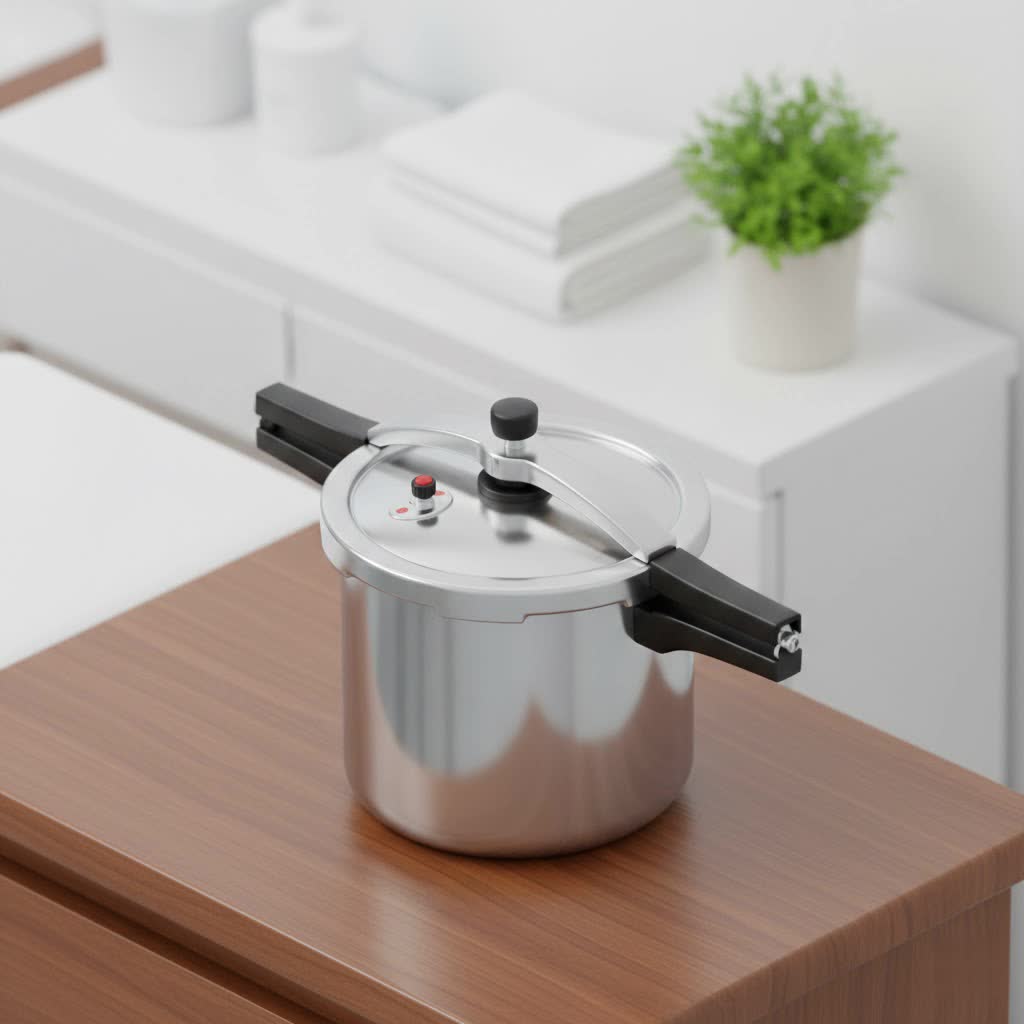
Stepping into the world of pressure cooking can feel like unlocking a secret weapon for your kitchen. If you’ve ever found yourself wishing for more time, healthier meals, and less hassle, the Power Cooker Pressure Cooker might just be the solution you’ve been searching for. These versatile appliances, often referred to simply as “power cookers” or electric pressure cookers, promise to revolutionize your cooking experience. With over a decade of hands-on experience in testing, repairing, and evaluating countless models, from basic stovetop units to advanced multi-cookers, I’m here to guide you through everything you need to know to choose the perfect one for your home.
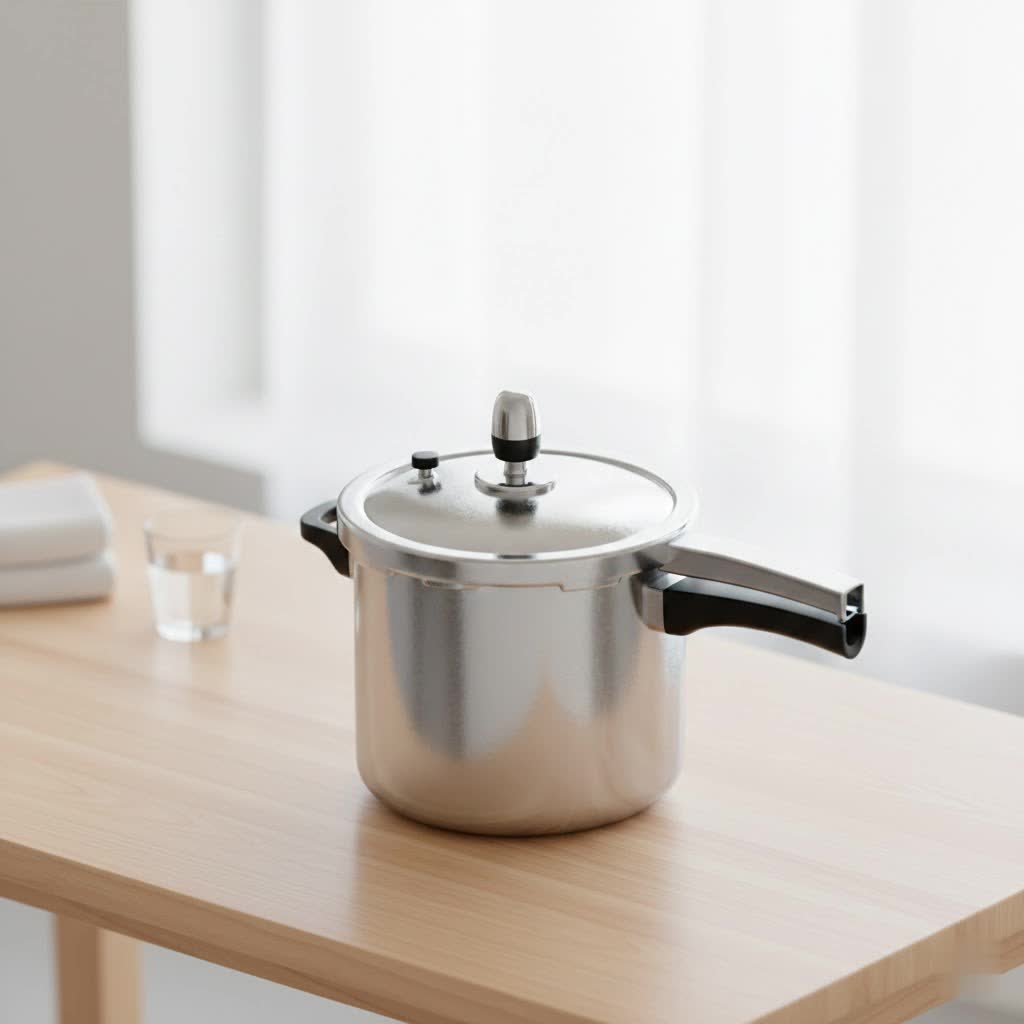
What is a Power Cooker Pressure Cooker? Why Do You Need One?
A power cooker pressure cooker is an electric appliance designed to cook food rapidly and efficiently by trapping steam inside a sealed pot, creating high pressure and temperature. This process dramatically speeds up cooking times compared to traditional methods, often by as much as 70%. Beyond sheer speed, these cookers are multi-functional, frequently combining the capabilities of several kitchen appliances into one, making them indispensable for modern households.
The core benefit of using a pressure cooker lies in its ability to condense cooking time, turning tough cuts of meat into tender delights in a fraction of the usual time. For instance, you can transform pork ribs into fall-off-the-bone perfection in just 40 minutes, or cook a whole frozen chicken in about an hour. This efficiency also extends to nutrient retention. Because food cooks faster with less liquid, more vitamins and minerals are locked into your meals, ensuring healthier outcomes. Moreover, modern electric pressure cookers are energy-efficient, keeping heat contained within the pot and saving up to 90% of the energy typically used by conventional cooking methods. Many models can also cook frozen foods directly, adding convenience to those busy weeknights when you forget to thaw ingredients.
Key Criteria When Choosing a Pressure Cooker
Selecting the right power cooker pressure cooker involves considering several factors to match your culinary needs and lifestyle. Paying attention to these criteria will help you make an informed decision and ensure long-term satisfaction.
-
Capacity: The ideal size depends on your household.
- 3-liter: Perfect for singles or couples.
- 6-liter (most common): Suitable for families of 3-5.
- 8-liter or larger: Best for big families, meal prepping, or entertaining.
Consider how many people you typically cook for and whether you plan to make large batches for leftovers.
-
Material: The inner pot material significantly impacts durability and ease of cleaning.
- Stainless Steel: Highly durable, non-reactive, and generally preferred for its longevity and ease of maintenance. It typically resists sticking better than basic non-stick coatings over time.
- Non-stick Coatings: Offers effortless food release and quick cleanup. However, some users report that non-stick coatings can peel or degrade over time, especially with frequent use or abrasive cleaning. If choosing non-stick, look for high-quality, PFOA-free options.
-
Safety Features: Modern pressure cookers are engineered with multiple safety mechanisms, making them far safer than their predecessors. Key features to look for include:
- Automatic Pressure Release Valve: This crucial component regulates and safely releases excess pressure.
- Lid Locking Mechanism: Prevents the lid from being opened while the pot is pressurized, eliminating accidental steam release.
- Anti-Blockage Vent: Designed to prevent food particles from clogging the pressure release valve, which could lead to unsafe pressure buildup.
- Temperature Sensors & Automatic Shut-off: These features monitor internal temperature and can power down the unit if it overheats, preventing damage or hazards.
- Cool-Touch Handles: Essential for safely moving the hot cooker or removing the lid.
- Gasket Release System/Overpressure Plug: An additional safety measure that allows excess pressure to escape if other systems fail.
-
Brand: While “Power Cooker” refers to a specific brand, the broader electric pressure cooker market includes many reputable manufacturers. Brands like Instant Pot, Cuisinart, and Ninja Foodi are well-known for their quality and innovation. Researching specific models and reading user reviews for customer service and product reliability is always a good practice.
Comparing Popular Pressure Cooker Types
The landscape of pressure cooking is primarily divided between traditional stovetop models and modern electric multi-cookers, which include brands like Power Cooker. Each offers distinct advantages based on your cooking style and preferences.
| Feature | Electric Pressure Cookers (e.g., Power Cooker) | Stovetop Pressure Cookers |
|---|---|---|
| Heat Source | Built-in electric heating element | Requires external heat source (gas, electric, induction stovetop) |
| Control | Digital control panel, pre-set programs, automatic pressure regulation | Manual control of heat and pressure release |
| Versatility | Often multi-cookers: pressure cook, slow cook, sauté, steam, rice, yogurt, etc. | Primarily pressure cooking, some may have steaming racks |
| Ease of Use | Generally more user-friendly, “set it and forget it” | Requires more active monitoring and experience |
| Safety | Multiple integrated safety features, quiet operation | Modern models are safe, but require careful handling, can be noisy |
| Space | Countertop appliance, can be bulky | Fits on stovetop, can be stored in cabinets |
| Cost | Typically higher initial investment | Generally less expensive |
Electric pressure cookers, like the Power Cooker, excel in convenience, offering precise temperature control and pre-programmed settings that simplify complex recipes. They are ideal for beginners and busy individuals who appreciate the hands-off approach. Stovetop models, on the other hand, provide seasoned cooks with greater manual control over pressure and heat, and often reach higher pressures for even faster cooking, although they require more attention during operation.
Top Power Cooker Pressure Cookers and Alternatives
While the Power Cooker XL gained popularity through its “as seen on TV” presence, the broader market for electric pressure cookers offers many excellent choices. When considering top-rated models, we focus on overall performance, durability, and user feedback.
-
Power Cooker XL (and similar brands): Praised by many users for its ability to tenderize meats and offer convenient slow cooking options. Customers often highlight its effectiveness in cooking frozen foods quickly. However, some reviews mention potential issues with the longevity of the inner pot’s non-stick coating and occasional challenges with the sealing gasket over time. It typically features an easy-to-use digital interface with various pre-set cooking functions like rice, stew, and canning.
-
Instant Pot Pro: Often cited as a top-tier multi-cooker, the Instant Pot Pro offers extensive functionality with 10-in-1 capabilities including pressure cook, slow cook, sous vide, sauté, and more. It boasts advanced features like a progress indicator and improved silicone handles for the inner pot. Its stainless steel inner pot is highly durable and easy to clean, and it performs exceptionally well in coming to pressure quickly.
-
Cuisinart 6-Quart Electric Pressure Cooker: Often recommended for beginners due to its simplistic design and ease of use. It focuses on core pressure cooking functions without overwhelming “bells and whistles,” making it an excellent entry point for those new to pressure cooking.
Regardless of the brand, a top electric pressure cooker should offer consistent cooking results, reliable safety mechanisms, and intuitive controls to enhance your kitchen experience.
How to Use and Maintain Your Pressure Cooker
Mastering your power cooker pressure cooker involves understanding basic operation and committing to regular maintenance, ensuring both safety and longevity.
Safe and Effective Usage
Pressure cooking can be intimidating at first, but modern appliances have made it incredibly safe and straightforward.
- Read the Manual: Always start by reviewing your specific model’s instruction manual. It provides crucial information on filling limits, safety features, and initial setup.
- Fill Correctly: Never overfill your pressure cooker. For most foods, the maximum fill line is two-thirds of the pot’s capacity. For foods that expand (like beans or rice), do not fill more than halfway. Overfilling can block the steam release valve and create unsafe pressure.
- Secure the Lid: Ensure the lid is properly aligned and locked according to your cooker’s instructions. The appliance will typically not build pressure if the lid isn’t sealed correctly.
- Choose Your Program: Utilize the pre-set functions for common dishes like soup, stew, rice, or poultry. For manual cooking, set the appropriate pressure level and cooking time. Remember that cook time starts after the cooker reaches full pressure, not from the moment you press “start.”
- Release Pressure Safely: Understand the different pressure release methods:
- Natural Release: Allows pressure to dissipate slowly over time. Ideal for foamy foods, large cuts of meat, or when the recipe calls for it.
- Quick Release: Manually opens the steam release valve to rapidly vent pressure. Use with caution as hot steam will escape.
- Automatic Release: Some advanced models offer programmed release options.
Our Picks for the Best Pressure Cooker in 2026We may earn a commission when you use one of our links to make a purchase.Num Product Action 1 Instant Pot Duo 7-in-1 Electric Pressure Cooker, Slow Cooker, Rice Cooker, Steamer, Sauté, Yogurt Maker, Warmer & Sterilizer, Includes App with Over 800 Recipes, Stainless Steel, 8 Quart 
2 Presto 01264 6-Quart Aluminum Pressure Cooker, Silver
3 Fullwill 9-in-1 Electric Pressure Cooker(2025 Upgraded), 12 Presets Instant Multi Cooker, Olla de Presion Nonstick Pot 6 Quarts
4 Instant Pot Duo 7-in-1 Electric Pressure Cooker, Slow Cooker, Rice, Steamer, Sauté, Yogurt Maker, Warmer & Sterilizer, Includes App With Over 800 Recipes, Stainless Steel, 6 Quart
5 Presto 01362 6-Quart Stainless Steel Pressure Cooker
6 COSORI Pressure Cooker 6QT, Stainless Steel, 9-in-1 Multi Cooker, 12 Safety Features, Ceramic Inner Pot, Rice, Slow Cook, Sous Vide, Saute, 1100W
7 18/8 Stainless Steel Pressure Cooker 8 Qt, [One-Hand Locking] Pressure Cooker,[3-In-1] Olla de Presion, Induction,Gas Stovetop Compatible, Includes Glass Lid & Steamer Rack
8 Barton Pressure Canner Release Valve Aluminum Canning Pot Cooker Pot Stove Top Instant Fast Cooking Pot Stewing Locking System (8 Quarts)
9 Instant Pot Duo 7-in-1 Mini Electric Pressure Cooker, Slow Rice Cooker, Steamer, Sauté, Yogurt Maker, Warmer & Sterilizer, Includes Free App with over 1900 Recipes, Stainless Steel, 3 Quart
10 3-In-1 Stainless Steel Pressure Cooker 8 QT: [Save 70% Time] [3 PSI Settings], One-Hand Locking, Induction Compatible, Glass Lid & Steamer Rack Included, Olla de Presion
Cleaning and Maintaining Your Pressure Cooker
Regular cleaning and maintenance are vital to keep your power cooker performing optimally and safely.
- After Every Use: Always wash the inner pot, lid, and sealing gasket with warm, soapy water. Food particles can accumulate in valves and seals, affecting performance and safety.
- Inspect the Gasket: The silicone sealing ring (gasket) is crucial. Inspect it for cracks, tears, or any signs of wear. Replace it if damaged or if you notice steam escaping during cooking, as a worn gasket can prevent proper pressure buildup.
- Clean Valves and Vents: Ensure the pressure release valve and anti-blockage vent are clear of any food debris. A small brush or toothpick can be useful for this.
- Empty Condensation Collector: Many electric models have a condensation collector on the back. Empty and clean it after each use to prevent odors or bacterial growth.
- Store Properly: Store your pressure cooker in a dry place. Avoid storing the lid locked onto the pot, as this can compress the gasket and shorten its lifespan.
Where to Buy a Pressure Cooker and What to Expect on Price
When you’re ready to purchase a power cooker pressure cooker, you have several reliable avenues to explore, each offering different advantages. Understanding the general price ranges can also help set your expectations.
Reputable Retail Channels
- Major Electronic Retailers & Department Stores: Stores like Walmart, Target, Best Buy, or Macy’s often carry a wide selection of electric pressure cookers, including popular brands. You can physically see the models, compare sizes, and often get advice from sales associates.
- Online Marketplaces: Amazon, eBay, and the official brand websites (e.g., PowerPressureCooker.com, InstantBrands.com) offer the largest variety, competitive pricing, and the convenience of home delivery. However, you can’t inspect the product in person.
- Specialty Kitchen Stores: These stores might offer a more curated selection and expert advice, though prices may be slightly higher.
Price Segments
Pressure cookers come in a range of prices, reflecting their capacity, features, and brand reputation.
- Budget-Friendly ($50 – $80): These often include basic electric pressure cookers with essential functions. They might have smaller capacities or fewer pre-set programs but are excellent for those new to pressure cooking or with straightforward needs.
- Mid-Range ($80 – $150): This is where most popular multi-cookers, including many Power Cooker XL models and entry-to-mid-level Instant Pots, fall. They offer a good balance of features, capacity, and performance for the average family.
- Premium ($150+): High-end models typically feature larger capacities, more advanced functionalities (like sous vide or air frying attachments), more robust build quality (e.g., all stainless steel interiors), and sophisticated digital controls. These are for serious home cooks or those who desire maximum versatility.
Remember that sale events, especially around holidays, can significantly impact prices, so it’s worth keeping an eye out for deals.
Buying Guide: Expert Advice for Your Pressure Cooker Purchase
As someone who has seen countless pressure cookers in action, here’s my straightforward advice to ensure you make the best choice for your kitchen:
- Define Your Needs Clearly: Before looking at models, ask yourself: How many people do I cook for? What types of dishes do I want to prepare (e.g., quick weeknight meals, slow-cooked stews, canning)? Do I need multiple functions (sauté, slow cook, steam) or just pressure cooking? Your answers will narrow down the field significantly.
- Prioritize Safety Features: Always verify that any model you consider has robust safety mechanisms like a reliable lid lock, multiple pressure release valves, and automatic temperature control. Modern pressure cookers are designed to be safe, but a quick check ensures peace of mind.
- Read User Reviews (Critically): User reviews offer invaluable real-world insights. Look for patterns in feedback regarding durability, ease of cleaning, customer service, and common complaints. Be wary of overly positive or negative reviews that lack detail.
- Consider the Inner Pot Material: While non-stick is convenient, stainless steel inner pots generally offer greater longevity and resistance to wear, even if they require a bit more effort to clean initially. Many seasoned cooks prefer stainless steel for its durability.
- Compare Features vs. Price: Don’t just go for the cheapest or most expensive. Evaluate the features each model offers against its price. Sometimes, a slightly higher investment for a more versatile or durable model will pay off in the long run.
- Check Warranty and Support: A good warranty and responsive customer support are indicators of a manufacturer’s confidence in their product. This is particularly important for appliances with electronic components.
> “The greatest pressure cooker isn’t the one with the most features, but the one you feel confident and comfortable using regularly to create delicious, wholesome meals.” – Admin, Reviewmylp.com
Conclusion
The power cooker pressure cooker stands as a testament to culinary innovation, offering a powerful blend of speed, efficiency, and versatility that can transform your daily cooking routine. From drastically reducing meal preparation times to preserving vital nutrients and simplifying cleanup, these electric multi-cookers are designed to fit seamlessly into a busy modern lifestyle. By carefully considering factors like capacity, material, and critical safety features, and by researching reputable brands, you can confidently select an appliance that not only meets your needs but also enhances your joy in the kitchen.
Are you ready to embrace the convenience and culinary potential of a power cooker pressure cooker in your own home?
Câu Hỏi Thường Gặp
What is the difference between a “Power Cooker” and an “Instant Pot”?
While both are electric multi-cookers and function similarly, “Power Cooker” (often “Power Pressure Cooker XL”) is a specific brand, frequently marketed with a focus on speed and ease of use. “Instant Pot” is another distinct and highly popular brand, known for its extensive range of models, advanced functionalities, and a large community of users. The fundamental pressure cooking principle is the same, but features, interfaces, and specific programs can vary between brands.
Can I really cook frozen meat in a power cooker pressure cooker?
Yes, you absolutely can! One of the significant advantages of electric pressure cookers is their ability to cook frozen meats without prior thawing. You’ll typically need to add an extra 10-15 minutes to the cooking time specified for thawed ingredients. This feature is a game-changer for spontaneous meal preparation and busy schedules, ensuring you can still get a delicious and tender meal on the table quickly.
Are pressure cookers safe to use, especially electric models?
Modern electric pressure cookers are remarkably safe, incorporating numerous redundant safety mechanisms. These include lid locks that prevent opening under pressure, automatic pressure and temperature controls, anti-blockage vents, and secondary safety valves. These features work together to prevent accidents and ensure a secure cooking environment, making today’s pressure cookers very different from older, less reliable stovetop models.
How do I prevent food from sticking to the bottom of my pressure cooker?
To prevent food from sticking, ensure you always add enough liquid to the pot, as pressure cooking relies on steam. For sautéing, use a small amount of oil or butter. If your inner pot is non-stick, avoid using metal utensils that could scratch the coating. If you have a stainless steel pot, consider deglazing after sautéing or using a trivet to elevate food above the liquid for steaming.
What maintenance is required for the sealing ring or gasket?
The sealing ring (gasket) is crucial for creating an airtight seal. It should be removed and washed after every use to prevent food residue buildup. Regularly inspect it for any cracks, tears, or hardening, as these signs indicate it’s time for a replacement. Many manufacturers recommend replacing the gasket every 12-18 months, or sooner if you notice steam escaping during operation, to maintain optimal performance and safety.