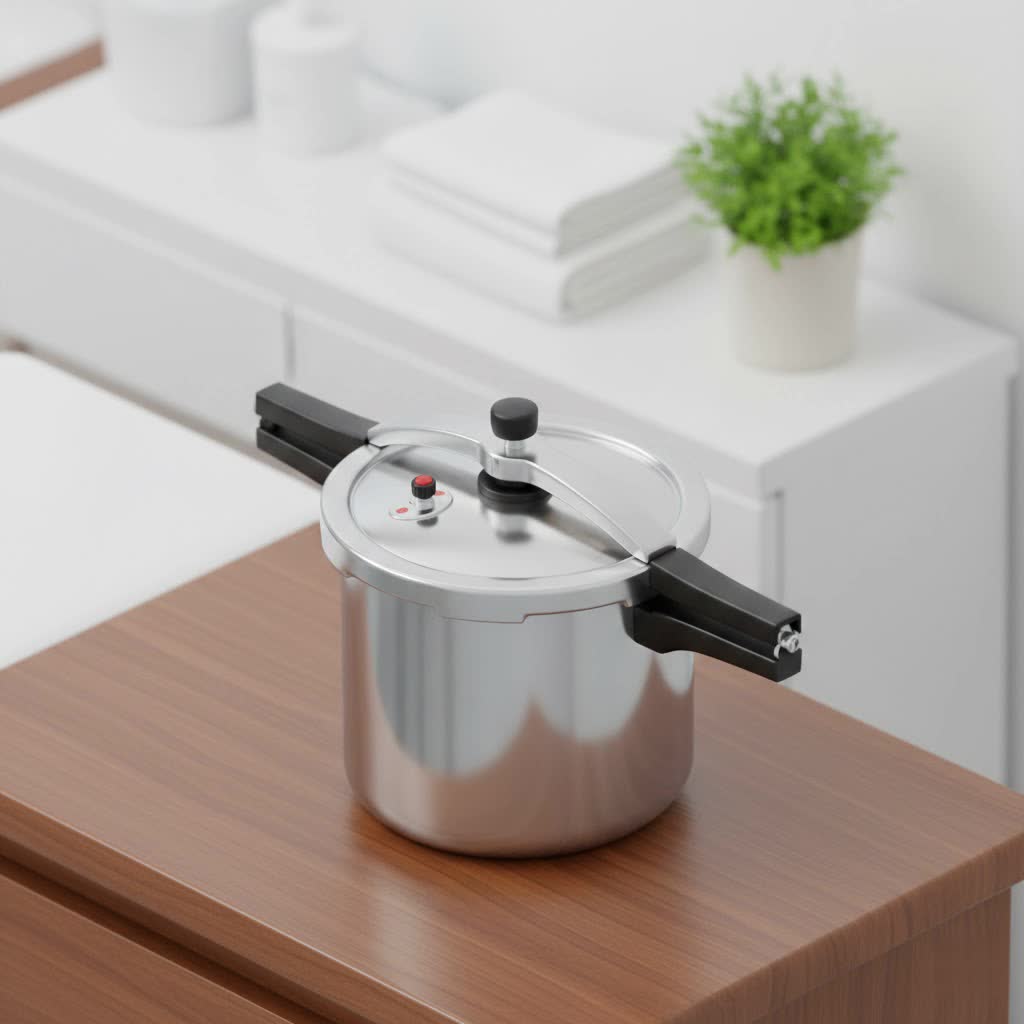
Have you ever wished for a kitchen appliance that could transform tough cuts of meat into tender masterpieces or cook dried beans in a fraction of the time? A stovetop pressure cooker is precisely that, offering a blend of efficiency, flavor enhancement, and nutritional preservation that modern kitchens crave. Far from the intimidating gadgets of yesteryear, today’s stovetop models are safe, reliable, and a game-changer for home cooks. This comprehensive guide will navigate you through everything you need to know, from understanding their benefits to selecting the perfect model to suit your culinary adventures.
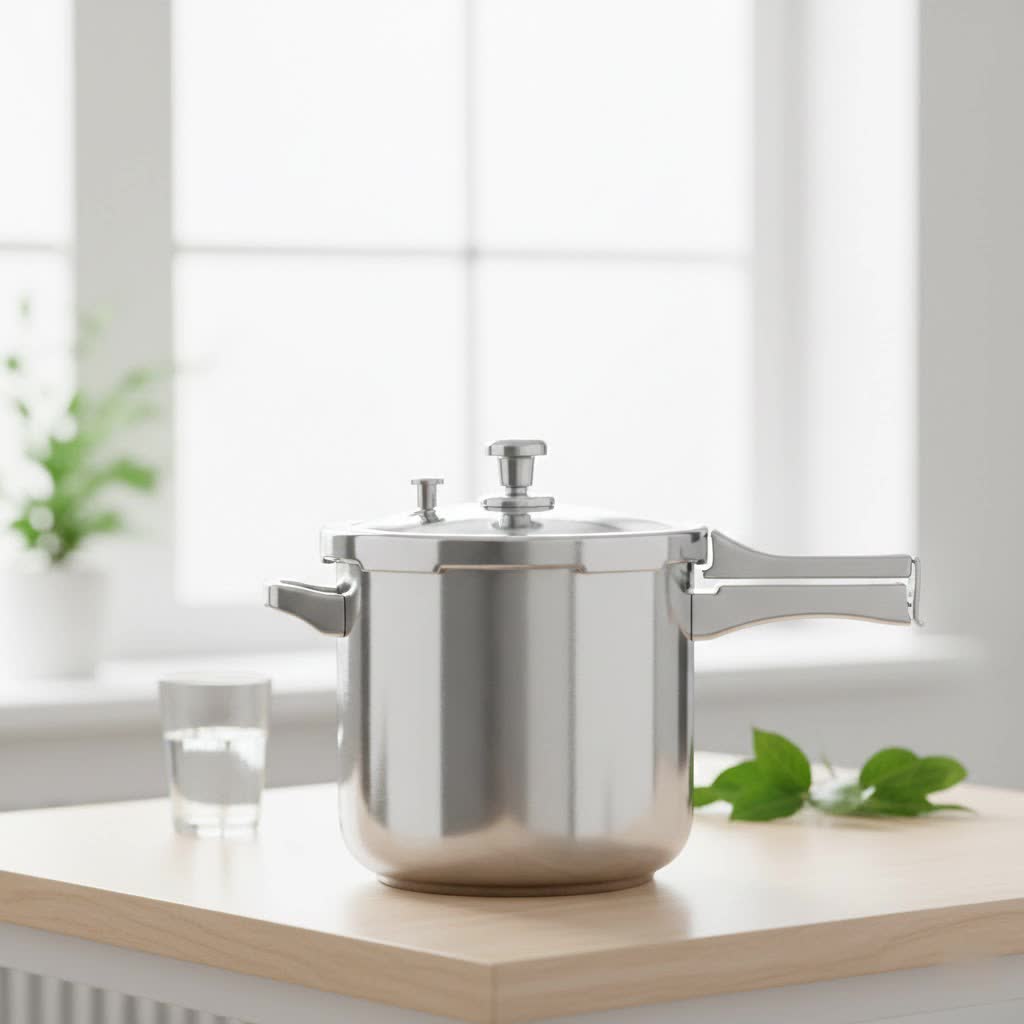
What is a Stovetop Pressure Cooker and Why Do You Need One?
A stovetop pressure cooker is a specialized pot with a tightly sealing lid that, when heated, builds up internal pressure. This increased pressure raises the boiling point of water, cooking food at higher temperatures than conventional methods. The result? Dramatically reduced cooking times—often by 70% or more—while locking in flavors and nutrients.
The benefits extend beyond just speed. Imagine infusing rich aromas into your stews, achieving fall-off-the-bone tenderness for roasts, or preparing wholesome grains and legumes without hours of simmering. Stovetop pressure cookers excel at searing ingredients directly on the hob, creating a depth of flavor through the Maillard reaction that many electric counterparts struggle to achieve. They are also known for their robust construction and longevity, often becoming cherished kitchen heirlooms passed down through generations. Unlike electric multicookers, stovetop models harness the full power of your existing cooktop, offering greater control over heat for precise cooking.
Essential Criteria for Choosing Your Stovetop Pressure Cooker
Selecting the right stovetop pressure cooker involves considering several key factors that impact performance, safety, and durability.
Capacity: Finding the Perfect Size for Your Needs
The ideal capacity depends on your household size and cooking habits.
- 3-4 liters: Ideal for individuals or couples, perfect for small batches of grains, vegetables, or sauces.
- 6-8 liters: The most versatile range for average families, suitable for everyday meals, roasts, and larger batches.
- 10-16+ liters: Essential for large families, entertaining, or if you plan to use your pressure cooker for home canning. A larger surface area also aids in searing.
|
Our Picks for the Best Pressure Cooker in 2026
We may earn a commission when you use one of our links to make a purchase.
|
||
| Num | Product | Action |
|---|---|---|
| 1 | 3-In-1 Stainless Steel Pressure Cooker 8 QT: [Save 70% Time] [3 PSI Settings], One-Hand Locking, Induction Compatible, Glass Lid & Steamer Rack Included, Olla de Presion |
![Check 3-In-1 Stainless Steel Pressure Cooker 8 QT: [Save 70% Time] [3 PSI Settings], One-Hand Locking, Induction Compatible, Glass Lid & Steamer Rack Included, Olla de Presion on Amazon](https://reviewmylp.com/wp-content/plugins/amazon-tables/assets/images/buy.png)
|
| 2 | Instant Pot Duo 7-in-1 Electric Pressure Cooker, Slow Cooker, Rice Cooker, Steamer, Sauté, Yogurt Maker, Warmer & Sterilizer, Includes App with Over 800 Recipes, Stainless Steel, 8 Quart |
|
| 3 | Instant Pot Duo 7-in-1 Electric Pressure Cooker, Slow Cooker, Rice, Steamer, Sauté, Yogurt Maker, Warmer & Sterilizer, Includes App With Over 800 Recipes, Stainless Steel, 6 Quart |
|
| 4 | COSORI Pressure Cooker 6QT, Stainless Steel, 9-in-1 Multi Cooker, 12 Safety Features, Ceramic Inner Pot, Rice, Slow Cook, Sous Vide, Saute, 1100W |
|
| 5 | 18/8 Stainless Steel Pressure Cooker 8 Qt, [One-Hand Locking] Pressure Cooker,[3-In-1] Olla de Presion, Induction,Gas Stovetop Compatible, Includes Glass Lid & Steamer Rack |
|
| 6 | Barton Pressure Canner Release Valve Aluminum Canning Pot Cooker Pot Stove Top Instant Fast Cooking Pot Stewing Locking System (8 Quarts) |
|
| 7 | Presto 01264 6-Quart Aluminum Pressure Cooker, Silver |
|
| 8 | Presto 01362 6-Quart Stainless Steel Pressure Cooker |
|
| 9 | Instant Pot Duo 7-in-1 Mini Electric Pressure Cooker, Slow Rice Cooker, Steamer, Sauté, Yogurt Maker, Warmer & Sterilizer, Includes Free App with over 1900 Recipes, Stainless Steel, 3 Quart |
|
| 10 | Fullwill 9-in-1 Electric Pressure Cooker(2025 Upgraded), 12 Presets Instant Multi Cooker, Olla de Presion Nonstick Pot 6 Quarts |
|
Material: Stainless Steel vs. Aluminum
The material of your pressure cooker significantly influences its performance and care requirements.
- Stainless Steel: Known for its exceptional durability, resistance to corrosion, and non-reactive surface, which means it won’t react with acidic foods. Stainless steel models often feature a thick, encapsulated base for even heat distribution and are typically induction-compatible. They tend to be heavier and may take longer to heat up, but maintain temperature consistently.
- Aluminum: Lighter and generally more affordable, aluminum pressure cookers heat up very quickly and are highly responsive to temperature changes. However, they can be less durable, may stain with certain foods, and are not always induction-compatible. Budget-friendly models often use aluminum.
Safety Features: Prioritizing Your Peace of Mind
Modern pressure cookers are designed with multiple safety mechanisms to prevent accidents. Look for:
- Automatic Pressure Release Valves: These prevent excessive pressure buildup by releasing steam if the internal pressure becomes too high.
- Secure Lid Locking Mechanisms: A safe lid should be easy to lock into place and impossible to open until all pressure has been released. Features like easy-clip systems or external locking arms enhance safety.
- Pressure Indicators: A visual indicator (like a float valve that rises, a jiggler, or a gauge) clearly shows when pressure has been reached and when it’s safe to open the lid.
- Cool-Touch Handles: Ergonomically designed handles made from heat-resistant materials ensure safe handling, especially when moving the hot pot.
Pressure Level (PSI): The “Magic” 15 PSI
Many traditional pressure cooking recipes are developed for 15 pounds per square inch (psi) of pressure, equivalent to approximately 250°F (120°C). Cooking at this pressure ensures optimal results, especially for browning and achieving the Maillard reaction, which develops deep, complex flavors. While some pressure cookers operate at lower PSIs (10-12 psi), a model capable of consistently reaching 15 psi offers greater versatility and adherence to classic recipes. Pressure-regulated weight valves are often praised for their accuracy in maintaining 15 psi.
Lid Design and Sealing: Effortless Operation
A well-designed lid is critical for both safety and user experience. Simple, intuitive locking mechanisms, such as those that clip into place with a single button or twist, are preferred over fiddly designs. The lid must form a tight, reliable seal every time to allow pressure to build efficiently.
Cooktop Compatibility: Ensuring Versatility
If you have an induction cooktop, ensure your chosen pressure cooker is explicitly labeled as induction-compatible. Most stainless steel models are, but many aluminum ones are not.
Durability and Maintenance: A Long-Term Investment
A high-quality stovetop pressure cooker is a long-term investment. Consider brands known for their robust build and readily available spare parts, particularly gaskets, which are consumable items that need occasional replacement.
Top Stovetop Pressure Cookers: A Detailed Comparison
Based on rigorous testing and user feedback, several stovetop pressure cookers consistently rise to the top for their performance, safety, and durability.
T-Fal Clipso Pressure Cooker
The T-Fal Clipso stands out for its user-friendly design and excellent performance. Made from durable stainless steel, it boasts an easy-locking lid that secures with a simple button, eliminating the fuss often associated with stovetop models. Its heavy, flat bottom ensures even heat distribution, making it superb for searing and sautéing before pressure cooking. The Clipso features a spring-loaded pressure release valve, offering a more controlled steam release similar to electric models. While its maximum operating pressure is typically around 12 psi, it’s a reliable choice for daily cooking.
Ideal User: Home cooks seeking a dependable, easy-to-use stainless steel pressure cooker for a variety of everyday meals, who value simple operation and effective searing.
Presto 16-Quart Pressure Canner and Cooker
For those with serious canning aspirations or a need for large batch cooking, the Presto 16-Quart model is an undisputed champion. Crafted from aluminum, its generous capacity can accommodate up to 10 pint-sized or 7 quart-sized mason jars. This cooker includes a clear pressure gauge that accurately displays up to 20 psi, making it ideal for precision canning where specific pressure levels are crucial. Its wide cooking surface provides ample room for searing larger cuts of meat. The Presto automatically releases some steam when it reaches 15 psi, enhancing safety.
Ideal User: Dedicated canners, individuals preparing meals for large families, or those who frequently cook big batches of ingredients like stock or dried beans.
IMUSA 7 Quart Stovetop Aluminum Pressure Cooker
If you’re looking for an entry-level or budget-friendly option, the IMUSA 7 Quart aluminum pressure cooker offers surprising value. Its aluminum construction means it heats up rapidly and is highly responsive to temperature changes. It’s a moderately sized pot, large enough for many family meals, and can even double as a regular stockpot. While its maximum pressure is around 10 psi and its jiggler-style release mechanism requires manual attention, it performs well for general pressure cooking tasks like vegetables, rice, and delicate foods.
Ideal User: Budget-conscious cooks, those new to pressure cooking, or anyone needing an affordable, lightweight option for occasional use.
Kuhn Rikon Duromatic/Neo Pressure Cooker
Hailing from Switzerland, Kuhn Rikon pressure cookers are renowned for their superior build quality, robust feel, and quiet operation. These stainless steel models feature a “super-thermic” sandwich bottom for energy-efficient heat transmission and distribution. Users consistently praise their ability to reach and maintain 15 psi, which is excellent for optimal cooking results and flavor development. While they represent a higher investment, their exceptional durability and performance make them a long-lasting staple in many kitchens.
Ideal User: Enthusiastic home cooks looking for a high-quality, durable, and precise stainless steel pressure cooker with excellent cooking performance.
Fissler Vitaquick Stovetop Pressure Cooker
Fissler’s Vitaquick line is another top-tier choice, often lauded by experts for its high pressure capabilities and superior sealing. America’s Test Kitchen has noted Fissler’s ability to reach higher temperatures (250°F) due to its efficient pressure and tight seal. Made from premium stainless steel, Fissler models offer impressive performance and safety features, including a convenient positioning aid for the lid.
Ideal User: Discerning cooks who prioritize top-tier performance, precise pressure control, and a durable, high-end appliance.
Mastering Your Stovetop Pressure Cooker: Usage and Care Tips
Using a stovetop pressure cooker effectively and safely is key to unlocking its full potential.
Safe Operation: A Few Golden Rules
Always begin by thoroughly reading your pressure cooker’s manual. It contains crucial safety information, specific operating instructions for your model, and often helpful cooking charts. Ensure the lid is correctly sealed before heating; if it’s not locked securely, pressure cannot build, and steam could escape unexpectedly. Avoid overfilling the pot – typically no more than two-thirds full for most foods, and half full for foods that expand, like beans or grains, to prevent blockages.
Pressure Release Methods: Choose Wisely
Understanding how to release pressure is as important as building it.
- Natural Release: Simply remove the pressure cooker from the heat and allow it to cool down naturally. The pressure will gradually dissipate, which is ideal for meats, stews, and frothy foods (like beans) as it prevents sudden depressurization that can toughen meat or cause foam to erupt from the valve.
- Quick Release: This involves manually releasing the steam through a valve or button on the lid. It’s faster and best for delicate vegetables that you don’t want to overcook. Be cautious, as a strong jet of hot steam will be released.
- Cold Water Release: For the fastest depressurization on some older or specific stovetop models, you can run cold water over the lid. Always check your manual before attempting this, and avoid submerging the entire pot, as it can damage the seals or warp the metal.
Cleaning and Maintenance: Prolonging Lifespan
After each use, clean your pressure cooker thoroughly. Pay special attention to the gasket (sealing ring) and any valves, ensuring they are free from food particles that could obstruct their function. Gaskets can absorb odors over time; storing the lid upside down or with a paper towel inside can help. Inspect the gasket regularly for cracks or stiffness and replace it as needed, typically every 1-2 years depending on frequency of use. Proper cleaning and maintenance ensure optimal performance and safety for years to come.
Extending Lifespan: Simple Habits
Store your pressure cooker in a dry place. If you have a large canner, it can often store smaller pots inside to save space. Regularly check all components for wear and tear, especially the pressure gauge (if applicable) and safety valves. Being proactive with maintenance will significantly extend the life of your appliance.
Where to Buy and What to Expect: Pricing & Availability
Stovetop pressure cookers are widely available from various retailers, both online and in brick-and-mortar stores.
- Online Retailers: Amazon, Walmart, Target, and specialty kitchenware websites often offer the widest selection and competitive pricing.
- Department Stores & Home Goods Stores: Macy’s, Bed Bath & Beyond, and other similar stores can carry a range of popular brands.
- Specialty Culinary Stores: These shops may offer expert advice and a curated selection of higher-end models like Kuhn Rikon or Fissler.
Price Segmentation:
- Budget-friendly (under $80): Typically aluminum models or smaller stainless steel options, good for basic functionality (e.g., IMUSA, some Presto models).
- Mid-range ($80-$150): Offers a good balance of features, materials (often stainless steel), and quality (e.g., T-Fal Clipso, larger Presto models).
- Premium ($150+): High-end stainless steel, advanced safety features, superior build quality, and precise pressure control (e.g., Kuhn Rikon, Fissler).
Always compare prices, check for current deals, and read recent customer reviews. Ensure the retailer offers a good warranty and accessible customer service in case you need parts or support.
Your Buying Guide Checklist: Making the Right Choice
To ensure you select the Best Stovetop Pressure Cooker for your kitchen, ask yourself these questions:
- What is my primary use case? (Everyday cooking, canning, large batches, specific recipes?)
- How many people will I typically cook for? (This determines the ideal capacity.)
- Do I prefer stainless steel for durability and even heating, or aluminum for speed and a lower price point?
- Are safety features intuitive and robust on my chosen model?
- Is 15 psi operation important for my recipes, or is a lower pressure sufficient?
- Does it have an easy-to-use lid locking mechanism?
- Is it compatible with my specific stovetop (e.g., induction)?
- What is the brand’s reputation for quality, warranty, and availability of replacement parts?
- What is my budget, and does this model offer the best value within that range?
By carefully considering these points, you’ll be well-equipped to make an informed decision and invest in a stovetop pressure cooker that will serve you well for many years.
“A stovetop pressure cooker is a fundamental tool for any serious home cook, offering unparalleled efficiency and flavor development that simply can’t be replicated by conventional cooking methods.” – Admin of Reviewmylp.com, Pressure Cooker Technician
Frequently Asked Questions
What is the difference between a stovetop and an electric pressure cooker?
Stovetop pressure cookers are manual and placed on a hob, reaching higher temperatures and pressures (often 15 psi), making them superior for searing and durability. Electric models, or multicookers, have built-in heating elements and offer automated programs and presets, typically operating at slightly lower pressures (around 10-12 psi) but offering greater convenience.
Is 15 psi really necessary for pressure cooking?
While many modern recipes are adaptable to lower pressures, 15 psi is the standard pressure level for most classic pressure cooker recipes and is often considered “magic” for achieving optimal texture and flavor, particularly for meats and tough vegetables, due to the higher cooking temperature it provides.
How do I know when my stovetop pressure cooker has reached pressure?
Most stovetop pressure cookers have a visual indicator, such as a float valve that rises, a jiggler weight that begins to rock and hiss, or a pressure gauge that displays the internal pressure. Always refer to your specific model’s manual for precise instructions.
How do I safely release pressure from my stovetop pressure cooker?
You can use natural release (removing from heat and letting it cool), quick release (manually opening a valve to vent steam), or, for some older models, cold water release (running water over the lid). Natural release is safer for frothy foods and meats, while quick release is faster for vegetables. Always keep your face and hands away from escaping steam.
Can I use my stovetop pressure cooker for canning?
Yes, many larger stovetop pressure cookers (typically 16 quarts or more) can also function as pressure canners for low-acid foods. However, it’s crucial to use a model specifically designed and tested for canning, often equipped with a precise pressure gauge, and to follow tested canning recipes and guidelines meticulously for food safety.