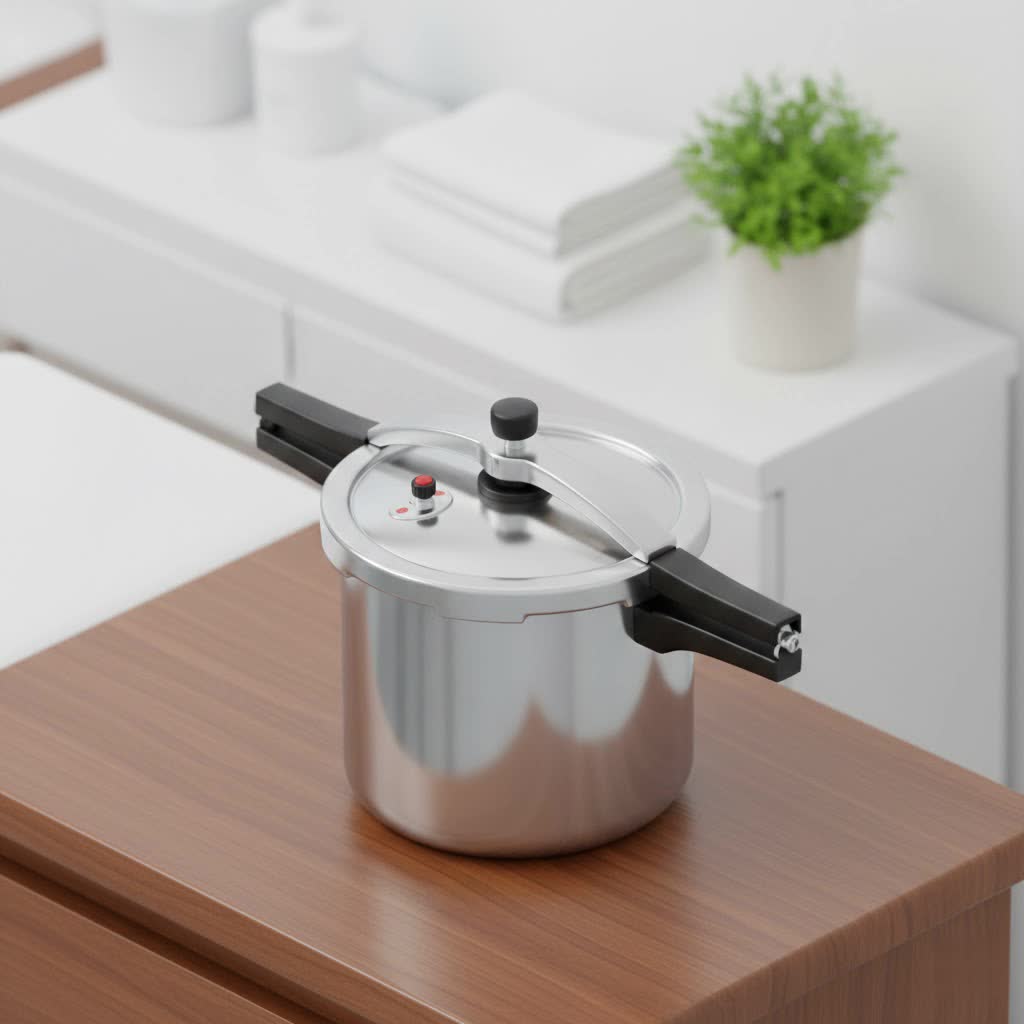
In today’s fast-paced world, where efficiency and space are often at a premium, the Mini Pressure Cooker emerges as an indispensable kitchen hero. This compact appliance transforms meal preparation, delivering delicious, healthy dishes in a fraction of the time traditional methods require. Whether you’re a busy professional, a college student in a dorm, or part of a small household, understanding the unique advantages and features of these pint-sized powerhouses can revolutionize your cooking experience. This guide will walk you through everything you need to know to select, use, and maintain the perfect mini pressure cooker for your lifestyle.
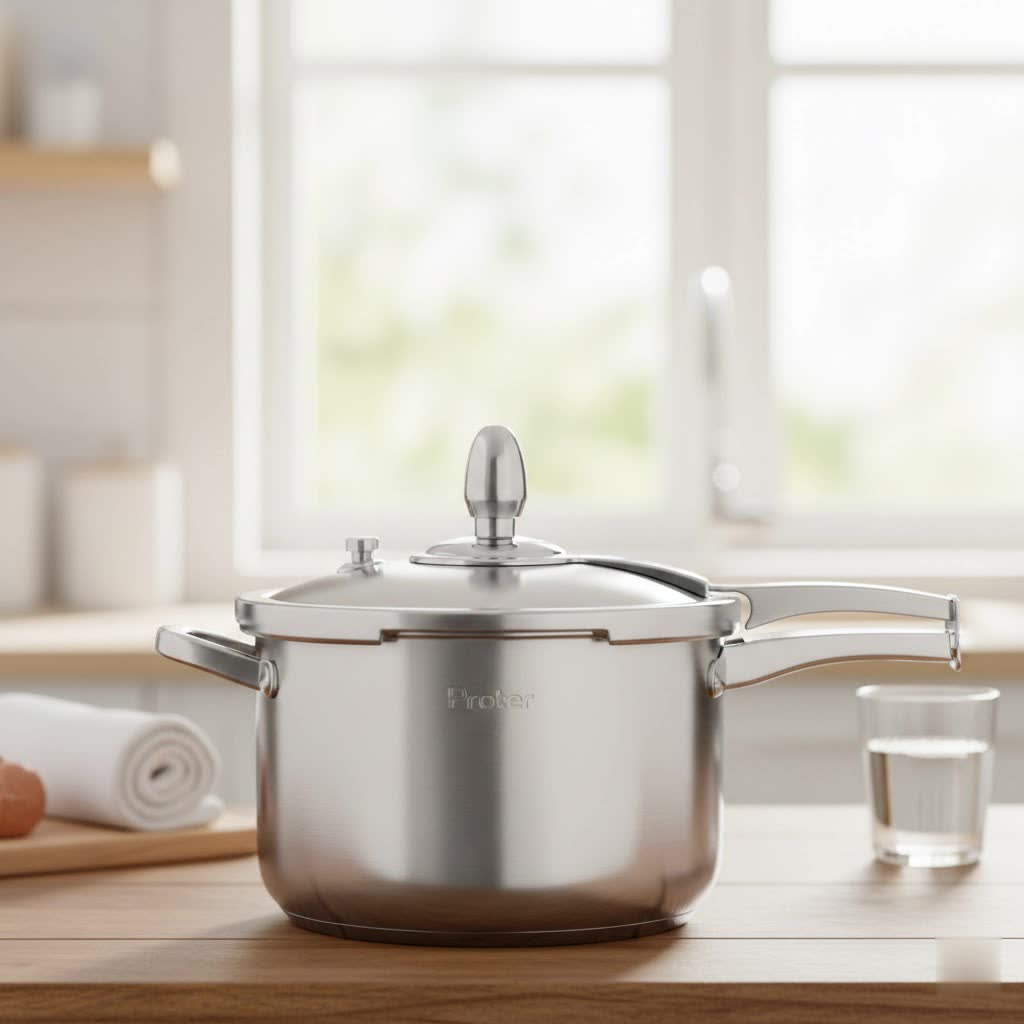
What is a Mini Pressure Cooker and Why Do You Need One?
A mini pressure cooker is a scaled-down version of its traditional counterpart, typically ranging from 1 to 4 quarts (approximately 1 to 3.8 liters) in capacity. It operates on the same principle: by trapping steam, it increases internal pressure and raises the boiling point of water, significantly reducing cooking times while locking in nutrients and flavors.
The compelling benefits of opting for a mini pressure cooker are numerous. First and foremost, they are perfect for small portions, making them ideal for individuals, couples, or small families of up to three members. This helps in reducing food waste by allowing you to cook just the right amount. Their smaller capacity also means they heat up and build pressure much faster than larger models, translating to quicker meals and significant energy savings. For those with limited kitchen space—be it a cozy apartment, a dorm room, or an RV—their compact size and portability are unmatched, fitting neatly into cabinets or even a travel bag. Beyond efficiency, pressure cooking naturally retains more nutrients and enhances the flavor of your meals, making healthy eating both easy and delicious.
Mini pressure cookers come in two primary types: stovetop and electric. Stovetop models are often simpler, durable, and rely on your hob’s heat. Electric models, like the popular Instant Pot Mini, offer multi-cooker functionality with preset programs, often combining pressure cooking with slow cooking, sautéing, steaming, and even yogurt making, providing hands-off convenience.
Essential Factors for Choosing Your Perfect Mini Pressure Cooker
Selecting the right mini pressure cooker involves considering several key aspects to ensure it aligns perfectly with your cooking habits and kitchen setup.
Capacity: Finding Your Ideal Size
|
Our Picks for the Best Pressure Cooker in 2026
We may earn a commission when you use one of our links to make a purchase.
|
||
| Num | Product | Action |
|---|---|---|
| 1 | Presto 01362 6-Quart Stainless Steel Pressure Cooker |

|
| 2 | Instant Pot Duo 7-in-1 Mini Electric Pressure Cooker, Slow Rice Cooker, Steamer, Sauté, Yogurt Maker, Warmer & Sterilizer, Includes Free App with over 1900 Recipes, Stainless Steel, 3 Quart |
|
| 3 | 3-In-1 Stainless Steel Pressure Cooker 8 QT: [Save 70% Time] [3 PSI Settings], One-Hand Locking, Induction Compatible, Glass Lid & Steamer Rack Included, Olla de Presion |
|
| 4 | Barton Pressure Canner Release Valve Aluminum Canning Pot Cooker Pot Stove Top Instant Fast Cooking Pot Stewing Locking System (8 Quarts) |
|
| 5 | 18/8 Stainless Steel Pressure Cooker 8 Qt, [One-Hand Locking] Pressure Cooker,[3-In-1] Olla de Presion, Induction,Gas Stovetop Compatible, Includes Glass Lid & Steamer Rack |
|
| 6 | Presto 01264 6-Quart Aluminum Pressure Cooker, Silver |
|
| 7 | COSORI Pressure Cooker 6QT, Stainless Steel, 9-in-1 Multi Cooker, 12 Safety Features, Ceramic Inner Pot, Rice, Slow Cook, Sous Vide, Saute, 1100W |
|
| 8 | Fullwill 9-in-1 Electric Pressure Cooker(2025 Upgraded), 12 Presets Instant Multi Cooker, Olla de Presion Nonstick Pot 6 Quarts |
|
| 9 | Instant Pot Duo 7-in-1 Electric Pressure Cooker, Slow Cooker, Rice, Steamer, Sauté, Yogurt Maker, Warmer & Sterilizer, Includes App With Over 800 Recipes, Stainless Steel, 6 Quart |
|
| 10 | Instant Pot Duo 7-in-1 Electric Pressure Cooker, Slow Cooker, Rice Cooker, Steamer, Sauté, Yogurt Maker, Warmer & Sterilizer, Includes App with Over 800 Recipes, Stainless Steel, 8 Quart |
|
The capacity of your mini pressure cooker is paramount. For a single individual or to prepare side dishes, a 1 to 1.5-liter (1-1.6 quart) model, sometimes referred to as a “baby cooker,” is sufficient. A 3-liter (3.2 quart) or 4-quart (3.8 liter) pressure cooker is generally considered the sweet spot for a small family of two to three people, offering enough room for main dishes without being overly bulky.
Remember the golden rule: never overfill your pressure cooker. For solid foods, fill it no more than two-thirds full, and for dishes with pulses or ingredients that expand, limit it to one-third of its capacity to ensure safe operation and optimal results.
Material Matters: Stainless Steel vs. Aluminum
The material of your pressure cooker affects its durability, heat distribution, and safety.
- Stainless Steel: Highly durable, non-reactive with food, and easy to clean. It heats more slowly than aluminum but distributes heat very evenly. Many electric multi-cookers feature stainless steel inner pots, which are considered the best material for these appliances due to their longevity and safety.
- Aluminum: Lighter and typically more affordable, aluminum heats up quickly. However, it can react with acidic foods, potentially altering flavor and leaching into food. Hard-anodized aluminum offers improved scratch resistance and non-reactivity but generally comes at a higher price point.
For health and long-term performance, stainless steel is often recommended, especially for multi-functional electric models.
Safety First: Non-Negotiable Features
Modern mini pressure cookers are engineered with multiple safety mechanisms, making them significantly safer than older models. Always prioritize these features:
- Automatic Pressure Release Valve: Ensures excess pressure is safely vented, preventing dangerous buildup.
- Secure Locking Mechanism: The lid must lock tightly and should not be able to open until the pressure has fully released.
- Overheating Protection: Essential for electric models, this sensor prevents the cooker from exceeding safe temperatures.
- Gasket Release System/Metallic Safety Plug: Additional safety measures that activate if primary pressure release systems fail.
A reputable brand will always highlight these safety features, providing peace of mind during use.
Brands and Features: What to Look For
While many brands offer quality pressure cookers, Instant Pot has become synonymous with electric multi-cookers, including a popular mini version. When exploring options, consider these features:
- Multi-Cooker Functions: Electric models often offer a range of functions like sautéing, slow cooking, steaming, making rice, and even yogurt. Decide which functions are essential for your cooking style.
- Preset Programs: These simplify cooking by offering one-touch settings for common dishes.
- Induction Compatibility: If you have an induction stovetop, ensure any stovetop mini pressure cooker you choose is induction-compatible.
- Ease of Cleaning: Dishwasher-safe inner pots and accessories are a huge plus for convenience. A non-stick inner pot can also make cleaning easier, though stainless steel is generally preferred for durability.
- Accessories: Some models come with steamer baskets, racks, or measuring cups, adding to their versatility.
Comparing Popular Mini Pressure Cooker Models
While it’s difficult to list every model, the Instant Pot Duo Mini (3-Quart/3.8L) stands out as a highly popular electric option. It distills the most-loved features of its larger siblings into a compact form, offering multiple cooking programs, a “keep warm” function, and a durable stainless steel inner pot. Reviewers often praise its ability to cook beans, rice, stews, and even eggs to perfection, making it an excellent choice for solo cooks or small households who want versatility in a small footprint. For stovetop options, look for brands known for robust construction and reliable safety mechanisms, focusing on stainless steel models with ergonomic handles and easy-to-use lid-locking systems.
Unleashing Your Mini Pressure Cooker: Usage and Care Tips
Getting the most out of your mini pressure cooker involves understanding basic usage and committed care.
Getting Started: Safe and Effective Use
- Read the Manual: Always start by thoroughly reading your specific model’s instruction manual.
- Initial Test Run: Many electric pressure cookers recommend a water test run before first use to familiarize yourself with the appliance.
- Filling Guidelines: As mentioned, never overfill. Ensure there’s enough liquid for pressure to build (typically at least 1 cup for electric models, but check your manual).
- Lid Placement: Always ensure the lid is correctly sealed and locked before cooking.
- Pressure Release: Understand the different release methods:
- Natural Release: Allows pressure to dissipate slowly on its own. Ideal for foamy foods, large cuts of meat, or when you want residual cooking.
- Quick Release: Manually releases steam rapidly. Best for delicate foods like vegetables to prevent overcooking. Always be cautious of hot steam.
- Cooking Versatility: Mini pressure cookers excel at everything from perfectly cooked rice and tough cuts of meat to quick soups, stews, and even desserts like cheesecake. Experiment with recipes adapted for pressure cooking.
Keeping It Pristine: Cleaning and Maintenance
Proper cleaning and maintenance extend the life of your mini pressure cooker and ensure safe operation.
- After Each Use: Unplug (for electric models) and allow the cooker to cool completely. Wash the inner pot, lid, and sealing ring. Many inner pots are dishwasher safe.
- Sealing Ring: Remove and wash the silicone sealing ring regularly. It can absorb odors, which can often be mitigated by airing it out or running it through a dishwasher cycle. Replace it every 12-18 months, or if you notice cracks or tearing.
- Valves and Vents: Ensure the pressure release valve and float valve are clear of any food debris. A small brush can be helpful for this. Blocked valves are a safety hazard.
- Exterior: Wipe down the exterior of electric models with a damp cloth. Never immerse the main unit in water.
- Storage: Store the cooker with the lid inverted or slightly ajar to prevent odors and prolong the life of the sealing ring.
Where to Buy and What to Expect in Price
Mini pressure cookers are widely available from various retailers. You can find them at major electronics and home appliance stores, specialist kitchenware shops, and extensively online through e-commerce giants like Amazon, Walmart, and the official websites of brands like Instant Pot.
The price range for mini pressure cookers can vary:
- Budget-Friendly (under $60): You can find basic stovetop models or entry-level electric mini pressure cookers in this range. These will perform essential pressure cooking tasks but may lack advanced features or premium materials.
- Mid-Range ($60 – $120): This segment includes popular electric multi-cookers like the Instant Pot Duo Mini, offering a good balance of features, quality, and versatility. You’ll also find higher-quality stovetop models here.
- Premium ($120+): More advanced electric multi-cookers with additional functions (e.g., air frying, smart connectivity), superior build quality, or specialized stovetop models might fall into this category.
Consider your budget and desired features to find the best value for your needs.
Buying Guide: Expert Advice for Your Mini Pressure Cooker Purchase
Navigating the options for mini pressure cookers doesn’t have to be overwhelming. Here’s a concise guide to help you make an informed decision:
- Identify Your Needs: Are you cooking for one, two, or a small family? Do you need an appliance that does more than just pressure cook? Your answers will guide your capacity and feature choices.
- Prioritize Safety Features: Double-check for automatic pressure release, secure lid locking, and overheating protection. These are non-negotiable for safe operation.
- Choose Your Material Wisely: For durability and non-reactivity, stainless steel is often the best choice, especially for the inner pot of electric models.
- Consider Stovetop vs. Electric: Stovetop models offer simplicity and direct heat control, while electric multi-cookers provide convenience, preset programs, and multiple cooking functions.
- Read Reviews: Look for genuine user reviews and expert opinions to gauge real-world performance and reliability of specific models.
- Check for Warranty and Support: A good warranty and accessible customer service are indicators of a brand’s confidence in its product.
> “A mini pressure cooker isn’t just a gadget; it’s an efficiency tool that empowers small households to enjoy homemade, nutrient-rich meals without the time commitment. It’s a kitchen essential for modern living.” – Admin, Reviewmylp.com, Pressure Cooker Expert.
Conclusion
The mini pressure cooker is far more than a trend; it’s a testament to how intelligent kitchen appliances can significantly enhance our daily lives. By dramatically cutting down cooking times, preserving vital nutrients, and offering unparalleled convenience in a compact design, it’s an indispensable tool for anyone living in smaller spaces or cooking for fewer people. Investing in a mini pressure cooker means investing in faster, healthier, and more flavorful meals, giving you back precious time and making your culinary journey a truly enjoyable one.
Are you ready to unlock the secret to effortless, delicious meals in your compact kitchen?
Frequently Asked Questions
What can I cook in a mini pressure cooker?
Mini pressure cookers are incredibly versatile. You can cook a wide array of dishes, including rice, dried beans, stews, soups, chili, tough cuts of meat, eggs, oatmeal, and even desserts like small cheesecakes. Their smaller size makes them perfect for single-serving or small-batch recipes.
Is a mini pressure cooker energy efficient?
Yes, mini pressure cookers are highly energy efficient. Their compact size means they require less time to heat up and build pressure compared to larger models. This reduced cooking time and smaller volume translates directly into lower electricity or gas consumption, helping you save on utility bills.
Are mini pressure cookers safe?
Modern mini pressure cookers are very safe, equipped with multiple safety mechanisms. These include automatic pressure release valves, secure lid-locking systems that prevent opening under pressure, and anti-clog shields. Always follow the manufacturer’s instructions for safe operation, especially regarding filling levels and pressure release.
How much liquid do I need for a mini pressure cooker?
Generally, most electric mini pressure cookers require at least 1 cup of liquid to build pressure effectively. Stovetop models might vary slightly. Always refer to your specific model’s instruction manual for the precise minimum liquid requirement to ensure safe and proper operation.
Can a mini pressure cooker replace other kitchen appliances?
An electric mini pressure cooker, especially a multi-cooker like the Instant Pot Mini, can often replace several appliances. It functions as a pressure cooker, slow cooker, rice cooker, steamer, and sauté pan. While it won’t replace everything, it significantly consolidates kitchen gadgets, especially beneficial for small spaces.