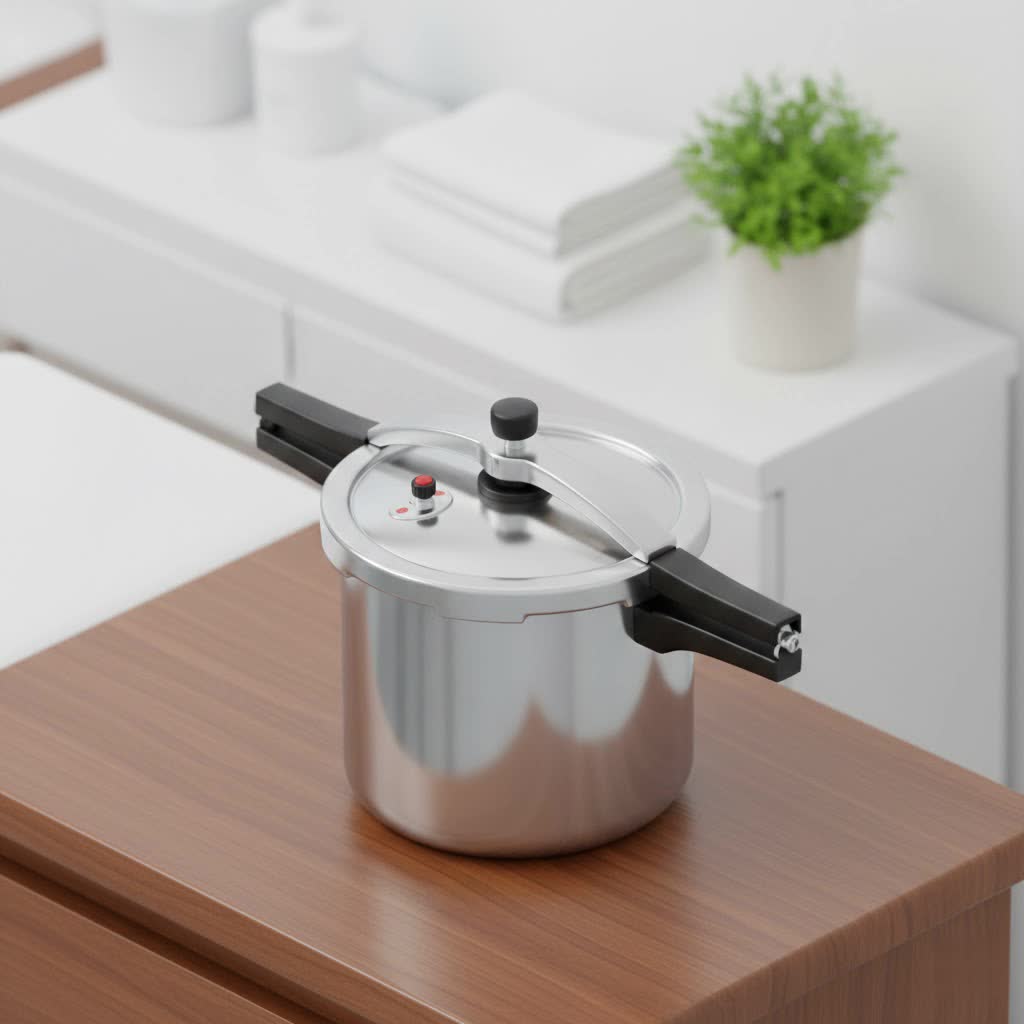
As an expert with over a decade immersed in the world of pressure cookers, from classic stovetop models to advanced electric units, I’ve seen how this kitchen essential transforms countless recipes. Today, we’re diving into a beloved Southern staple: boiled peanuts. What once took hours, even days, can now be achieved in a fraction of the time, delivering that perfectly tender, salty snack right in your kitchen. If you’ve ever craved that authentic roadside stand flavor but lacked the patience, your pressure cooker is about to become your new best friend.
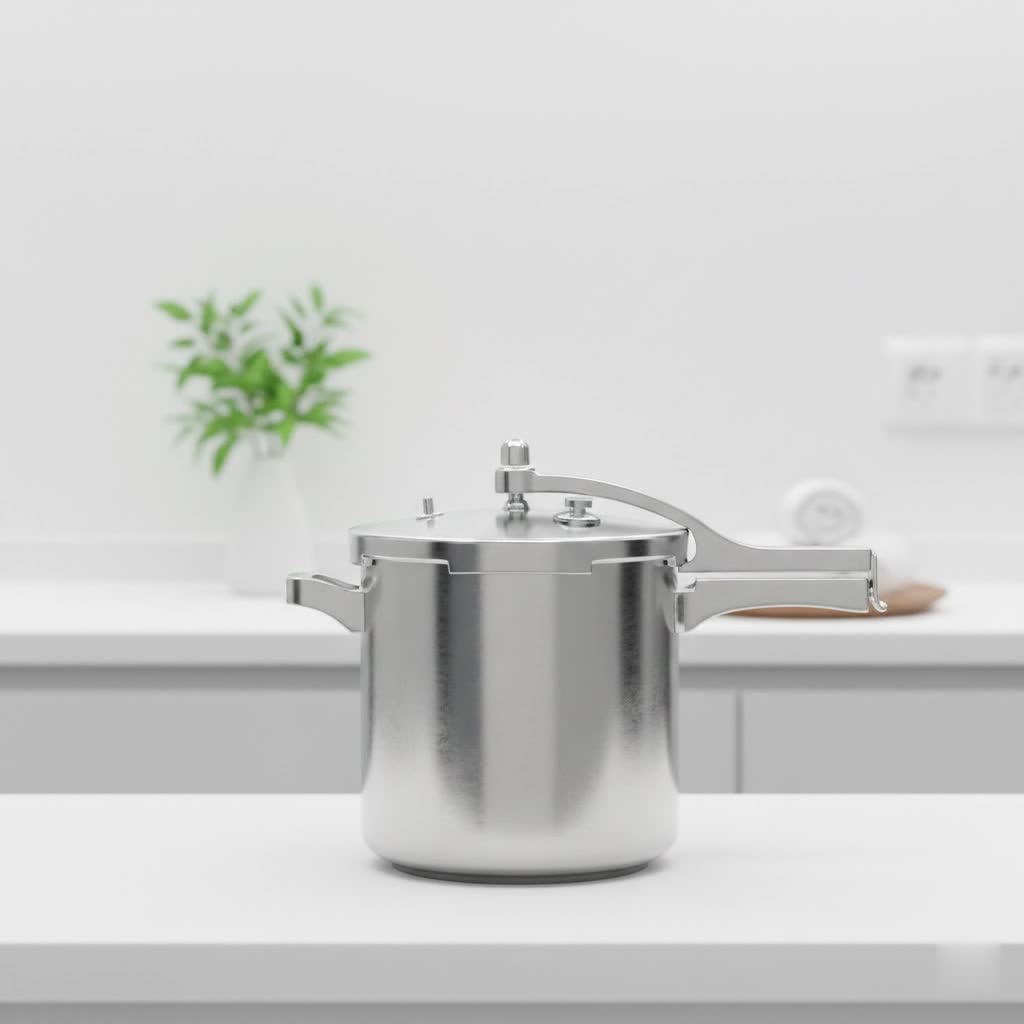
What Are Boiled Peanuts? A Southern Tradition Made Easy
Boiled peanuts are a true culinary icon of the American South. Unlike their roasted or fried counterparts, these peanuts are cooked in their shells until they reach a soft, bean-like consistency, absorbing a rich, salty brine. Traditionally, this process involved hours of simmering in large kettles, making them a slow-food delicacy often enjoyed at festivals, roadside stands, and backyard gatherings.
Why turn to a pressure cooker for such a time-honored tradition? Simply put, efficiency and flavor. A pressure cooker dramatically reduces the cooking time, cutting it down from half a day or more to just an hour or two. Beyond speed, the high-pressure environment forces the salty brine deep into each peanut, ensuring every shell contains a burst of savory goodness that’s hard to achieve with conventional boiling. It’s about bringing that deep, authentic flavor without the wait.
Essential Ingredients for Perfect Pressure Cooker Boiled Peanuts
Crafting the perfect batch of Pressure Cooker Boiled Peanuts starts with selecting the right ingredients. It’s a simple recipe, but quality makes all the difference.
The Right Peanuts: Green vs. Raw/Dried
The type of peanut you choose is crucial for the final texture and cooking time.
- Green Peanuts: These are freshly harvested, un-dried peanuts, still retaining high moisture content. They are generally preferred for boiled peanuts because they cook faster and achieve a wonderfully tender texture. You’ll typically find them seasonally, often at farmers’ markets or some specialty grocery stores, especially in the Southern United States. They feel heavier than dried peanuts.
- Raw/Dried Peanuts: These are peanuts that have been air-dried. They have a longer shelf life and are more widely available year-round. While perfectly suitable for boiling, they will require a longer cooking time in the pressure cooker compared to green peanuts. Some recipes suggest soaking them overnight to help reduce cook time and improve texture.
|
Our Picks for the Best Pressure Cooker in 2026
We may earn a commission when you use one of our links to make a purchase.
|
||
| Num | Product | Action |
|---|---|---|
| 1 | Instant Pot Duo 7-in-1 Electric Pressure Cooker, Slow Cooker, Rice, Steamer, Sauté, Yogurt Maker, Warmer & Sterilizer, Includes App With Over 800 Recipes, Stainless Steel, 6 Quart |

|
| 2 | Fullwill 9-in-1 Electric Pressure Cooker(2025 Upgraded), 12 Presets Instant Multi Cooker, Olla de Presion Nonstick Pot 6 Quarts |
|
| 3 | Presto 01362 6-Quart Stainless Steel Pressure Cooker |
|
| 4 | COSORI Pressure Cooker 6QT, Stainless Steel, 9-in-1 Multi Cooker, 12 Safety Features, Ceramic Inner Pot, Rice, Slow Cook, Sous Vide, Saute, 1100W |
|
| 5 | 18/8 Stainless Steel Pressure Cooker 8 Qt, [One-Hand Locking] Pressure Cooker,[3-In-1] Olla de Presion, Induction,Gas Stovetop Compatible, Includes Glass Lid & Steamer Rack |
|
| 6 | Presto 01264 6-Quart Aluminum Pressure Cooker, Silver |
|
| 7 | Barton Pressure Canner Release Valve Aluminum Canning Pot Cooker Pot Stove Top Instant Fast Cooking Pot Stewing Locking System (8 Quarts) |
|
| 8 | Instant Pot Duo 7-in-1 Electric Pressure Cooker, Slow Cooker, Rice Cooker, Steamer, Sauté, Yogurt Maker, Warmer & Sterilizer, Includes App with Over 800 Recipes, Stainless Steel, 8 Quart |
|
| 9 | 3-In-1 Stainless Steel Pressure Cooker 8 QT: [Save 70% Time] [3 PSI Settings], One-Hand Locking, Induction Compatible, Glass Lid & Steamer Rack Included, Olla de Presion |
|
| 10 | Instant Pot Duo 7-in-1 Mini Electric Pressure Cooker, Slow Rice Cooker, Steamer, Sauté, Yogurt Maker, Warmer & Sterilizer, Includes Free App with over 1900 Recipes, Stainless Steel, 3 Quart |
|
Salt and Water: The Foundation of Flavor
- Salt: This is the primary flavoring agent. Kosher salt is frequently recommended for its clean taste and coarser texture, which helps prevent over-salting. A common ratio is about ½ cup of kosher salt per pound of peanuts. If using fine table salt, reduce the amount by half, as it’s saltier by volume.
- Water: You’ll need enough water to completely submerge the peanuts. Typically, about 8-10 cups of water per pound of peanuts, ensuring you don’t exceed your pressure cooker’s max fill line.
Optional Flavor Enhancers
While classic boiled peanuts are simply salty, you can experiment with other seasonings:
- Spicy: Add red pepper flakes, cayenne pepper, or a good Cajun/Creole seasoning for a kick.
- Tangy: A splash of apple cider vinegar can add a subtle tang.
- Aromatic: For an Asian twist, consider adding star anise, cinnamon sticks, or a few cloves.
Step-by-Step: How to Make Boiled Peanuts in Your Pressure Cooker
Making boiled peanuts in a pressure cooker is surprisingly straightforward. Follow these steps for a delicious outcome.
1. Preparation
Start by thoroughly rinsing your peanuts under cool running water. Peanuts grow underground, so they will invariably come with dirt, small pebbles, or stems clinging to their shells. Gently rub them with your hands to remove any debris. Discard any visibly damaged or empty shells.
2. Loading the Pressure Cooker
Place the cleaned peanuts into the inner pot of your pressure cooker. Add the salt and any desired additional seasonings. Pour in enough water to completely cover the peanuts. As a rule of thumb, ensure the water level is at least one inch above the peanuts.
Expert Tip: Peanuts tend to float during cooking. To ensure even cooking and thorough flavor absorption, use a heat-proof trivet or a stainless steel steamer basket placed upside down on top of the peanuts. This will help weigh them down and keep them submerged in the brine.
3. Cook Settings & Time
Secure the lid on your pressure cooker and ensure the vent is set to “sealing.”
- High Pressure: Cook on high pressure.
- Cooking Time: This is the most variable part and depends heavily on the type of peanuts and your desired softness.
- Green Peanuts: Typically, 60-75 minutes is sufficient for tender green peanuts. Some prefer 75 minutes for a softer result.
- Raw/Dried Peanuts: These require longer, usually between 90 minutes to 2 hours. If you’ve soaked them overnight, 75-90 minutes might suffice.
“From my experience testing countless batches, the true magic of boiled peanuts happens when they’re cooked just long enough to be perfectly tender, not mushy. For dried peanuts, that extra 30-45 minutes in the pressure cooker makes all the difference.” – Admin, Reviewmylp.com
4. Pressure Release
Once the cooking cycle is complete, allow for a Natural Pressure Release (NPR). This means letting the pressure dissipate on its own without manually venting. NPR is crucial for boiled peanuts as it allows the peanuts to slowly absorb more of the salty brine as the cooker cools, resulting in deeper flavor and softer texture. This process can take 15-30 minutes or longer, depending on your cooker’s size.
Customizing Your Boiled Peanuts: Flavor Variations
While a classic salty boiled peanut is a taste of heaven, don’t hesitate to personalize your batch. The pressure cooker is excellent at infusing flavors.
- Classic Salty: Simply salt and water. This allows the natural, earthy flavor of the peanuts to shine through, complemented by a perfect brininess.
- Spicy Southern Kick: For those who love a bit of heat, add 1-2 tablespoons of red pepper flakes or a generous amount of Cajun or Creole seasoning to the pot along with the salt. You can also include a few sliced jalapeños for fresh pepper flavor.
- Garlic & Herb Infusion: Toss in a few smashed garlic cloves and a sprig of fresh rosemary or thyme for an aromatic twist that elevates the savory notes.
- Asian-Inspired Delights: Experiment with flavors like star anise, a cinnamon stick, a few cloves, and a dash of soy sauce for a uniquely savory and fragrant snack, reminiscent of street food in other parts of the world.
Troubleshooting Common Boiled Peanut Issues
Even with a pressure cooker, you might encounter a few hiccups. Here’s how to address them:
- Peanuts Not Soft Enough: This is the most common issue, especially with dried raw peanuts. The solution is simple: cook longer! If your peanuts are still crunchy, seal the lid and cook for an additional 15-30 minutes at high pressure, followed by another natural release. For raw peanuts, remember that overnight soaking can significantly improve softness and reduce initial cook time.
- Not Salty Enough: The saltiness deepens as the peanuts sit in the brine. If they’re still bland after cooking, let them soak in the warm brine for several hours or even overnight in the refrigerator. The longer they sit, the more flavor they absorb. You can also adjust your salt ratio for future batches.
- Peanuts Floating Excessively: While some floating is normal, too much means uneven cooking. Ensure you’re using a trivet or heavy steamer basket to weigh them down, keeping most of the peanuts submerged throughout the cooking process.
Serving and Storing Your Homemade Boiled Peanuts
Once your pressure cooker boiled peanuts are perfectly cooked, soft, and flavorful, it’s time to enjoy them!
Boiled peanuts are best served warm, allowing their steamy, salty aroma to fill the air. Many aficionados also enjoy them at room temperature or even chilled straight from the refrigerator. For a truly Southern experience, serve them in a paper bag or a simple bowl, perhaps alongside a cold beverage.
For storage, drain any excess cooking liquid if you prefer, or store them in some of their brine to maintain moisture and flavor. Transfer the peanuts to an airtight container or a resealable bag. They will keep fresh in the refrigerator for up to one week.
Can you freeze boiled peanuts? Absolutely! Boiled peanuts freeze exceptionally well. Once cooled, package them in freezer-safe bags or containers, either with a small amount of their cooking liquid or completely drained. They can be frozen for 6 to 12 months, with some sources suggesting they keep indefinitely. To reheat, simply thaw them and warm them up on the stovetop, in the microwave, or even back in your pressure cooker for a few minutes until heated through.
Expert Tips for the Best Pressure Cooker Boiled Peanuts
Having experimented with countless recipes, here are my top tips for achieving boiled peanut perfection:
- “For maximum flavor, resist the urge to drain them immediately. Letting boiled peanuts steep in their salty brine for an extra hour or two, or even overnight in the fridge, allows the flavors to deepen significantly. It’s a game-changer!” – Admin, Reviewmylp.com
- Personalize Your Softness: The ideal cook time is subjective. Start with the recommended times, then adjust in future batches based on your preference for tenderness. Some like a firmer bite, while others prefer them melt-in-your-mouth soft.
- Don’t Overcrowd: While tempting to fill your pressure cooker to the brim, avoid overfilling. Leave enough space for the water to circulate and the pressure to build efficiently. Adhering to the max fill line is crucial for safety and performance.
- Salt is Key: Use enough salt! It’s not just for flavor; it helps tenderize the peanuts. If you’re unsure, it’s better to slightly over-salt and then allow them to soak for a longer period, letting them absorb just the right amount.
Buying Guide: Final Advice When Choosing Peanuts
To get started on your boiled peanut journey, keep these points in mind when purchasing peanuts:
- Identify Your Type: Green peanuts are best when in season, but dried raw peanuts are a fantastic year-round alternative. Know which you are buying, as it impacts cook time.
- Check Freshness: Regardless of type, ensure the peanuts look fresh, without signs of mold or excessive damage. If buying dried, check the “best by” date.
- Source: Local farmers’ markets are excellent for green peanuts. For raw peanuts, check bulk bins at grocery stores, online specialty retailers, or even Asian markets, which often carry good quality raw peanuts.
Conclusion
The joy of perfectly boiled peanuts is a quintessential Southern experience, and thanks to the modern pressure cooker, it’s more accessible than ever. By harnessing the power of high pressure, you can transform simple raw peanuts into a tender, salty, and incredibly addictive snack in just a fraction of the traditional time. Whether you prefer them classic, spicy, or with an exotic twist, your pressure cooker ensures a deeply infused flavor and ideal texture every time.
So, are you ready to unlock the magic of pressure cooker boiled peanuts and savor this Southern delight in your own home? The aroma alone is worth the journey!
Frequently Asked Questions
What are “green peanuts” and why are they recommended for boiling?
Green peanuts are freshly harvested, raw peanuts that have not been dried. They contain a higher moisture content than dried raw peanuts, which allows them to cook faster and achieve a more tender, succulent texture, making them ideal for boiling.
Can I use dried raw peanuts instead of green peanuts?
Yes, absolutely! You can use dried raw peanuts for boiling, but they will require a longer cooking time in your pressure cooker, typically 90 minutes to 2 hours, compared to green peanuts. Soaking them overnight before boiling can help reduce the cooking duration and improve softness.
How long do boiled peanuts last, and how should I store them?
Boiled peanuts can be stored in an airtight container in the refrigerator for up to one week. For longer storage, they can be frozen in freezer-safe bags or containers for 6 to 12 months, either with or without a small amount of their cooking brine.
What if my boiled peanuts aren’t salty enough?
If your boiled peanuts lack saltiness after cooking, don’t worry! Allow them to continue soaking in the hot or cooling brine for several hours, or even overnight in the refrigerator. The longer they sit, the more salt and flavor they will absorb.