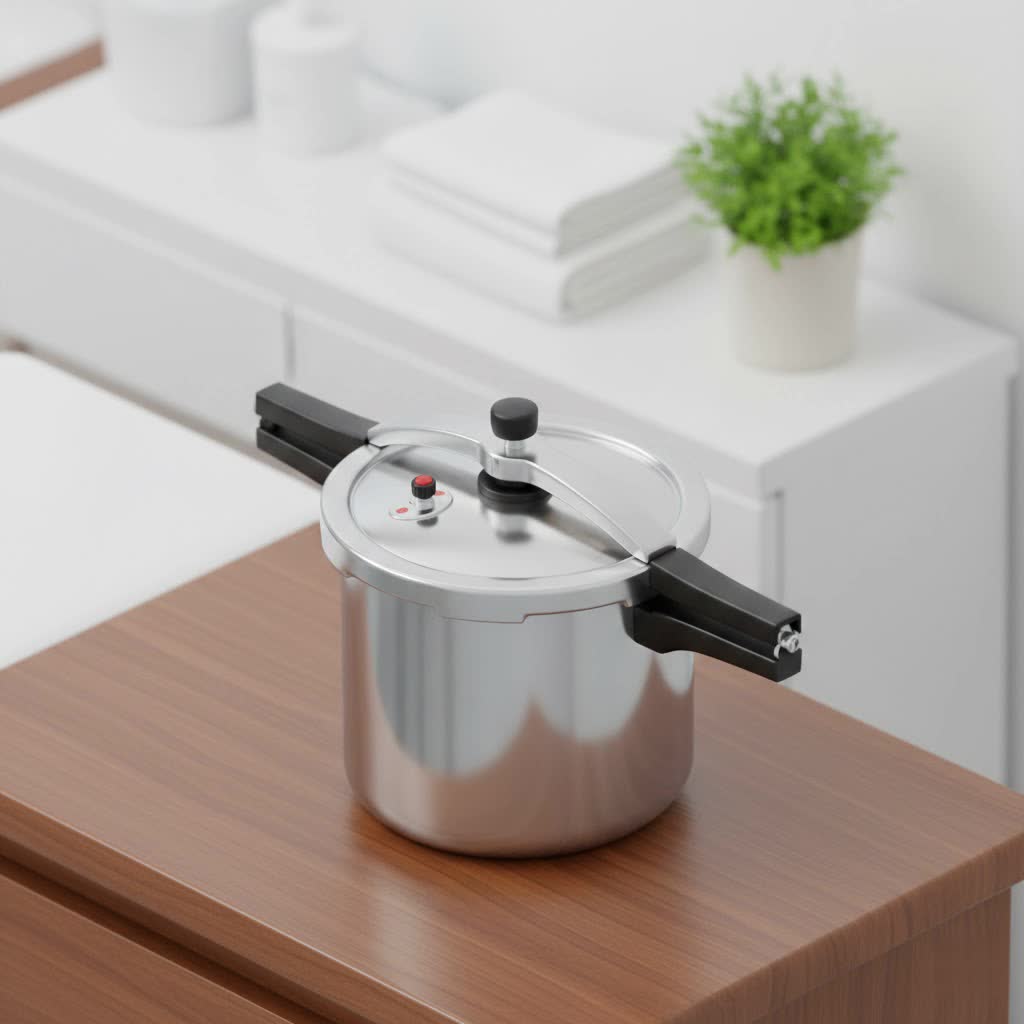
In today’s fast-paced world, finding ways to prepare healthy, delicious meals efficiently is a top priority for many home cooks. A stainless steel pressure cooker stands out as a powerful solution, transforming your cooking experience by significantly cutting down on time while locking in flavors and nutrients. This comprehensive guide will walk you through everything you need to know about stainless steel pressure cookers, from understanding their benefits to choosing the perfect model for your kitchen.
What is a Stainless Steel Pressure Cooker and Why Do You Need One?
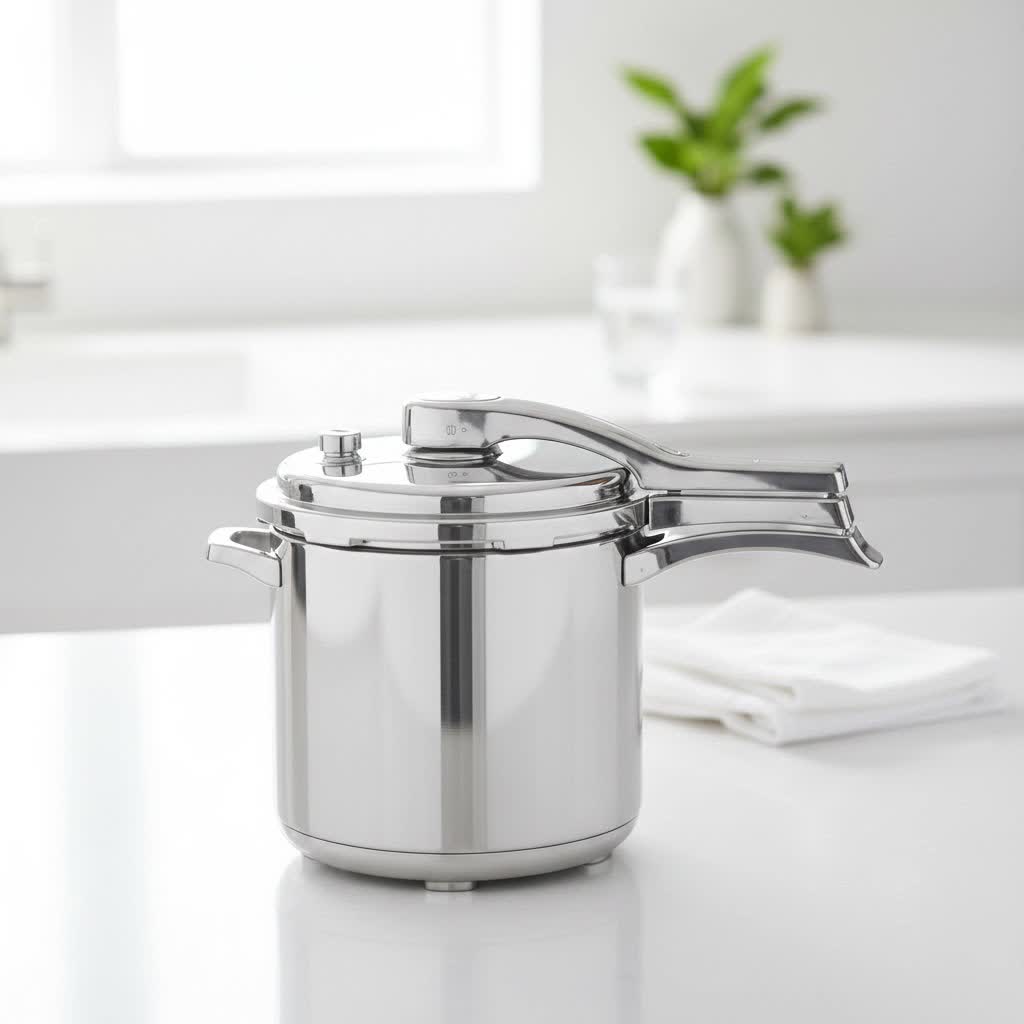
A pressure cooker is a sealed pot that cooks food quickly by creating steam pressure inside, which raises the boiling point of water and cooks food at higher temperatures than conventional methods. When this essential kitchen tool is crafted from stainless steel, it offers a superior cooking experience.
The core benefit of using a pressure cooker is remarkable speed. Dishes that typically take hours, like stews, tough cuts of meat, or beans, can be ready in a fraction of the time. Beyond speed, pressure cooking also helps retain more vitamins and minerals in your food, as less liquid is used and exposure to air is minimized, preventing nutrient oxidation. Stainless steel models further enhance these advantages with their inherent durability, resistance to corrosion, and non-reactive surface, meaning they won’t leach metals into your food or react with acidic ingredients. This makes them a healthier and more reliable choice for everyday cooking.
Stainless steel pressure cookers come in two primary types: stovetop and electric. Stovetop models are traditional, relying on your range’s heat source. They are often simpler in design and built to last for decades. Electric pressure cookers, often called multi-cookers, are plug-in appliances with built-in heating elements and smart programming. They offer incredible versatility, functioning as slow cookers, rice makers, steamers, sauté pans, and even yogurt makers, all in one convenient device.
Key Criteria for Choosing the Best Stainless Steel Pressure Cooker
Selecting the right stainless steel pressure cooker can seem daunting with the array of options available. Consider these crucial factors to ensure you pick a model that perfectly suits your cooking habits and household needs.
Capacity
The size of your pressure cooker should align with your family size and typical cooking volume.
- 2-3 liters: Ideal for individuals or couples, perfect for small batches of rice, single servings, or quick side dishes.
- 5-6 liters: The most popular size for average families (3-4 people), versatile enough for most daily meals like stews, curries, and roasts.
- 8+ liters: Best for larger families (5+ people), meal prepping, batch cooking, or canning.
|
Our Picks for the Best Pressure Cooker in 2026
We may earn a commission when you use one of our links to make a purchase.
|
||
| Num | Product | Action |
|---|---|---|
| 1 | 18/8 Stainless Steel Pressure Cooker 8 Qt, [One-Hand Locking] Pressure Cooker,[3-In-1] Olla de Presion, Induction,Gas Stovetop Compatible, Includes Glass Lid & Steamer Rack |
![Check 18/8 Stainless Steel Pressure Cooker 8 Qt, [One-Hand Locking] Pressure Cooker,[3-In-1] Olla de Presion, Induction,Gas Stovetop Compatible, Includes Glass Lid & Steamer Rack on Amazon](https://reviewmylp.com/wp-content/plugins/amazon-tables/assets/images/buy.png)
|
| 2 | Presto 01362 6-Quart Stainless Steel Pressure Cooker |
|
| 3 | Instant Pot Duo 7-in-1 Mini Electric Pressure Cooker, Slow Rice Cooker, Steamer, Sauté, Yogurt Maker, Warmer & Sterilizer, Includes Free App with over 1900 Recipes, Stainless Steel, 3 Quart |
|
| 4 | Presto 01264 6-Quart Aluminum Pressure Cooker, Silver |
|
| 5 | Fullwill 9-in-1 Electric Pressure Cooker(2025 Upgraded), 12 Presets Instant Multi Cooker, Olla de Presion Nonstick Pot 6 Quarts |
|
| 6 | Barton Pressure Canner Release Valve Aluminum Canning Pot Cooker Pot Stove Top Instant Fast Cooking Pot Stewing Locking System (8 Quarts) |
|
| 7 | 3-In-1 Stainless Steel Pressure Cooker 8 QT: [Save 70% Time] [3 PSI Settings], One-Hand Locking, Induction Compatible, Glass Lid & Steamer Rack Included, Olla de Presion |
|
| 8 | Instant Pot Duo 7-in-1 Electric Pressure Cooker, Slow Cooker, Rice Cooker, Steamer, Sauté, Yogurt Maker, Warmer & Sterilizer, Includes App with Over 800 Recipes, Stainless Steel, 8 Quart |
|
| 9 | Instant Pot Duo 7-in-1 Electric Pressure Cooker, Slow Cooker, Rice, Steamer, Sauté, Yogurt Maker, Warmer & Sterilizer, Includes App With Over 800 Recipes, Stainless Steel, 6 Quart |
|
| 10 | COSORI Pressure Cooker 6QT, Stainless Steel, 9-in-1 Multi Cooker, 12 Safety Features, Ceramic Inner Pot, Rice, Slow Cook, Sous Vide, Saute, 1100W |
|
Material Quality
While all are “stainless steel,” quality can vary significantly. Look for models made with 18/8 or 18/10 food-grade stainless steel (referring to 18% chromium and 8% or 10% nickel content, respectively), which offers excellent corrosion resistance and durability. Many high-quality stainless steel pressure cookers feature a “tri-ply” or “sandwich” bottom construction. This design incorporates a layer of aluminum or copper between two layers of stainless steel, combining the best properties of each metal: the rapid and even heat distribution of aluminum/copper with the non-reactive and durable benefits of stainless steel. This prevents hot spots and ensures food cooks uniformly.
Safety Features
Modern stainless steel pressure cookers are engineered with multiple safety mechanisms, making them far safer than older models. Essential features include:
- Automatic Pressure Release Valve: Prevents excessive pressure buildup by releasing steam.
- Safety Lock/Lid Indicator: Ensures the lid is securely closed before pressure builds and prevents opening until pressure is safely released.
- Temperature Sensor (Electric Models): Prevents overheating by regulating the internal temperature.
- Anti-Burst Protection: Designed to safely contain any extreme pressure, preventing structural failure.
- Gasket Release System: A common feature where the gasket deforms to release pressure if other safety mechanisms fail.
Stovetop vs. Electric
Your cooking style will dictate the best type for you:
- Stovetop Models: Require direct heat from your range. They are generally more robust, often heat up faster once on high heat, and are ideal for those who prefer manual control and a durable, long-lasting appliance. Ensure it’s compatible with your stovetop (gas, electric, ceramic, or induction-ready if you have an induction cooktop).
- Electric Multi-Cookers: Offer convenience with preset programs, digital displays, and often a “keep warm” function. They are perfect for hands-off cooking and for those who appreciate the versatility of multiple appliances in one.
Additional Features
Depending on the type, look for features that enhance usability:
- Digital Displays and Presets (Electric): Make operation intuitive and simplify cooking various dishes.
- Sauté Function (Electric): Allows browning ingredients directly in the pot before pressure cooking, minimizing extra dishes.
- Easy Pressure Release Valves: Some stovetop models offer mechanisms that make releasing steam simpler and safer than older designs.
- Dishwasher-Safe Components: Simplifies cleanup, though handwashing is always recommended for prolonging gasket life.
Stainless Steel vs. Aluminum Pressure Cookers: A Head-to-Head Comparison
The choice between stainless steel and aluminum pressure cookers is a common dilemma. While both materials serve the same basic function, their properties lead to distinct advantages and disadvantages.
| Feature | Stainless Steel Pressure Cooker | Aluminum Pressure Cooker |
|---|---|---|
| Durability | Highly durable, resistant to dents, scratches, and warping; lasts longer. | Softer metal, prone to dents and scratches; may distort shape over time. |
| Health/Reactivity | Non-reactive with acidic or salty foods; no leaching of metals. | Can react with acidic/salty foods, potentially leaching aluminum into food. (Hard-anodized aluminum reduces this risk) |
| Heat Conductivity | Moderate; takes longer to heat up but retains heat well (tri-ply improves this). | Excellent; heats up quickly and evenly. |
| Weight | Heavier, especially larger models. | Lighter and easier to handle. |
| Maintenance/Cleaning | Easy to clean, resistant to stains, often dishwasher-safe. | Can discolor and develop an oxide coating, requiring more effort to clean; generally not dishwasher-safe. |
| Cost | Higher initial investment. | More affordable. |
| Induction Compatibility | Most modern stainless steel models are induction-ready. | Often not induction compatible unless specifically designed with a magnetic base. |
Stainless steel pressure cookers are often considered the superior choice for long-term health, durability, and ease of maintenance, despite their higher upfront cost and slightly longer initial heating time. Their non-reactive nature ensures safe cooking for all types of ingredients, a significant advantage over traditional aluminum.
Top Stainless Steel Pressure Cooker Brands and Models
The market offers a wide range of reputable stainless steel pressure cooker brands, each with unique strengths.
- Instant Pot: A dominant player in the electric multi-cooker space. Models like the Instant Pot Pro or Duo Plus are highly popular, offering a multitude of functions (pressure cook, slow cook, sauté, steam, yogurt, etc.), customizable settings, and intuitive digital interfaces. They are excellent for versatile home cooks.
- Presto: Known for reliable stovetop pressure cookers and canners. The Presto Stainless Steel Pressure Cooker with a tri-clad base offers sturdy construction and consistent performance. They also offer electric canners.
- T-fal: The T-fal Clipso Pressure Cooker is a popular stovetop choice, lauded for its simple one-hand opening/closing mechanism and durable stainless steel construction, often with a heavy, flat bottom for even searing.
- Kuhn Rikon: A premium brand for stovetop pressure cookers, recognized for exceptional build quality, advanced safety features, and quiet operation. Their Duromatic Neo series is a top pick for those seeking high-end performance.
- Prestige: A well-known brand, particularly in some markets, offering various stainless steel models in different capacities and lid types, focusing on safety and efficiency for everyday cooking.
- Cosori Electric Pressure Cooker: Often praised for its stylish design, intuitive controls, and competitive pricing, offering excellent functionality without breaking the bank.
- MegaChef Stainless Steel Pressure Cooker: These electric models often come with numerous presets and glass lids, providing good value and convenience for batch cooking.
When reviewing specific products, always consider user feedback on performance, durability, and ease of cleaning, alongside the features that matter most to your culinary needs.
How to Safely Use and Maintain Your Stainless Steel Pressure Cooker
To ensure your stainless steel pressure cooker performs optimally and safely for years, proper usage and maintenance are crucial.
Safe and Effective Usage
- Read the Manual: Always begin by reading your specific model’s instruction manual.
- Inspect Before Use: Before each use, check the lid, gasket (sealing ring), and all pressure valves to ensure they are clean, free of debris, and properly seated. A worn or damaged gasket can prevent the cooker from building pressure.
- Filling Limits: Never fill your pressure cooker more than two-thirds full with food, and no more than half full for foods that expand (like beans, grains, or rice). Overfilling can block the steam vent.
- Secure the Lid: Ensure the lid is correctly aligned and locked into place before heating. Modern models have visual or audible indicators for proper sealing.
- Proper Depressurization: Always follow the recommended depressurization method for your recipe (natural release, quick release, or cold water release for stovetop models). Never force the lid open while pressure is still inside. The safety lock will prevent this anyway, but it’s important to be aware of the internal pressure.
Cleaning and Storage
Stainless steel pressure cookers are generally easier to clean than their aluminum counterparts.
- After Each Use: Wash the inner pot, lid, and gasket with warm, soapy water. Most stainless steel inner pots are dishwasher-safe, but always confirm with your manual.
- Gasket Care: Remove the gasket for thorough cleaning and allow it to dry completely before reinserting. Store the gasket loosely or inverted if possible to prevent it from losing its elasticity, which can affect the seal over time.
- Valve Cleaning: Ensure all pressure release valves and vents are clear of food particles. Use a small brush or toothpick if necessary.
- Avoid Abrasives: While durable, avoid steel wool or harsh abrasive cleaners on the exterior to maintain the polished finish.
- Storage: Store your pressure cooker in a dry place. If storing the lid separately or inverted, it helps prevent odor buildup.
Where to Buy and Price Considerations
Stainless steel pressure cookers are widely available, both online and in physical stores, making it convenient to find one that fits your budget and preferences.
Reputable Buying Channels
- Online Retailers: Websites like Amazon, Target, Walmart, and specialized kitchenware e-commerce sites offer the widest selection, competitive pricing, and user reviews.
- Electronics Superstores: Stores like Best Buy often carry electric multi-cookers, especially popular Instant Pot models.
- Home Goods Stores: Retailers specializing in kitchen and home essentials often stock both stovetop and electric pressure cookers.
- Brand Websites: Purchasing directly from the manufacturer’s website can sometimes offer exclusive deals or extended warranties.
Price Segmentation
The cost of a stainless steel pressure cooker can vary significantly based on its type, capacity, brand, and features.
- Budget-Friendly ($50-$100): You can find basic stovetop models and smaller electric multi-cookers from less-known brands or entry-level models from popular brands.
- Mid-Range ($100-$200): This segment includes a wide array of popular electric multi-cookers (like many Instant Pot models) and well-regarded stovetop options with good quality and features.
- High-End ($200+): This category typically features premium stovetop pressure cookers with advanced engineering (e.g., Kuhn Rikon), larger capacity electric canners, or multi-cookers with extensive smart features and higher power.
Always compare prices across different retailers and look for sales or bundles, especially during holiday seasons.
Buying Guide: Expert Advice for Your Perfect Pressure Cooker
As a technician with over a decade of hands-on experience with pressure cookers, I’ve seen hundreds of models and understood what truly makes a difference in your kitchen. Here’s my concise advice for making an informed purchase:
First, honestly assess your needs. Are you cooking for one or a large family? Do you prioritize speed above all, or do you want a versatile appliance that can do it all? This will guide your decision on capacity and whether to opt for a stovetop or electric model. Next, always prioritize safety features. Modern pressure cookers are incredibly safe, but ensure the model you choose has reliable automatic pressure release, a secure lid lock, and appropriate certifications. Thirdly, don’t underestimate the value of material quality. While a basic stainless steel model is good, a tri-ply base significantly enhances cooking performance and evenness, making it a worthwhile investment. Finally, read reviews from other users. Real-world experiences often highlight practical pros and cons that specifications alone might miss. Don’t just look at the overall rating; dig into comments about specific features, cleaning, and customer service. Choosing a reputable brand with a good warranty will give you peace of mind.
“A great stainless steel pressure cooker isn’t just a gadget; it’s an investment in healthier, faster, and more enjoyable cooking for your family.” – Admin, Reviewmylp.com, Pressure Cooker Specialist with 10+ Years Experience
Conclusion
A stainless steel pressure cooker is more than just a kitchen appliance; it’s a culinary game-changer that empowers you to create nourishing meals with unprecedented speed and ease. Its durability, non-reactive nature, and efficient cooking capabilities make it an indispensable tool for any modern kitchen. By carefully considering capacity, material quality, safety features, and the distinction between stovetop and electric models, you can confidently select the perfect stainless steel pressure cooker to elevate your home cooking. Make an informed choice today and transform your daily meals from a chore into a delight.
What delicious dishes will you create first with your new stainless steel pressure cooker?
Frequently Asked Questions
Is a stainless steel pressure cooker truly safe to use?
Yes, modern stainless steel pressure cookers are very safe due to multiple built-in safety mechanisms like automatic pressure release valves, safety lid locks, and temperature sensors. As long as you follow the manufacturer’s instructions for operation and maintenance, you can use them with confidence.
Can I use my stainless steel pressure cooker on an induction stovetop?
Many contemporary stainless steel pressure cookers are designed with a magnetic base, making them fully compatible with induction cooktops. Always check the product specifications or look for an “induction compatible” symbol to confirm before purchasing.
How long do stainless steel pressure cookers typically last?
With proper care and maintenance, a high-quality stainless steel pressure cooker can last for 15 to 20 years or even longer. Their robust construction and resistance to corrosion contribute significantly to their longevity, offering excellent long-term value.
What is “tri-ply” stainless steel construction?
“Tri-ply” refers to a construction method where a layer of aluminum or copper is sandwiched between two layers of stainless steel, usually in the base of the cooker. This design leverages aluminum’s excellent heat conductivity for even heating while retaining stainless steel’s non-reactive and durable properties.
How much liquid do I need to add to a pressure cooker?
Generally, you need at least 1/2 to 1 cup of liquid (water, broth, etc.) in a pressure cooker for it to build sufficient steam and pressure. Always consult your specific recipe and the pressure cooker’s manual for exact liquid requirements to ensure safe and effective cooking.